Edward Snowden, who leaked thousands of classified NSA documents in May 2013, has lived in Russia since receiving temporary asylum in August 2013 after his passport was revoked in Moscow. Charged under the Espionage Act, he has not been tried and later obtained Russian permanent residency (2020) and citizenship (2022). Snowden married Lindsay Mills in Russia and they have two sons. His disclosures produced major policy debates and reforms, notable economic effects for some U.S. tech firms, and an enduring global discussion about privacy and surveillance.
Where Is Edward Snowden Now? Life, Exile and Legacy 13 Years After the Leaks
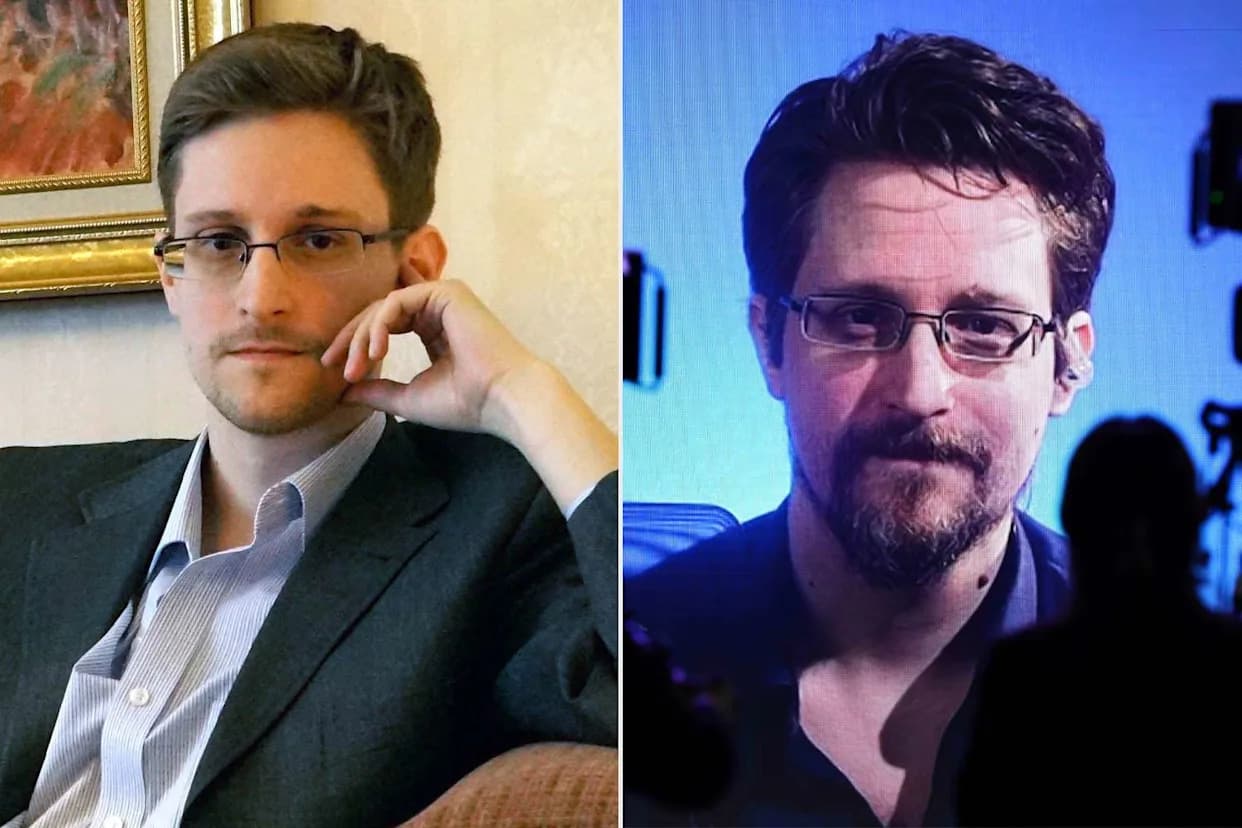
Edward Snowden in December 2013 in Moscow, Russia. ; Edward Snowden speaks remotely at the Token2049 conference in Singapore on September 18, 2024Credit: Barton Gellman/Getty; Suhaimi Abdullah/Bloomberg via Getty
Edward Snowden — the former contractor whose 2013 disclosures exposed sweeping U.S. surveillance programs — remains one of the most polarizing figures in recent intelligence history. Thirteen years after the leaks, he lives in Russia with his family, continues public advocacy about privacy and technology, and remains charged under U.S. law.
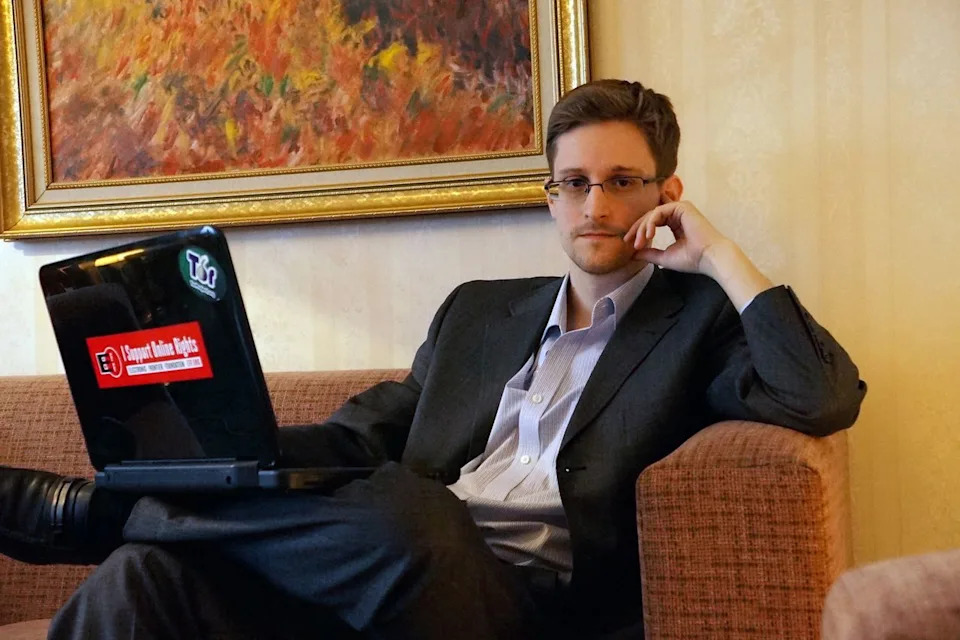
Edward Snowden in December 2013 in Moscow, RussiaCredit: Barton Gellman/Getty
From Intelligence Contractor To Whistleblower
Born June 21, 1983, in suburban Maryland, Snowden followed a family tradition of public service. He volunteered for the Army Special Forces in 2004 but left after a training injury. He later worked at the CIA, served in technical roles in Geneva, and took private-sector contracting positions with Dell and Booz Allen Hamilton that placed him at NSA facilities in Hawaii and at Yokota Air Base near Tokyo.
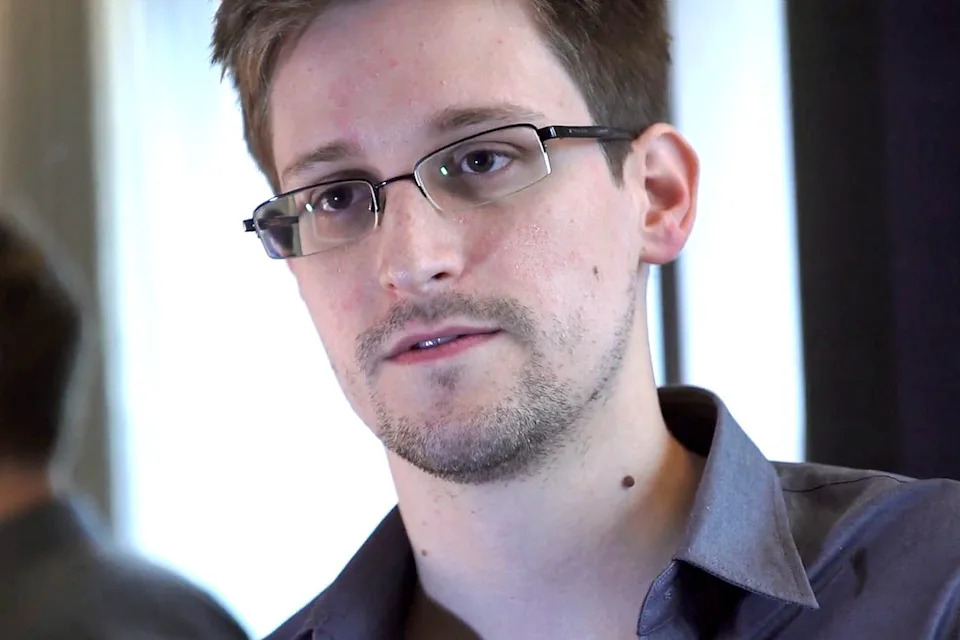
Edward Snowden in 2013Credit: The Guardian via Getty
What He Revealed
In May 2013, Snowden provided journalists with tens of thousands of classified documents that detailed how U.S. intelligence agencies collected communications and metadata on a massive scale. He said he acted because he believed the programs violated privacy and the Fourth Amendment. His disclosures sparked global debate about surveillance, civil liberties and government secrecy.
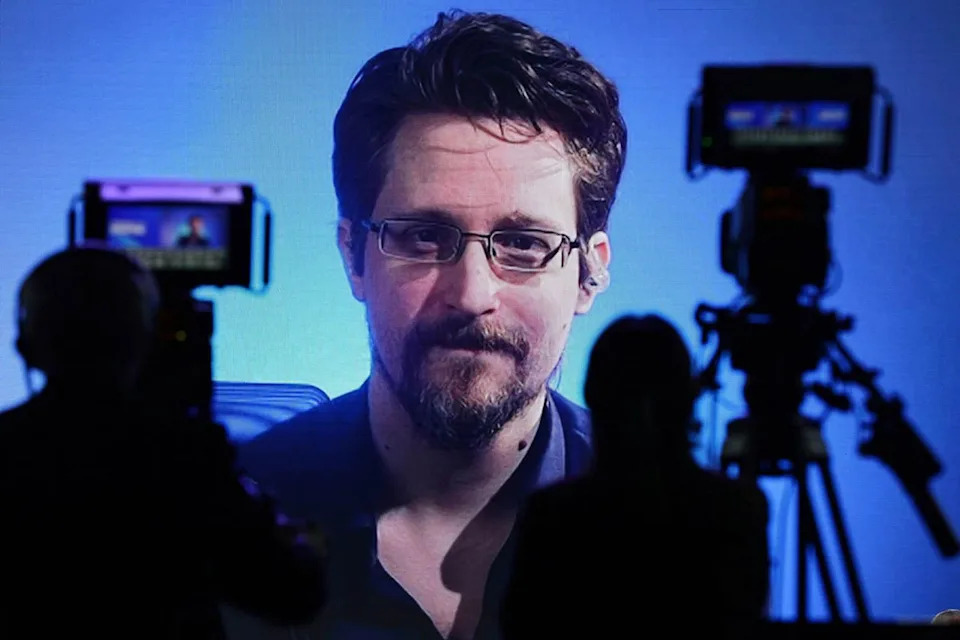
Edward Snowden speaks remotely at the Token2049 conference in Singapore on September 18, 2024Credit: Suhaimi Abdullah/Bloomberg via Getty
“I’m willing to sacrifice all of that because I can’t in good conscience allow the U.S. government to destroy privacy, internet freedom and basic liberties…” — Snowden, June 2013
Legal Consequences And Exile
On June 14, 2013, U.S. federal prosecutors charged Snowden under the Espionage Act of 1917 with theft and the unauthorized disclosure of national defense information. After leaving Hong Kong for Moscow on June 23, 2013, his U.S. passport was revoked, and he spent roughly 40 days in the airport before receiving temporary asylum in Russia on August 1, 2013. Russian authorities have declined to extradite him.
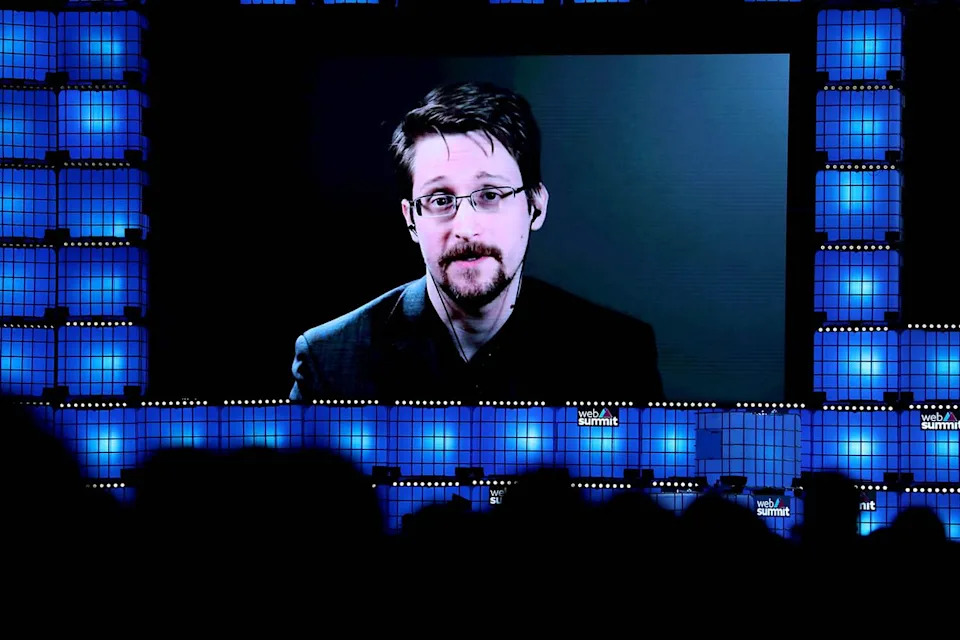
Edward Snowden speaks remotely during the annual Web Summit technology conference in Lisbon, Portugal on November 4, 2019Credit: Pedro Fiúza/NurPhoto via Getty
Life In Russia
Snowden obtained permanent residency in Russia in 2020 and Russian citizenship in 2022. His longtime partner, Lindsay Mills, joined him in 2014; the couple quietly married in 2017 and have two sons (born in 2020 and 2022). Snowden has described aspects of life in Russia positively while asking for privacy for his family.
Work, Writings And Public Presence
While living abroad Snowden published his memoir, Permanent Record, in September 2019 and has continued to appear virtually at technology and policy events around the world. He regularly speaks about privacy, encryption, AI and surveillance policy, participating in conferences and media interviews.
Impact And Legacy
Snowden’s disclosures had political, economic and legal consequences. They prompted legislative reforms — notably the USA Freedom Act in 2015, which curtailed bulk phone-data collection and increased transparency — and contributed to court rulings that limited certain surveillance practices. The revelations also prompted U.S. technology companies to change practices and reportedly influenced international business relationships and costs for some firms; government agencies spent substantial resources to respond to the fallout.
What About A Pardon?
Talk of a presidential pardon has surfaced intermittently. Former President Donald Trump said he considered clemency for Snowden during his first term, and discussions resumed after the 2024 election, with some public figures voicing support for a pardon. Snowden has said he would be willing to accept prison time if it served a broader purpose, but he refuses to plead guilty to charges he views as politically motivated.
Where He Stands Today
Thirteen years on, Snowden remains in Russia with permanent resident status and citizenship. He continues to be an active voice on privacy and technology issues, primarily through remote appearances, writing and interviews. His actions reshaped public debate about surveillance, government authority and digital rights — and that debate is ongoing.
Help us improve.