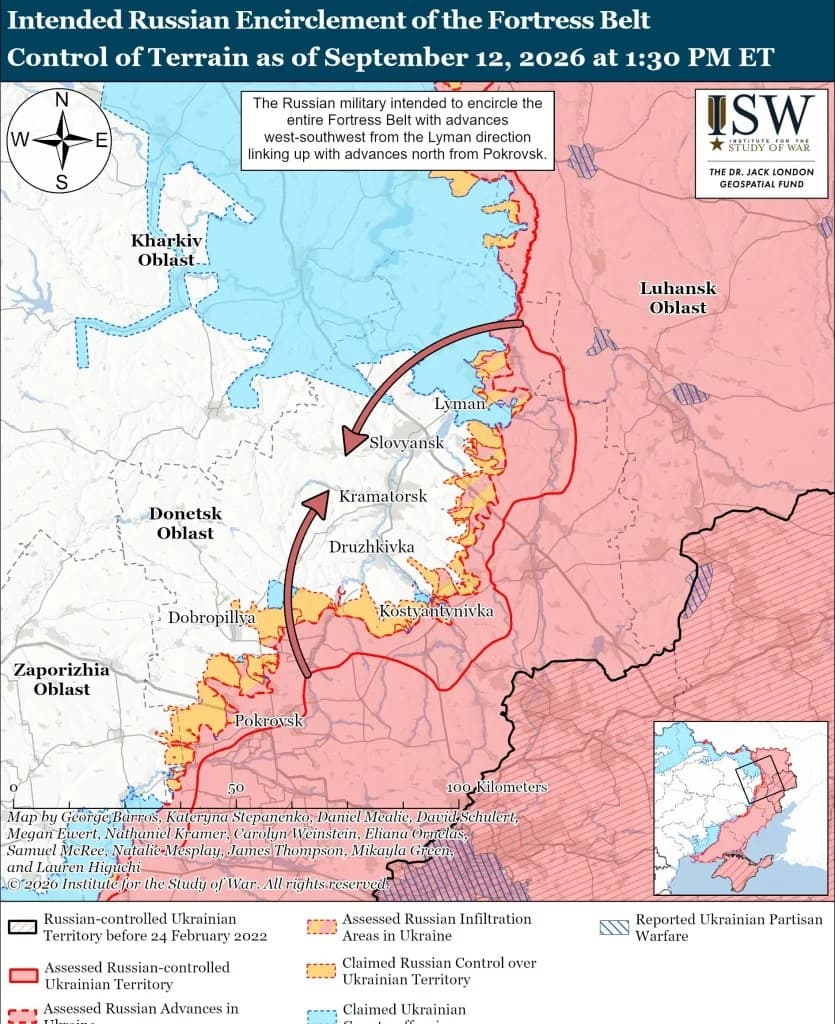
The war in Ukraine has entered its fifth summer with concentrated fighting and heightened strikes. Russian forces are focusing on capturing Kostyantynivka, a largely destroyed city that stands between them and Kramatorsk and Sloviansk. Kyiv has intensified long-range attacks on Russian refineries, military targets and supply routes, while strikes on bridges and roads have increasingly disrupted Crimea's links to Russia. Analysts warn that these attacks on ground lines of communication could have cascading effects on future Russian operations.
Ukraine War Enters Fifth Summer: Kostyantynivka Besieged as Kyiv Strikes Deep Into Russian Supply Lines
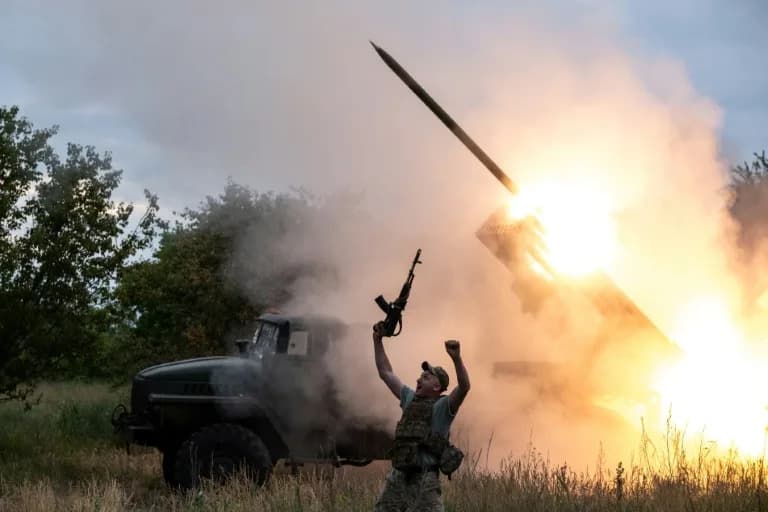
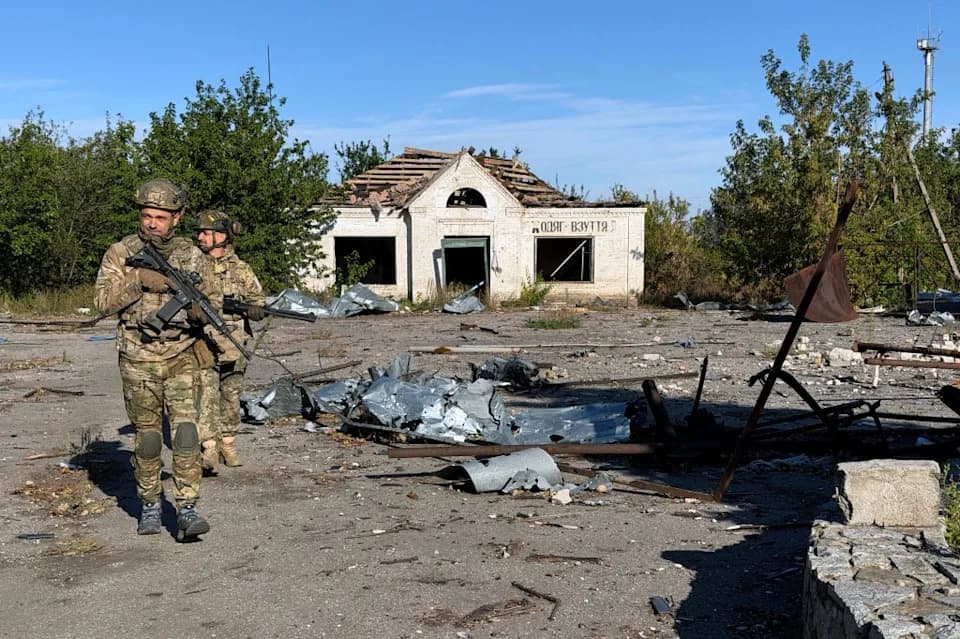
Ukraine does "not have enough people" to contain the pressure on Kostyantynivka, DeepState said (Iryna Rybakova)(Iryna Rybakova/The 93rd Kholodnyi Yar Separate Mechanized Brigade/AFP)
As the war in Ukraine moves into its fifth summer, fighting remains focused and strategically consequential: Russia presses to capture key towns while Ukraine pushes deep strikes against Russian infrastructure and supply lines.
Kostyantynivka
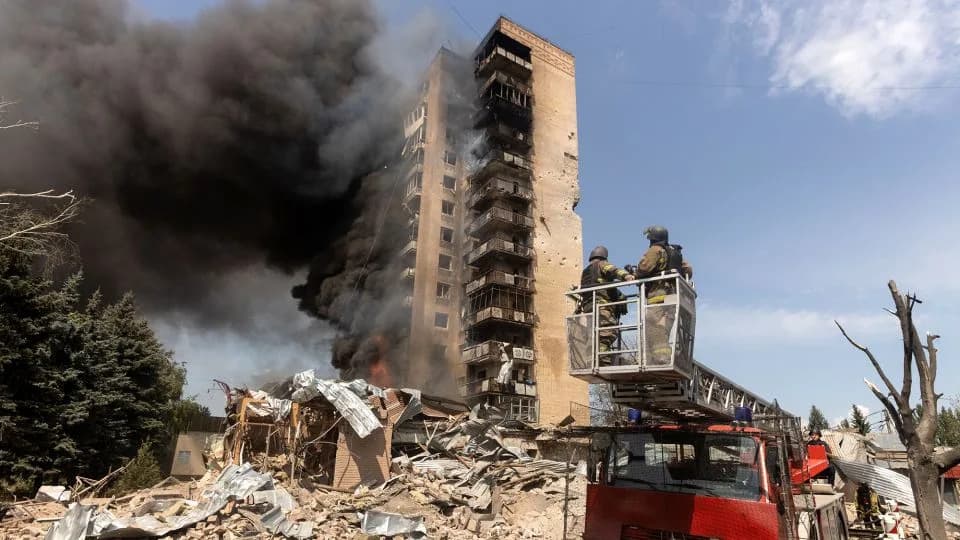
Russian forces, seeing slower advances elsewhere along the front, have concentrated efforts on taking Kostyantynivka — a city that before the war housed roughly 78,000 people and is now largely ruined and depopulated. Analysts say Russian troops entered parts of the city late last year and now operate in its southern, eastern and western districts, while also mounting infiltration efforts from the north.
DeepState, an open-source group aligned with the Ukrainian military, warned that northern incursions could allow Russia to effectively absorb control of Kostyantynivka. “The enemy is building an advantage in the Kostyantynivka sector, reinforcing it with constant aerial bomb strikes,” DeepState said, adding that Ukraine “does not have enough people to contain the pressure.”
Kostyantynivka is one of the last significant obstacles on approaches to Kramatorsk and Sloviansk, the remaining major urban centres in Donetsk oblast still held by Ukrainian forces.
Ukrainian Long-Range Strikes
At the same time, Ukraine has stepped up long-range attacks targeting Russian territory and occupied areas to disrupt revenue streams and logistics. Since 2023 Kyiv has mounted systematic strikes on oil refineries, export terminals and tankers aimed at reducing funds Moscow uses to support the war; this campaign has intensified in recent months.
Recent strikes cited by Ukrainian and open sources include attacks on two oil refineries in Russia's Tatarstan region — more than 1,000 kilometres from the front line — and an assault on a military plant several hundred miles east of Moscow using domestically produced 'Flamingo' missiles. Ukrainian drones also twice approached Saint Petersburg during Russia's major economic forum this month.
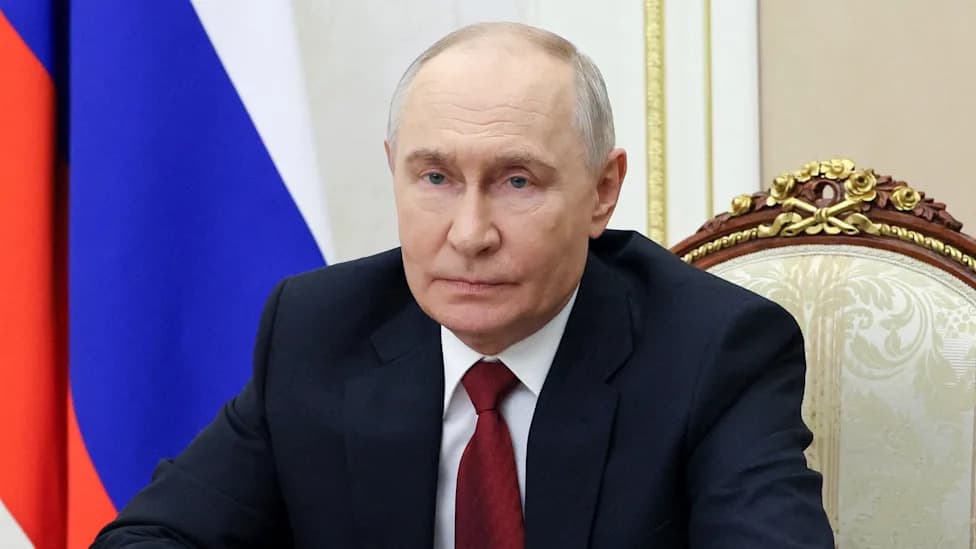
President Vladimir Putin said Kyiv’s escalating drone strikes aim to sow “confusion” and harm Russia’s economy, but he asserted they would not succeed.
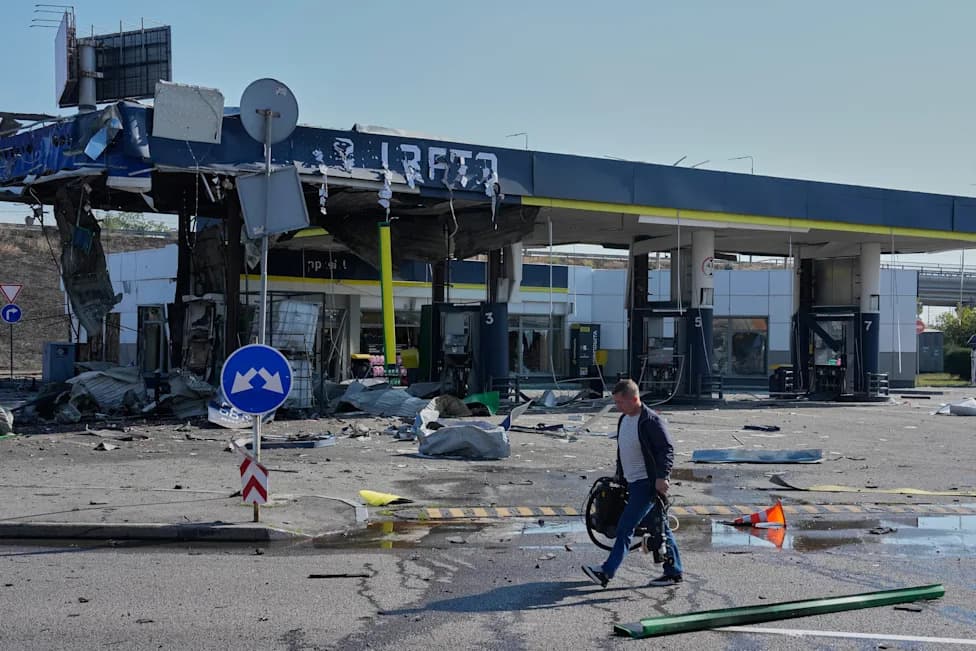
Russia, for its part, has increased the volume of missile and drone strikes against Ukrainian targets, launching record numbers in recent weeks.
Crimea's Supply Links Under Pressure
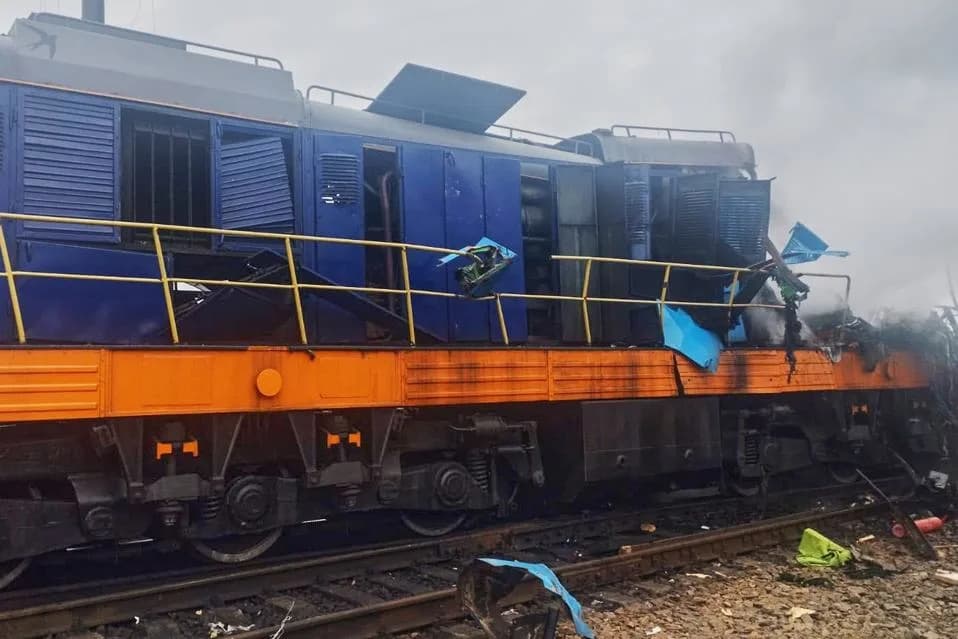
Kyiv has concentrated recent strikes on ground lines of communication (GLOCs) linking Russian-held areas in eastern and southern Ukraine to the Crimean peninsula, which Moscow annexed in 2014. Since early June, Ukrainian forces have targeted at least five bridges near Crimea, forcing Russian-installed authorities to establish alternate routes.
Ukraine has also attacked roads such as the R-280 route that connects Russia to Crimea, aiming to disrupt logistics and resupply. That has left the Kerch Strait bridge (often called the Crimean Bridge) — built by Moscow — as one of the peninsula’s few remaining direct links to Russia; Kyiv has attacked it repeatedly.
The US-based Institute for the Study of War warned that continued Ukrainian strikes against Russian GLOCs could produce cascading battlefield effects and complicate Russian preparations for offensive operations.
Implications: The combined pressure on frontline towns like Kostyantynivka and on deep logistics routes increases operational friction for Russian forces and raises the strategic cost of sustaining large-scale campaigns. The humanitarian toll and infrastructure damage remain severe in contested areas.
Help us improve.