
The Trump administration says a US-Iran memorandum could be signed imminently, though Tehran has cast doubt on the timing. The proposed pact reportedly would reopen the Strait of Hormuz in return for the US lifting its blockade and require destruction or removal of Iran's enriched uranium stockpiles, with verification details still unresolved. Observers will compare any accord with the 2015 JCPOA, while IAEA access and sanctions relief remain central sticking points.
Trump Says US-Iran Deal Could Be Signed Soon — Nuclear Stockpiles, Strait of Hormuz At Center
[Getty Images]
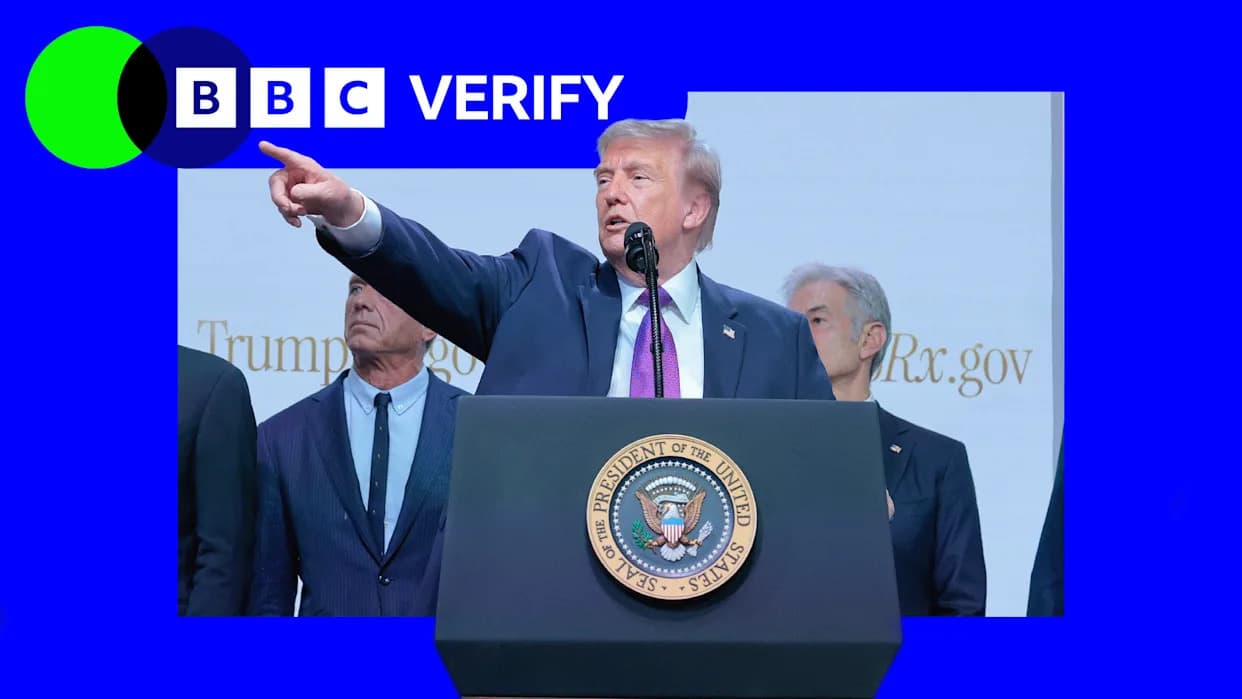
President Donald Trump said a US-Iran memorandum is "scheduled to get signed" on Sunday, a claim met with scepticism in Tehran. Iran's foreign ministry spokesman, Esmaeil Baghaei, cautioned that the precise signing date remained uncertain: "We will have to wait and see about the exact date of the signing of the memorandum of understanding, although it will not be tomorrow."
What the Proposed Deal Would Cover
Officials describe the prospective agreement as one that could reopen the Strait of Hormuz in exchange for the United States lifting its blockade on Iranian shipping. The deal reportedly would require the destruction or removal of Iran's enriched uranium stockpiles — the key material for both civil nuclear fuel and military fissile material — though technical specifics remain under negotiation.
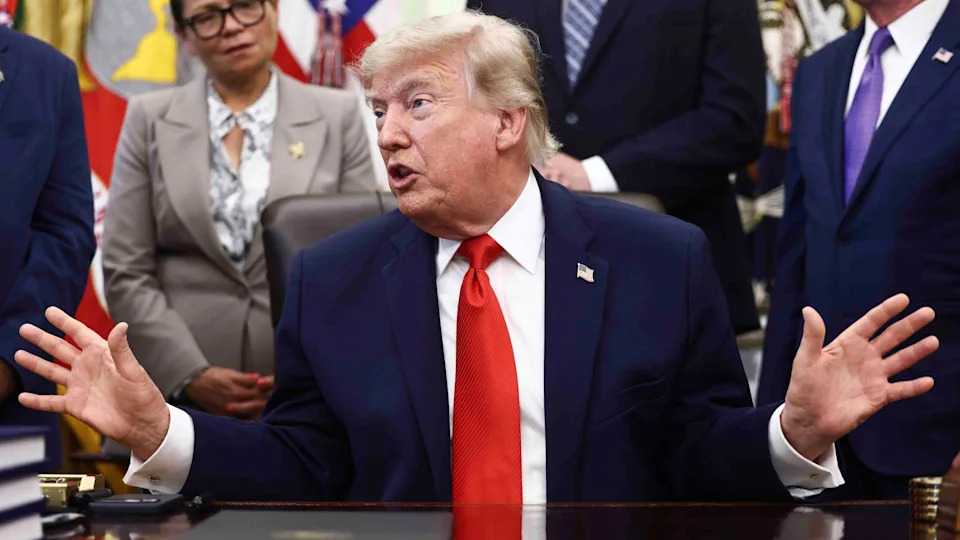
Trump has said Iran needs to hand over its "nuclear dust" [Getty Images]
How Enrichment Works
Uranium is a naturally occurring radioactive element used to fuel power reactors. To become useful as reactor fuel or weapons material, uranium must be enriched, raising the proportion of the uranium-235 isotope. Low-enriched uranium (typically 3–5% U-235) is sufficient for power reactors; weapons-grade uranium requires roughly 90% enrichment.
Comparisons With the 2015 JCPOA
If finalized, the new accord will most likely be judged against the 2015 Joint Comprehensive Plan of Action (JCPOA), negotiated under President Barack Obama and other world powers and abandoned by President Trump in 2018. Under the JCPOA, Iran agreed to reduce its stockpile by about 98% to 300 kg (660 lbs), limit enrichment to 3.67% purity, and accept strict limits on centrifuges and enhanced IAEA monitoring.
[BBC]
"The number one issue that was running at that time was whether Iran was going to go for building a nuclear weapon," said Baroness Ashton, former lead JCPOA negotiator.
The International Atomic Energy Agency (IAEA) reported that Iran was implementing the JCPOA until the US withdrew in 2018. Supporters of the deal, such as Kelsey Davenport of the Arms Control Association, say it was "remarkably successful" at making any covert weaponisation highly detectable. Critics, including Jacob Olidort of the America First Policy Institute, argue the JCPOA left issues such as ballistic missiles and sunset clauses insufficiently addressed.
Recent Developments And Stockpile Estimates
After the US left the JCPOA, Iran expanded its enrichment activity. In June 2022 the IAEA assessed Iran held 43.1 kg (95 lbs) of uranium enriched to 60%. By June 2025 — before reported US and Israeli strikes on Iranian facilities — the IAEA estimated Iran had obtained 440.9 kg (972 lbs) of uranium enriched up to 60%.
[BBC]
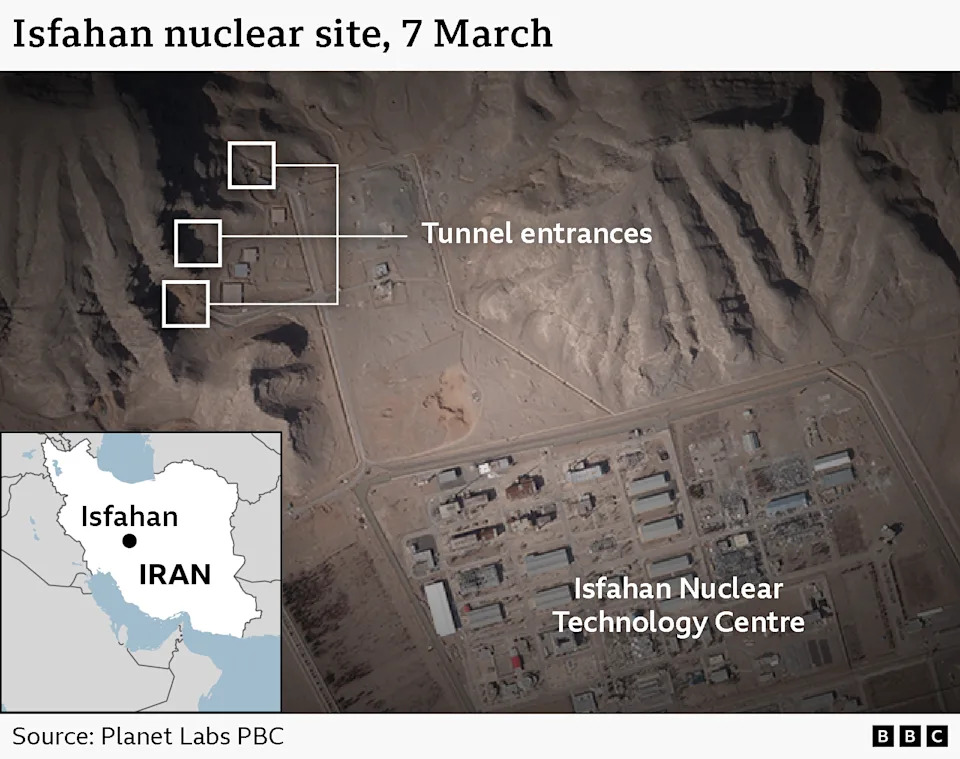
IAEA Director General Rafael Grossi told the Associated Press that roughly 200 kg (440 lbs) of highly enriched uranium was likely stored in underground tunnels at the Isfahan complex. He added that IAEA inspectors had been unable to verify the site since the conflict began and that access to facilities at Natanz and Fordo remained a priority.
Political Signals And Negotiating Positions
Mr. Trump has repeatedly demanded Iran surrender its enriched stockpiles, saying on 29 March, "They're going to give us the nuclear dust," and reiterating on 7 June that the US would remove and destroy material "whether it's onsite or whether we take it offsite." Iran has repeatedly described "zero enrichment" as a red line and a violation of its rights.
Observers expect Iran to insist on economic benefits, including sanctions relief and access to frozen assets, as prerequisites for any deal. Advocates of a negotiated settlement warn that lasting agreements typically require tangible incentives for all parties — something Baroness Ashton emphasises: "People have to feel that they've got enough to make it worthwhile participating in that negotiation."
What To Watch Next
- Whether the memorandum is actually signed on the announced date and what technical annexes it contains.
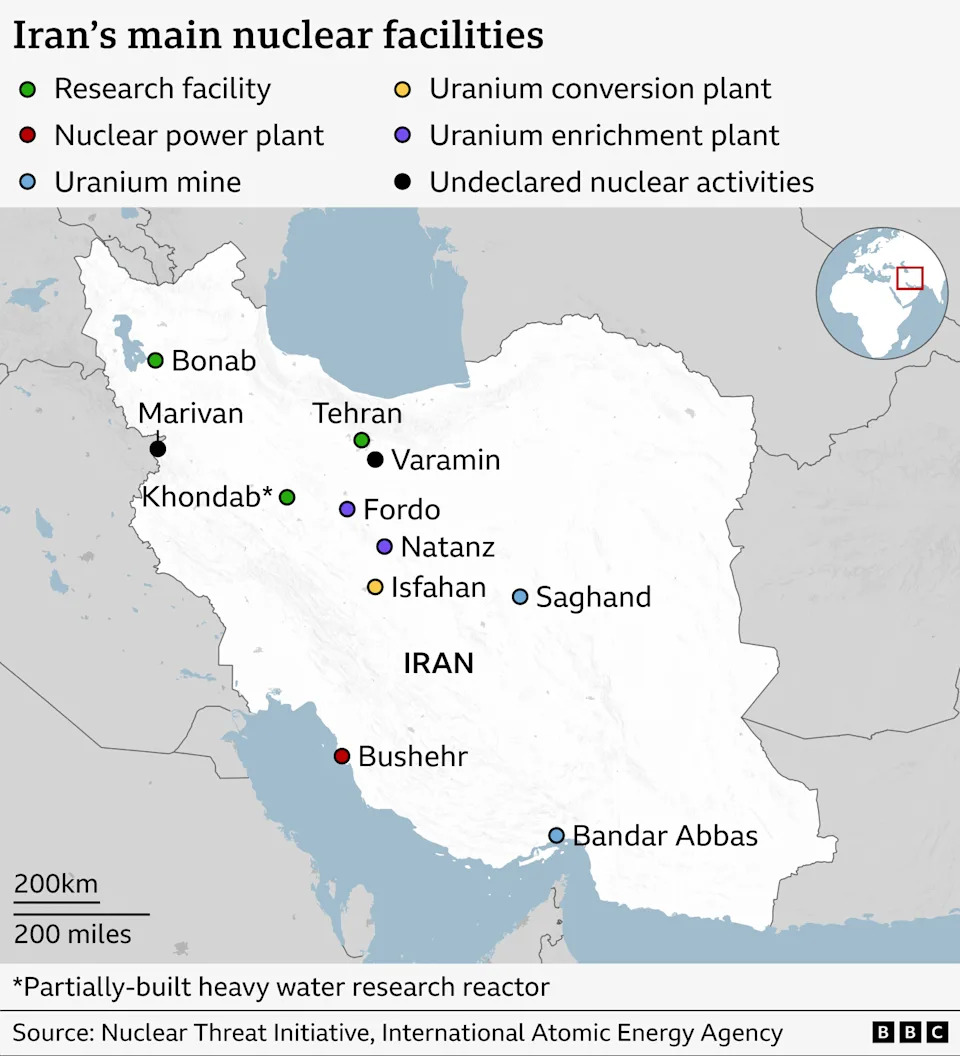
- Details on verification, IAEA access to key sites (Isfahan, Natanz, Fordo), and how removed material would be handled.
- How sanctions relief, frozen assets and a temporary suspension of enrichment (if any) are balanced against verification and sunset provisions.
The outlines of a deal remain fluid. Any final text will be scrutinised against the JCPOA benchmarks, the current condition of Iran's enrichment infrastructure, and the willingness of both sides to accept verifiable, enforceable safeguards.
Help us improve.





















