The U.S. risks repeating a history of weak tech oversight as AI advances rapidly. Without clear federal rules, foreign governments or a patchwork of state laws could set global norms, raising the risk of disinformation, online harms to minors, and new cyber threats. President Trump has prioritized innovation, rescinded prior regulatory efforts, and signed an executive order to bolster cyber defenses. Congressional action remains uncertain without broader consensus among lawmakers and the administration.
AI Oversight Gap Could Shape a Long-Term Legacy — Will Congress Act?
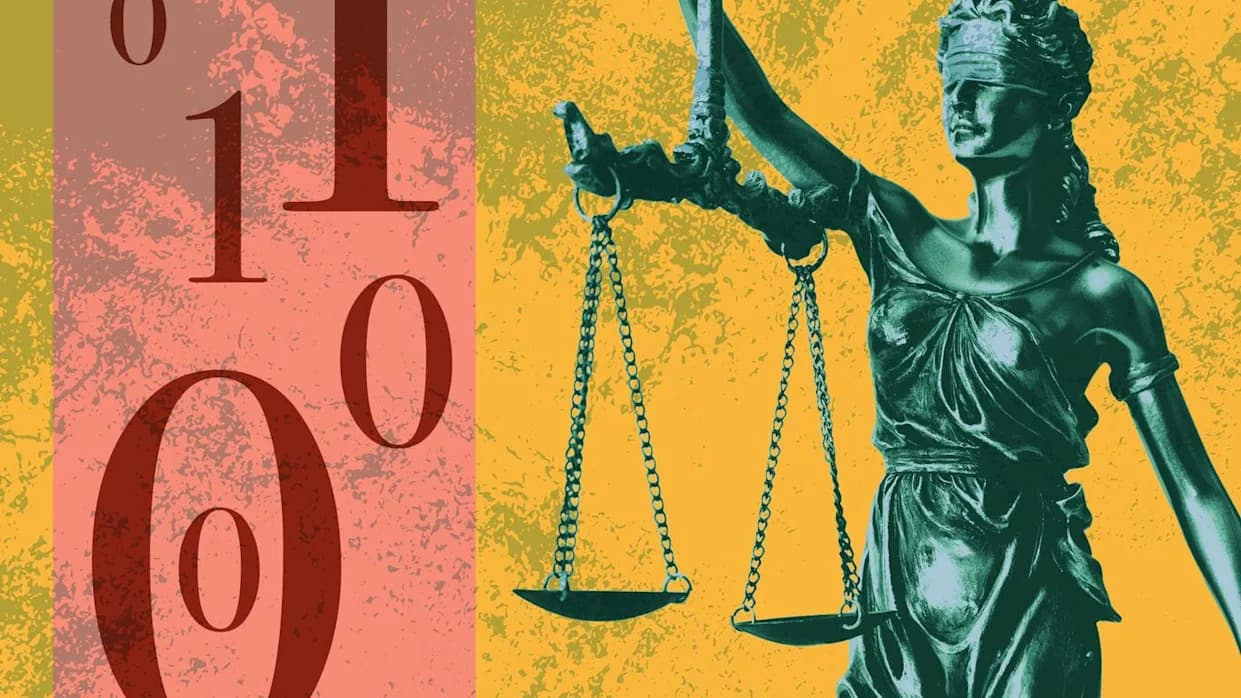
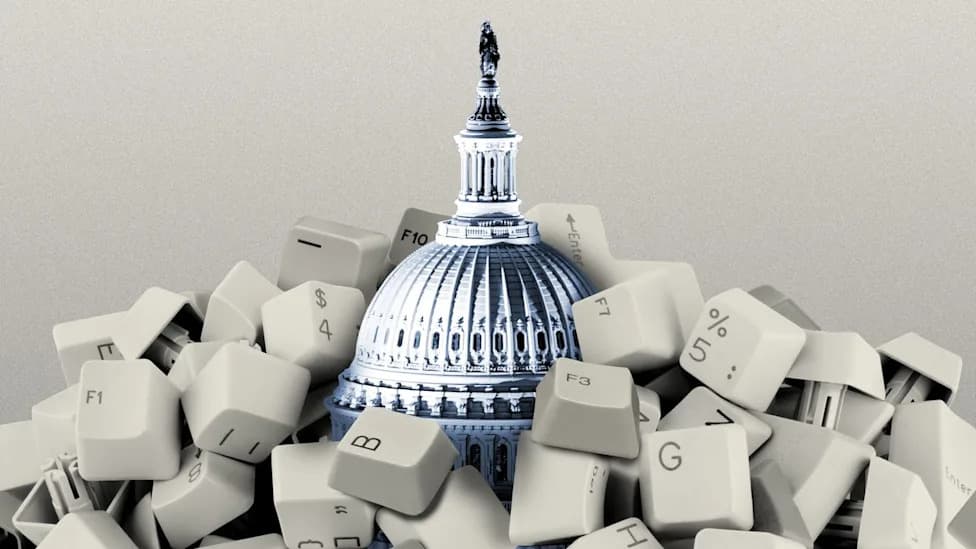
Illustration: Sarah Grillo/Axios. Stock: Getty Images
Congress has long struggled to keep pace with rapidly changing technologies, and artificial intelligence looks poised to follow that same trajectory. Without clear, coordinated federal rules, the U.S. risks leaving crucial decisions about AI to foreign governments, state-by-state patchwork laws, or market forces that may prioritize speed over safety.
Why It Matters
If the United States does not lead on AI standards, authoritarian regimes and strategic competitors could set global norms. Weak or inconsistent oversight increases the risk of widespread disinformation, online exploitation of minors, and novel cyber threats. A fragmented regulatory landscape would also create legal confusion and economic waste for companies and consumers.
State Of Play
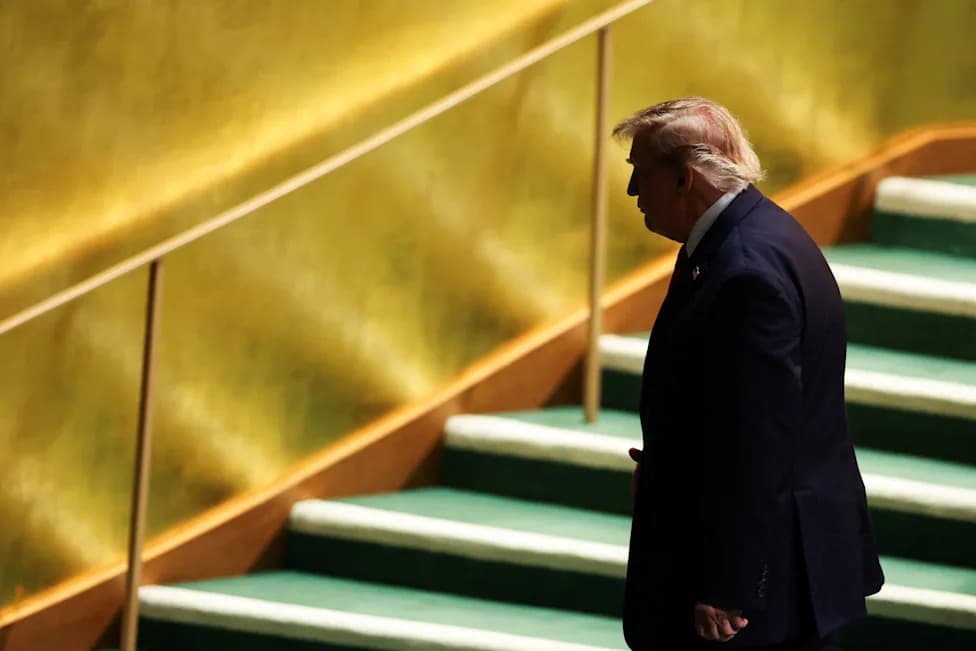
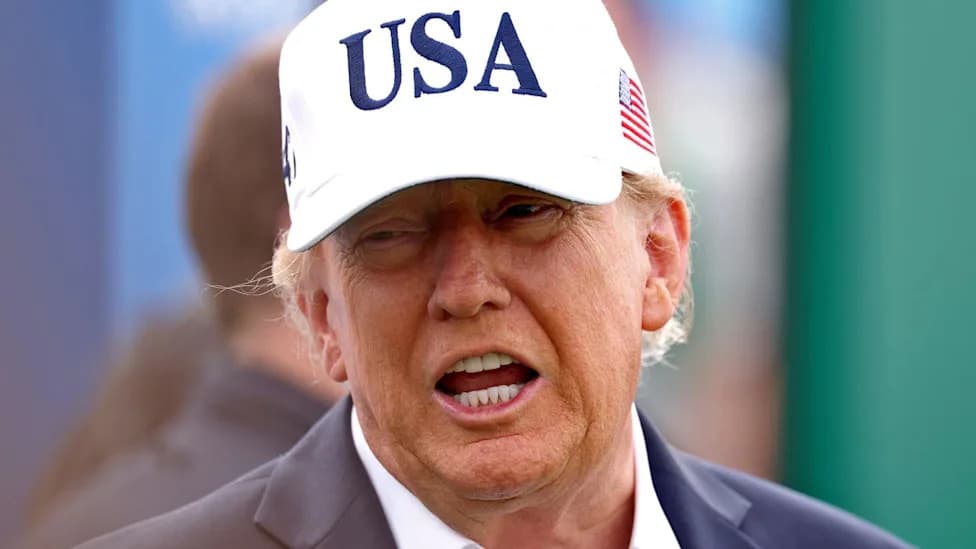
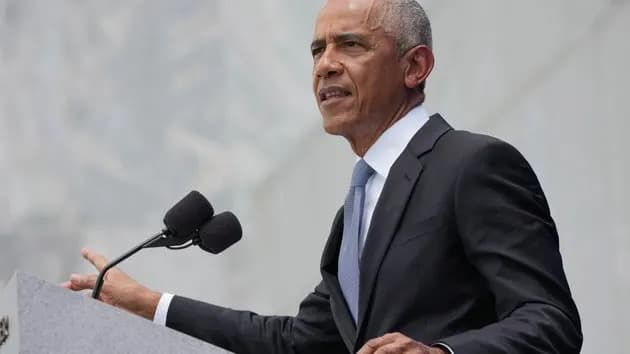
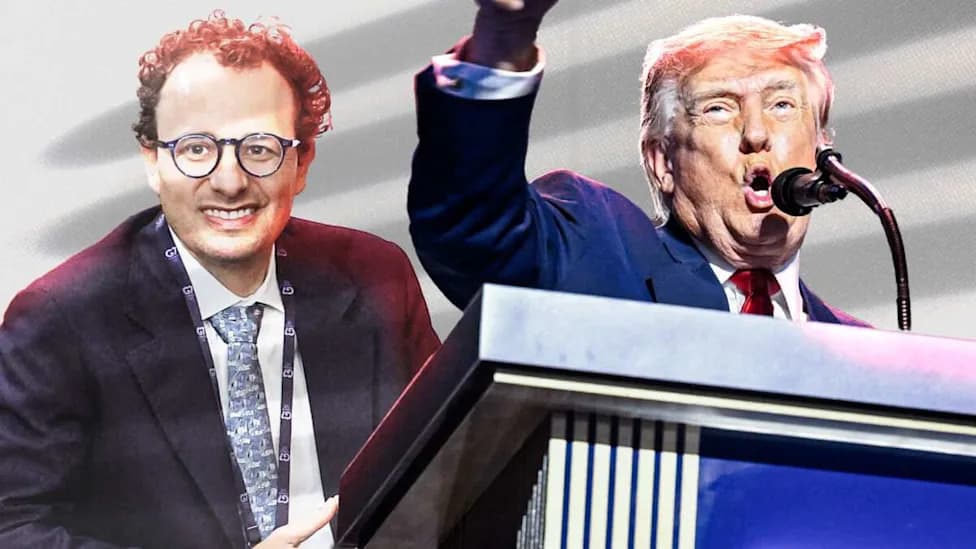
Early in his second term, President Trump rescinded elements of his predecessor's AI policy approach and emphasized an administration priority of innovation over new safety mandates. At the same time, U.S. companies continue to race to release more powerful AI models, intensifying competition and public concern.
Some of the latest models have demonstrated new capabilities — including ways that could be misused to identify and exploit cyber vulnerabilities — alarming both the public and policymakers. In response to heightened cyber concerns, the President recently signed an executive order aimed at strengthening national cyber defenses.
Inside The Debate
Many lawmakers and strategists frame AI leadership as a national-security imperative, arguing that overly restrictive rules could cede technological advantage to China and other rivals. That view prioritizes speed, innovation, and economic competitiveness.
Opponents counter that inadequate guardrails around increasingly powerful systems create their own security risks. They warn that leaving oversight to market forces or a patchwork of state laws will fail to prevent harms such as disinformation campaigns, online abuse of children, and emergent cyber threats.
What We're Watching
The White House may expand its executive actions on AI and cybersecurity over time. But meaningful federal legislation appears unlikely unless there is broader consensus within the administration and among members of Congress. Even potential changes in the political balance — such as Democratic gains in upcoming elections — may not produce dramatic policy shifts because of deep divisions within parties over how aggressively to regulate AI.
Bottom line: The next year will likely determine whether the U.S. establishes unified, enforceable AI guardrails or leaves the field to a mix of executive orders, state rules, and international actors shaping norms in ways that may not align with American values.
Help us improve.