Russians are using VPNs, multiple phones and other workarounds to evade intensified internet controls. VPN downloads surged to 9.2 million in March, and reported VPN use rose from 23% to 36% this year. The restrictions have disrupted banking, transport and retail, and contributed to public frustration ahead of September's parliamentary vote. Officials promote state apps like MAX as part of “digital sovereignty,” but many users fear surveillance and keep such apps on separate devices.
Two Phones, One VPN: How Russians Circumvent Kremlin Internet Controls
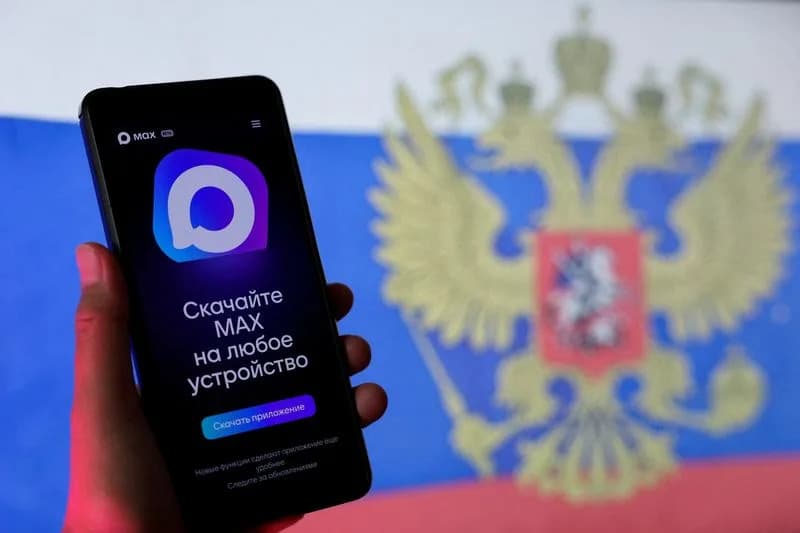
The Russian messaging app MAX is displayed on a smartphone next to a screen showing the state flag of Russia in this illustration taken September 4, 2025. REUTERS/Ramil Sitdikov/Illustration
In a quiet Moscow café known for free Wi‑Fi and good coffee, an interior designer uses a virtual private network (VPN) to message friends abroad on WhatsApp — a U.S. service currently blocked inside Russia. She then turns the VPN off to buy a ticket on the Russian Railways website (which blocks users who mask their location) and checks a second phone for client messages on the state‑backed app MAX.
Everyday Workarounds
Since the Kremlin tightened internet controls this year, many Russians have adopted elaborate technical routines to avoid state monitoring and restrictions on foreign apps like WhatsApp and Telegram. Common tactics include toggling VPNs on and off, keeping government apps isolated on separate devices, and using different virtual locations to reach blocked services.
“Of course this is all a huge pain in the backside, but what else can we do? You get used to it and spend your days turning VPNs on and off, toggling between different messengers and switching between different virtual countries or phones to use the apps and websites you need,” said Irina, 41, an interior designer who asked to be identified by one name because of the sensitivity of the issue.
Surge In VPN Use And Disruptions
VPN downloads spiked: in March the five most popular VPN apps on Google Play were downloaded 9.2 million times — 14 times the total for the same month a year earlier, according to Digital Budget, a Moscow consultancy reported by Kommersant. The Levada Center, a non‑government pollster, says the share of Russians who acknowledge using a VPN rose from 23% in 2022 to 36% this year.
Those disruptions have not been merely inconvenient. Authorities have at times ordered mobile internet shutdowns (citing security concerns) and Roskomnadzor, the state communications regulator, has blocked or throttled apps and sites it deems illegal or extremist. In March, Moscow experienced an almost three‑week outage that interfered with banking, transport and e‑commerce, and reportedly upset officials who rely on Telegram and other platforms to coordinate support ahead of September's parliamentary election.
State Apps, Surveillance Fears And Market Effects
The Kremlin is pushing for what it calls “digital sovereignty,” encouraging citizens to use domestic services such as MAX, which its owner VK says had over 85 million daily users in May. Critics and some tech companies warn that state apps could enable surveillance — an allegation VK denies — prompting some users to isolate such apps on separate devices or even remove microphones and cameras from phones.
In April, government offices, banks and major retailers began blocking visitors who have VPNs enabled, a move that coincided with a roughly 10% drop in web traffic for Wildberries, Russia's largest online retailer, Digital Budget reported. Firms warned that many customers do not disable VPNs to view product pages and so abandon purchases.
Political And Social Impact
Public frustration with digital curbs, along with rising prices, tax increases and fatigue from the war in Ukraine, is widely seen as contributing to a drop in President Vladimir Putin's approval ratings. State pollster VTsIOM recorded a fall from 75.1% in February to 65.6% in April; overall approval now sits near 67%, the lowest levels since the 2022 escalation of the conflict.
Officials argue the measures protect national security during an intense geopolitical standoff. President Putin has urged caution in relying solely on bans and has instructed authorities to ensure critical services — such as healthcare platforms and payment systems — remain operational.
For many Russians like Irina, the adjustments have become a routine part of daily life. “In Russia, we have a saying: Nothing is more permanent than the temporary,” she said.
(Reporting by Andrew Osborn and Reuters TV; additional reporting by Darya Korsunskaya; editing by Alexandra Zavis)
Help us improve.