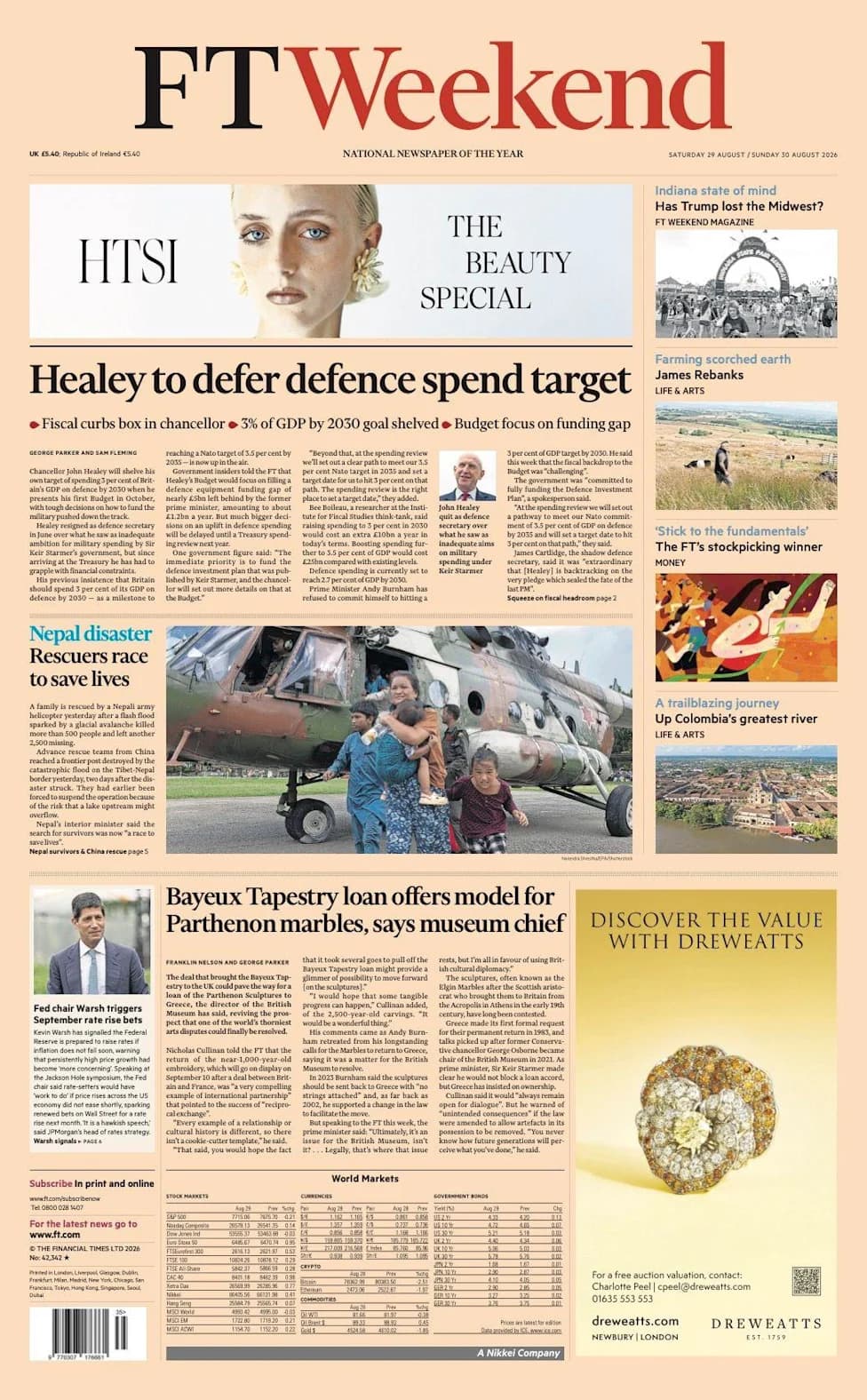
The shock resignation of defence secretary John Healey has exposed deep fractures at Downing Street over defence funding and Sir Keir Starmer’s control. Healey publicly said the government’s settlement left the UK less safe and quit after being told no further funding would be provided. The row stems from an earlier commitment to reach 3.5% of GDP on defence by 2035 without a clear financing plan and a missing Defence Investment Plan. With Dan Jarvis now in the role and a high‑profile G7 summit imminent, the government faces pressure to find additional funds or risk further political fallout.
Downing Street Dominoes: Can Starmer Survive Healey’s Shock Resignation?

[BBC]
At lunchtime on Thursday my phone pinged with a video from a Labour source: a gif of a shadowed hand flicking a domino, which toppled another and then another until hundreds, then thousands, collapsed. The sender’s message was clear — minutes after John Healey’s shock resignation as defence secretary, the question was whether one exit could trigger a wider collapse for Sir Keir Starmer.
[AFP via Getty Images]
The Immediate Fallout
Healey’s departure is a major political blow. For a senior cabinet minister to say publicly that the prime minister’s decisions are putting the country at risk is about as damaging as it gets. One cabinet colleague warned everyone would be “shaken” by the exit; another insider summed up the mood bleakly: “It’s been a really hard week – stronger words could be used.”
[Getty Images]
“As it is, I can’t stand behind this — and I would have to resign.” — John Healey
Healey is widely seen as a loyal Labour politician, so his decision to quit carries unusual weight. In his resignation letter he said No 11 had been “unwilling” to find money for defence while No 10 had been “unable” to make it happen — a pointed critique of the prime minister’s authority.
[EPA/ Shutterstock]
The Funding Row
The disagreement centres on how much extra cash to present and where it should come from. As late as Wednesday night Downing Street was still debating whether to present an uplift as £15bn, £13.5bn or £10bn — a sign, one source said, that “the deal was so bad they didn’t know how to present it.”
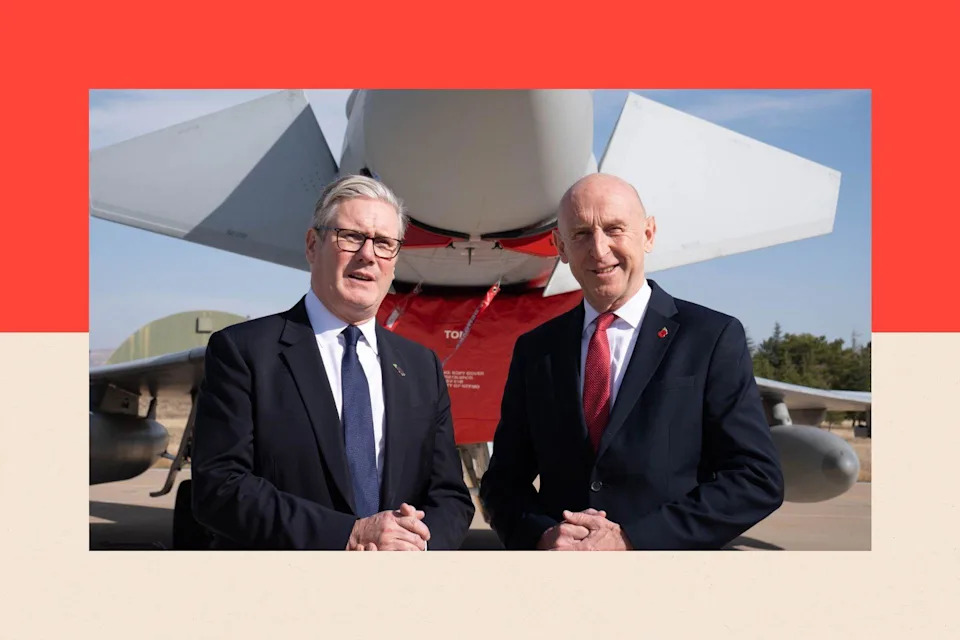
Prime Minister Sir Keir Starmer and former Defence Secretary John Healey [PA Wire]
Healey warned the settlement was far too low and demanded a date by which the UK would reach defence spending of 3% of national income — a milestone on the path to Sir Keir’s public pledge to reach 3.5% of GDP by 2035 after pressure at a NATO summit in The Hague. The MoD also warned Downing Street of the consequences of a limited settlement.
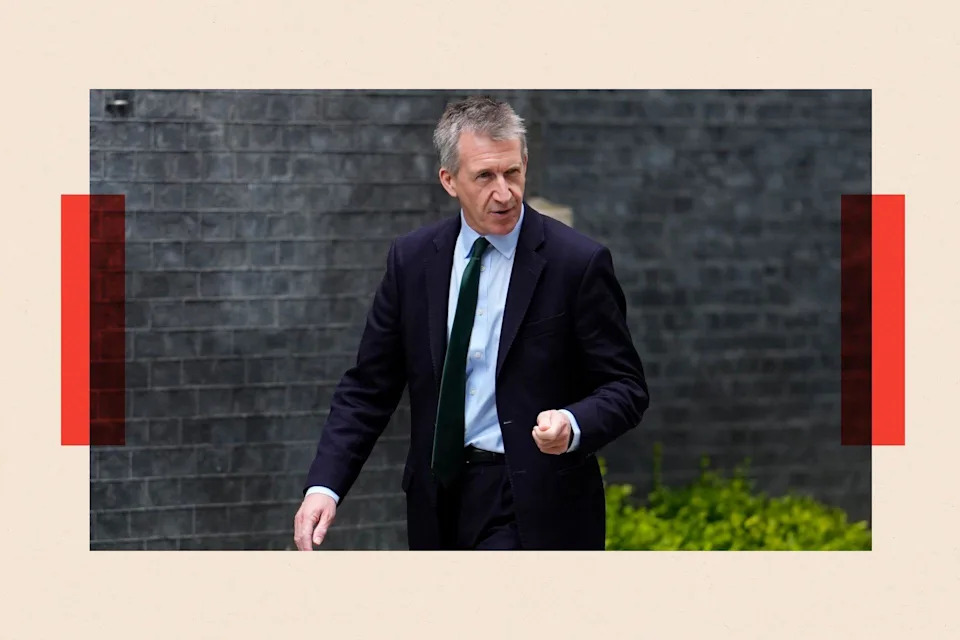
Newly appointed Defence Secretary Dan Jarvis [PA Wire]
How We Got Here
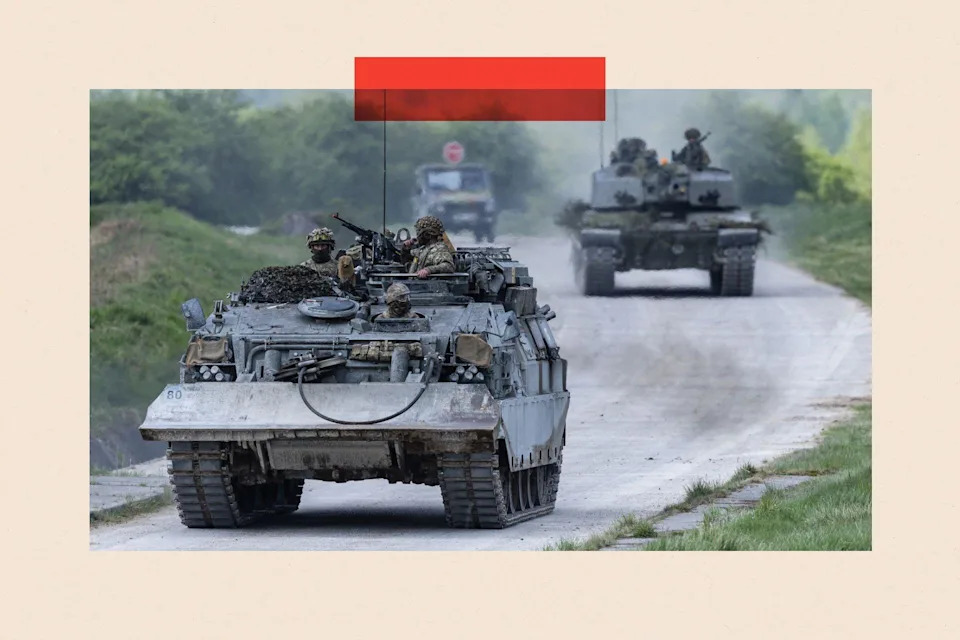
The rows trace back to decisions and funding gaps carried over from the previous government, rising inflation and ambitious defence aims that outpaced budgets. The Strategic Defence Review — published in June 2025 and authored by Lord Robertson — assumed spending would reach 2.5% of national income by 2027 and 3% by 2034, with details to follow in a Defence Investment Plan (DIP). Crucially, at that stage Healey told the prime minister and chancellor he would not need to return for more cash — a pledge now seen as a grave misjudgement.
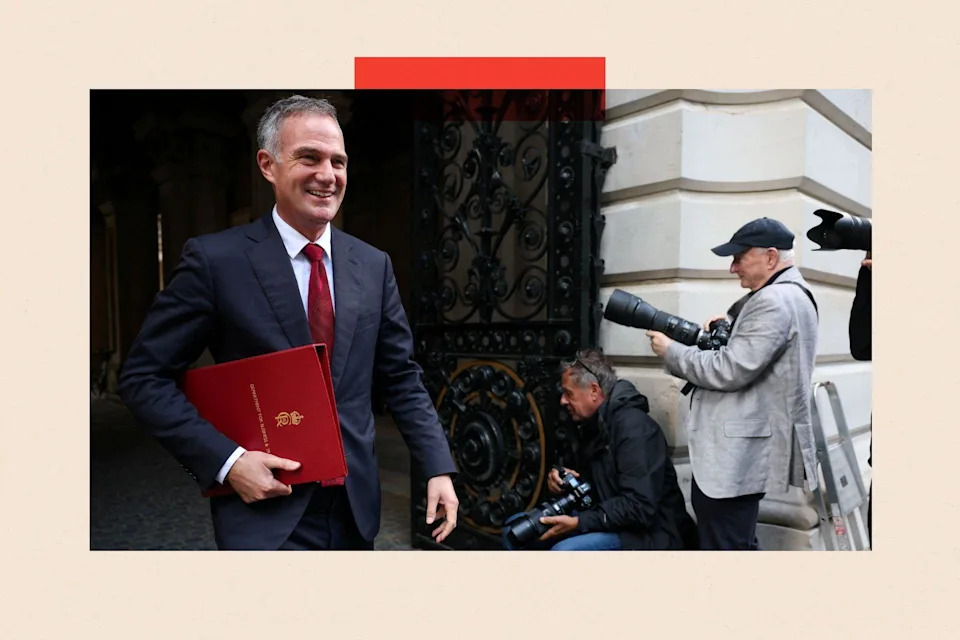
[Reuters]
Less than a month later the prime minister publicly committed the UK to 3.5% of GDP by 2035 after pressure from international leaders. That commitment significantly raised the long-term price tag, and the Defence Investment Plan that would show how to spend the money and where it would come from still hasn’t materialised.
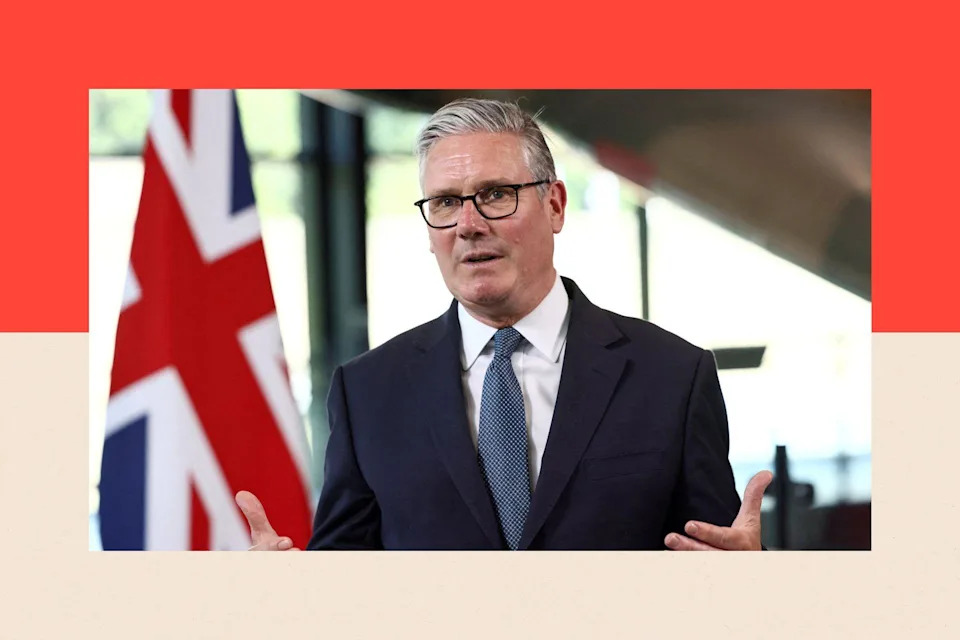
[Reuters]
Political and Diplomatic Consequences
Dan Jarvis, a former soldier, takes over the defence brief but insiders warn he will struggle to make the current package credible without more cash. The timing is awkward: the G7 summit in France is about to begin and Donald Trump — who has been urging European allies to spend more on defence — will be present. One of Trump’s advisers, Elbridge Colby, has already amplified Healey’s letter, calling for greater British military strength.
It is potentially embarrassing for the UK to play out this row in front of its most important ally. A visiting group of MPs in Washington had been coached to reassure Americans about Britain’s commitment to extra spending; Healey’s resignation made that task awkward.
What This Means For Starmer
The episode raises three interlinked challenges for the prime minister: find new revenue or cuts (politically painful options), project command and control over Treasury decisions, and rebuild credibility on national security. Some allies argue defence spending rows do not cleave the party as sharply as domestic policy fights, but several former ministers were blunt: one said, “I’m afraid Keir’s stuffed now,” another called Healey’s exit “the last nail.”
Starmer has publicly insisted he will not quit. Asked whether he will lead Labour into the next election he replied, “That's what I want to do. I recognise that I've got to turn things around.” It was not an unequivocal yes. With Andy Burnham poised to return to Parliament at the Makerfield by-election, the risk that those political dominoes begin to fall looks real.
Bottom line: A senior resignation over defence funding has exposed fractures in Downing Street, left key spending plans unclear and put Sir Keir Starmer’s authority under renewed scrutiny just as high-profile international attention arrives.
Help us improve.