
Iran has deliberately collapsed tunnels and booby‑trapped access routes to protect a roughly half‑ton stockpile of highly enriched uranium, U.S. intelligence sources told CNN. Plans to send U.S. ground forces to seize the material were prepared in mid‑May but abandoned after advisers warned such a raid would be extremely risky and likely to provoke retaliation. Most of the uranium is believed trapped at the Isfahan complex; negotiators are weighing alternatives, including in‑place dilution with the IAEA, while talks toward a possible framework deal continue.
Iran Booby-Traps and Collapses Tunnels to Protect Buried Uranium — U.S. Considers Options
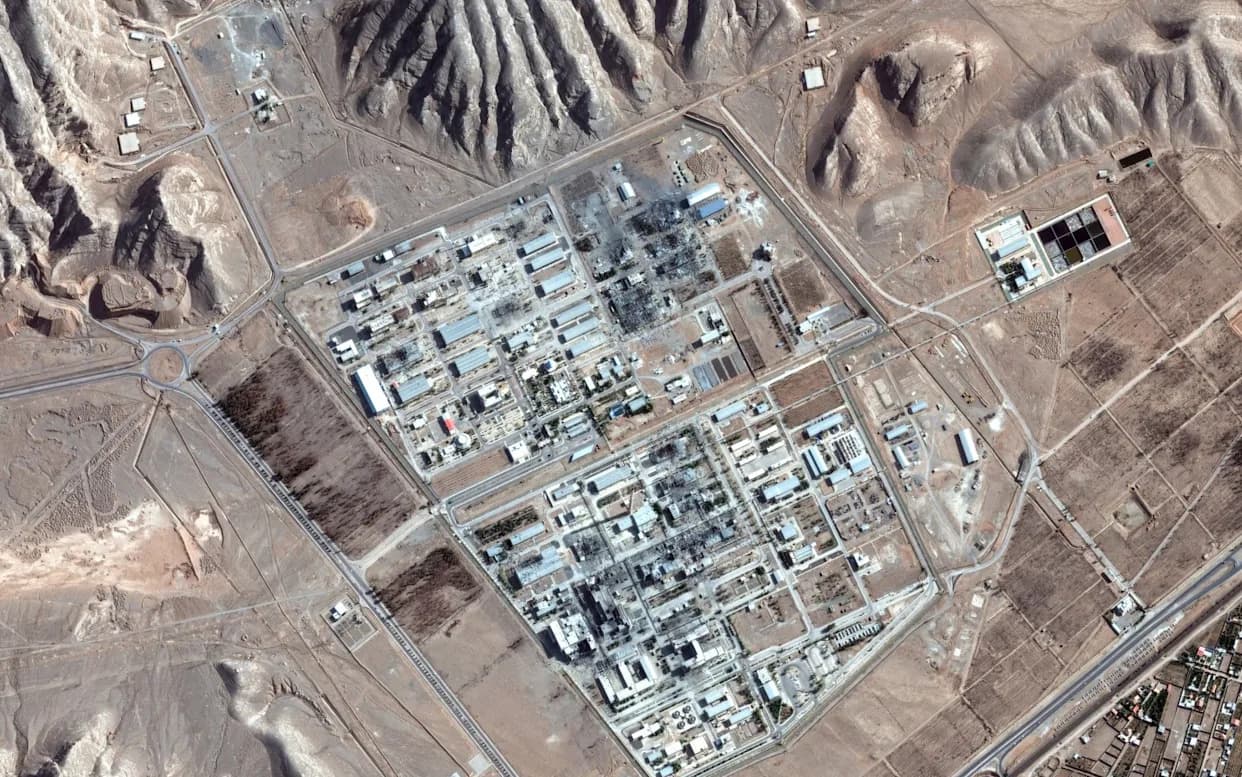
The bulk of Iran’s stockpile is believed to be contained in collapsed tunnels at the Isfahan nuclear complex - Maxar via REUTERS
Iran has reportedly hardened access to a buried stockpile of highly enriched uranium by deliberately collapsing tunnels and booby‑trapping entry routes with explosives, U.S. intelligence sources told CNN. The measures, carried out in recent weeks, have made reaching the roughly half‑ton cache far more hazardous than it was a month ago.
What Iran Has Done
Most of the material is believed to be trapped inside collapsed tunnels at the Isfahan nuclear complex in central Iran, with smaller quantities reportedly held at other sites. Iranian officials have said the holdings could—if weaponised—be sufficient for multiple nuclear devices. Sources say the deliberate collapses and explosives were intended to put the caches out of reach and complicate any recovery effort.
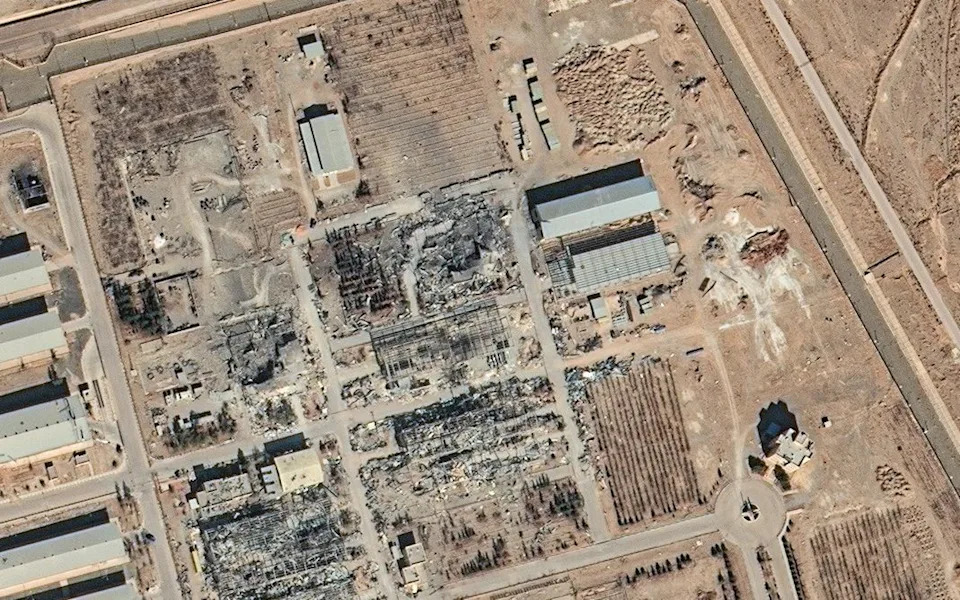
Sources claim that Iran’s highly enriched uranium is significantly more dangerous than it was a month ago - Maxar
U.S. Response And Plans Considered
In mid‑May, the U.S. military prepared units and held urgent, high‑level briefings that involved senior commanders, including Gen. Dan Caine, to consider a possible raid to seize the material. According to reports, those plans were ultimately shelved after military and intelligence advisors warned that a ground operation would be extremely risky, could take days or weeks to execute, and would likely provoke strong retaliation from Tehran with significant U.S. casualties.
Why Retrieval Is Difficult
Experts and U.S. officials say recovering the uranium now would probably require heavy excavation equipment, specialist demining teams and careful handling of near‑bomb‑grade material—operations that are complex, dangerous and time consuming. Even Iranian teams, according to some reports, would face substantial obstacles in reaching and securing the caches.
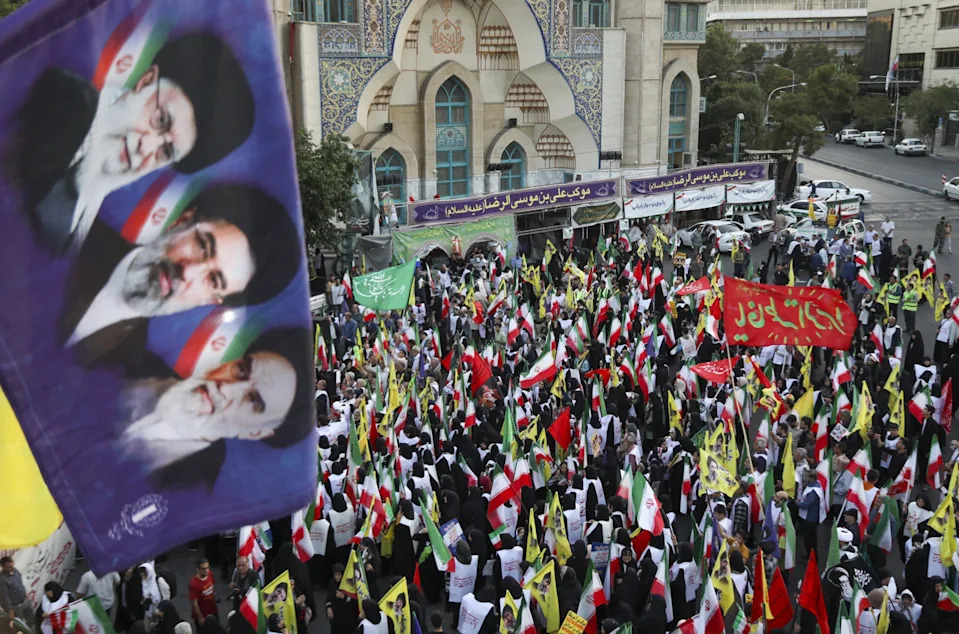
A march at Palestine Square in Tehran on Friday in support of Iran’s new leader - Majid Saeedi/Getty Images
Alternatives Under Discussion
Negotiators are reported to be weighing alternatives to a forceful seizure. One plan under discussion would involve working with the International Atomic Energy Agency (IAEA) to neutralise or dilute the enriched uranium in place rather than moving it out of the country, according to a New York Times report. Diplomats and U.S. officials are also exploring arrangements under which Iran would surrender and destroy the material as part of a negotiated settlement.
"If we make a deal that now we’re friendly, we’ll all go together. It’ll be our equipment. We’ll take it out and destroy it, whether it’s on‑site or whether we take it off‑site," President Trump told NBC News when discussing retrieval options if an agreement is reached.
Negotiations And Regional Tensions
U.S. officials have said confidence is building that a framework agreement with Tehran could be reached soon, although no signing date or location had been finalised and Iran’s internal decision‑making was described as complicated. Separately, U.S. Central Command reported that Iranian forces launched multiple drones at commercial vessels transiting the Strait of Hormuz; U.S. forces said they shot the drones down. These incidents underscore the wider regional risks tied to the dispute.
Note: This article compiles reporting attributed to CNN, the New York Times and statements by U.S. officials and the U.S. president. Some names and descriptions come from those original reports.
Help us improve.





















