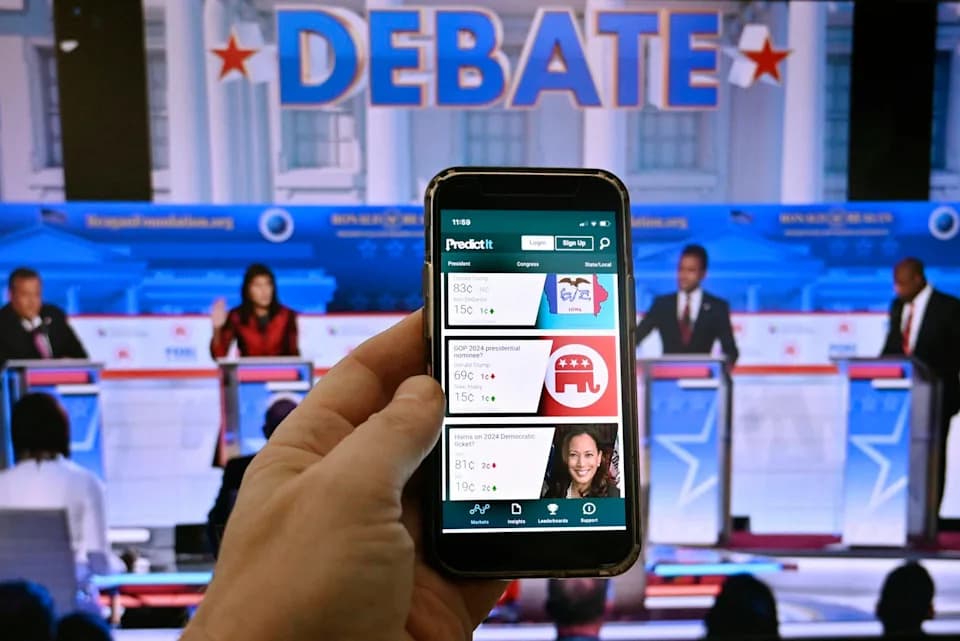
The Los Angeles mayoral primary saw social media influencers paid by prediction-market firms promote posts that questioned the vote without evidence, raising alarms about election integrity ahead of the 2024 midterms and 2028 presidential race. Kalshi asked some creators to remove posts; Polymarket said it removed some "paid partnership" labels, but AFP found several sponsored posts still casting doubt on results. Experts warn that combining paid influencer promotions with betting markets creates incentives for sensational or false narratives that could erode public trust in future elections.
Sponsored Betting Posts Spread Doubt Over LA Vote — Analysts Warn of New Threat to Election Integrity
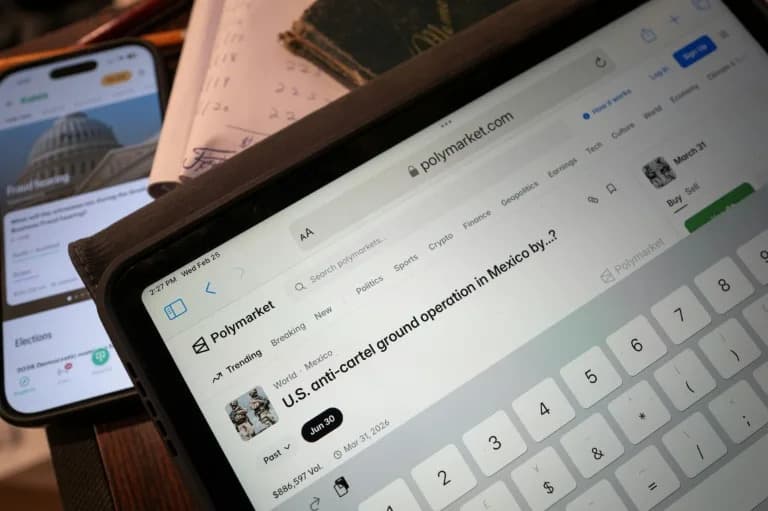
Betting firm-sponsored influencer posts have triggered concern in a US election year (SCOTT OLSON)(SCOTT OLSON/GETTY IMAGES NORTH AMERICA/Getty Images via AFP)
A Los Angeles mayoral primary has become a focal point for a new kind of election risk: social media posts paid for by prediction-market firms that amplified unfounded claims of fraud. Analysts warn that the practice — influencers promoting betting odds while casting doubt on results — could undermine public trust ahead of the 2024 midterms and the 2028 presidential race.
What Happened
Prediction-market app Kalshi asked at least two paid influencers to delete posts on X (formerly Twitter) that made baseless assertions of "cheating" and "stealing" tied to the Los Angeles vote, according to US press reports. Polymarket acknowledged that some posts advertising its odds had their "paid partnership" labels removed after AFP raised concerns.
AFP Review
An AFP review found more than half a dozen posts on X that cast doubt on California's results still displaying sponsorship tags, suggesting those creators continued to benefit from paid relationships with one of the firms. Several of the posts AFP flagged were linked to individuals previously charged in connection with the January 6, 2021, attack on the US Capitol or to creators AFP has repeatedly fact-checked for spreading misinformation.
"The LA mayoral race foreshadows what's to come in American election cycles," said Jess Rauchberg, assistant professor at Seton Hall University. "If 2016 was the 'social media election' and 2024 was the 'influencer election,' 2028 will be the 'prediction market election.'"
Companies' Responses
A Polymarket spokesperson told AFP that company rules "explicitly prohibit affiliates from providing misleading or false information" and that it would monitor compliance. The spokesman did not say how many sponsorship tags were removed; AFP identified at least four affected posts. Kalshi did not respond to AFP requests for comment.
Why This Matters
Analysts say prediction markets create financial incentives for influencers to maximize attention rather than accuracy. Emerson Brooking of the Atlantic Council's Digital Forensic Research Lab warned that firms "are profiting handsomely from American democracy even as they weaken it," arguing that creators can be paid to amplify sensational claims and then pivot to allegations of fraud if their predictions fail.
Notable Examples
- AFP found paid-partnership labels on posts by individuals who have been charged in relation to January 6, including a now-deleted message from Owen Shroyer saying, "California just keeps counting until the Democrat wins."
- Right-wing YouTuber Nick Shirley and influencer Matt Wallace — who posted a claim that "millions of illegals vote in California" — were among creators AFP identified as sponsored partners.
- An anonymous account that admitted earlier in 2024 to accepting payment to share content linked to a Russian disinformation campaign also posted a sponsored message implying prolonged ballot counting was cover for manipulation.
Broader Context
Prediction markets — which let users wager on events from politics to sports — are banned in some countries and have faced scrutiny in the US over insider trading concerns. Experts say the fast growth of political betting, combined with paid influencer promotions, multiplies the risk that financial motives will drive the spread of timely falsehoods ahead of key elections.
Bottom line: Observers warn that unless platforms, firms and regulators tighten rules and enforcement, paid promotions tied to prediction markets could become a recurring source of election misinformation that is profitable for creators and corrosive to public trust.
Help us improve.