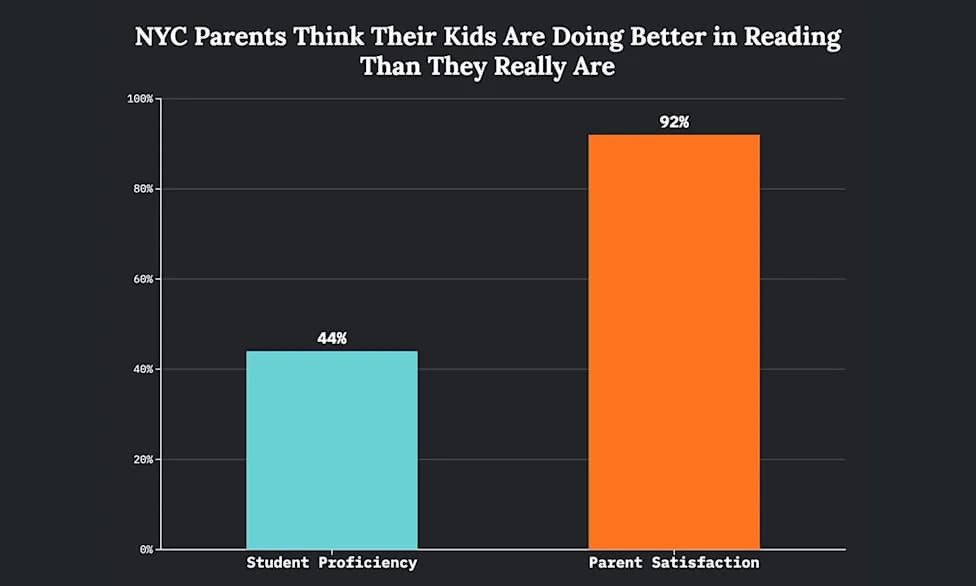
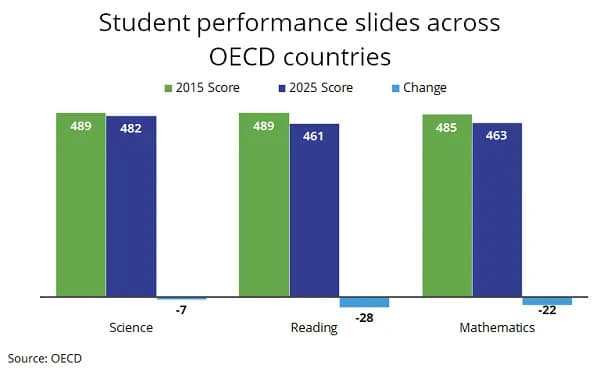
Reports suggest some UC Berkeley undergraduates are reading as little as five pages per course per day, prompting professors to cut assigned readings. Observers cite grade inflation, shorter attention spans from digital media, and weakened K–12 emphasis on foundational skills as contributing factors. Proposed responses include restoring rigorous standards, recalibrating testing and grading, prioritizing close reading and critical thinking, and considering a standardized admissions exam alongside targeted remediation.
If Berkeley Students Can’t Read, California’s K–12 Needs Fixing — And Fast

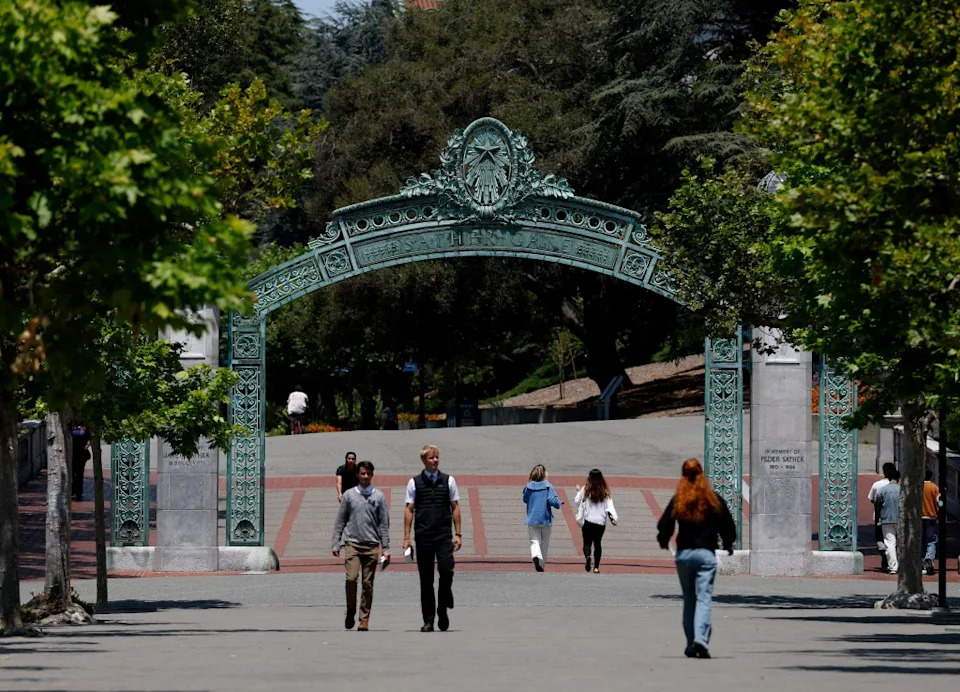
BERKELEY, CA, FEBRUARY 19, 2026: Students pass by Sather Gate on the campus of University of California, Berkeley on Thursday, February 19, 2026.(Christina House / Los Angeles Times via Getty...
Recent reporting has raised alarms that some UC Berkeley undergraduates are reading far less than expected — in some cases reportedly only five pages per course per day. That revelation has prompted faculty and education observers to question whether California’s K–12 system is adequately preparing students for college-level work.
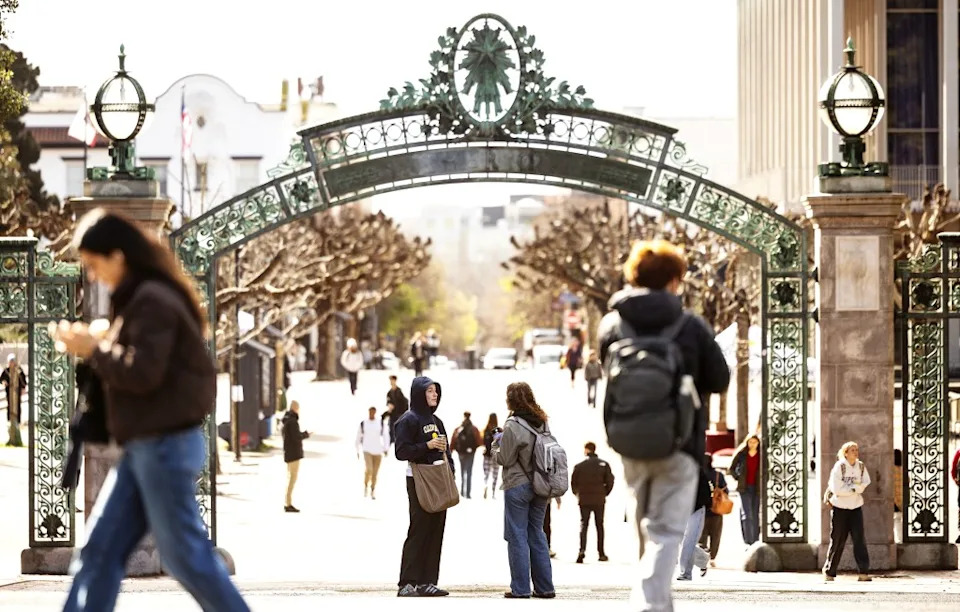
It’s time for some remedial education for California’s public school system. Los Angeles Times via Getty Images
Berkeley is not a mid-tier campus. The university is one of the world’s leading public institutions and rejected roughly 90% of undergraduate applicants last fall, admitting students with near–top high school grades. Yet multiple instructors say they have reduced assigned reading: one professor told reporters he cut weekly assignments from about 100 pages to 35.
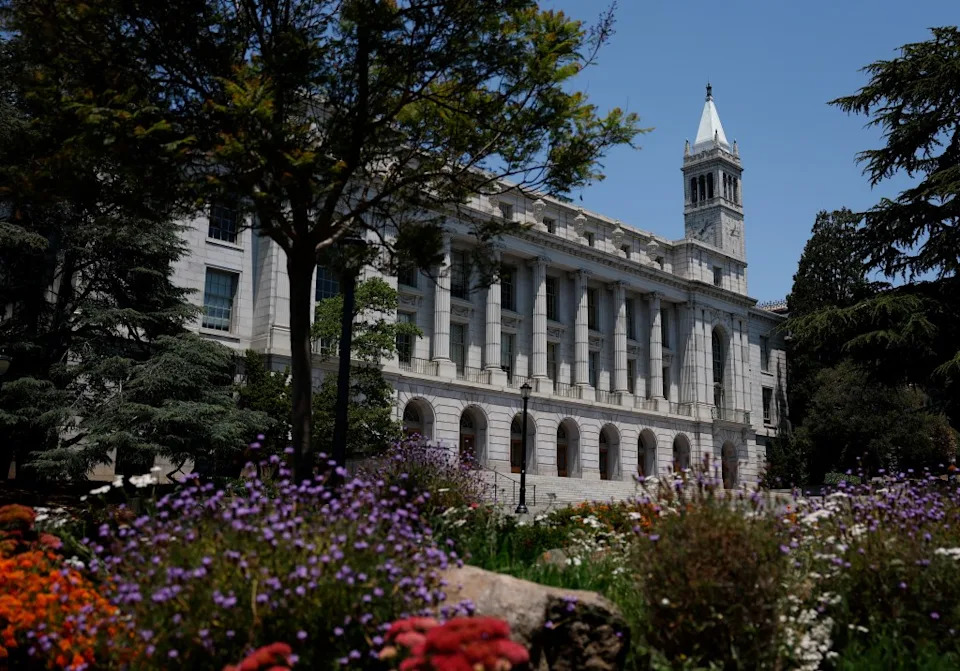
Good grief and indeed: How can students genuinely learn history if they barely read about it? Getty Images
“We are now reaching a crisis point where if the number (of pages) goes down further, it’s unclear to me whether my discipline of history can really be taught,” Carlos Noreña told student media.
How can students engage with complex ideas in history, science, law, or research if they lack sustained reading habits? The problem is not entirely new — many California freshmen have needed remediation for years — but observers say the trend appears to be accelerating and to reach even the state’s most selective campuses.
So why the struggle to read more than a pamphlet? Getty Images
Contributing Factors
Analysts and faculty point to several overlapping causes:
- Grade Inflation: Higher high-school grades that may not reflect deeper mastery.
- Shorter Attention Spans: A digital, bite-sized-media environment that makes sustained reading harder.
- K–12 Standards and Classroom Priorities: Changes in standards, instructional priorities, or time spent on nonacademic activities may reduce focus on foundational reading, writing, and numeracy skills.
What To Do Next
Proposed remedies include restoring clearer academic expectations in K–12, recalibrating assessment and grading to reflect genuine learning, and emphasizing critical thinking and close reading in classroom instruction. In recent weeks, several hundred UC faculty members have urged reinstating a standardized admissions exam — citing evidence that the exam the UC system dropped in 2020 had predictive value for college performance.
Policymakers should weigh reform options carefully and pair higher expectations with targeted supports: more effective literacy instruction, earlier interventions, and fair access to preparatory resources so that raising standards does not widen opportunity gaps.
Lowering academic expectations or simply lightening workloads to accommodate weaker preparation is not a sustainable solution. If California wants its public universities to remain rigorous and accessible, it must ensure its K–12 pipeline equips students with the sustained reading and critical-thinking skills college demands.
Help us improve.