
The 2026 World Cup has heightened security scrutiny after a monitoring group reported that an Iran‑linked hacking collective claims months of access to FBI drone imagery and has threatened the event. Ex‑CIA officer Tracy Walder doubts the breach but warns the U.S. remains relatively unprepared for a potential drone attack. The FBI plans drone deployments and no‑fly zones over U.S. stadiums, while the DOJ has cautioned about increased Iranian cyber activity since February.
Ex‑CIA Officer Warns U.S. Is Ill‑Prepared for Possible Drone Attacks at 2026 World Cup
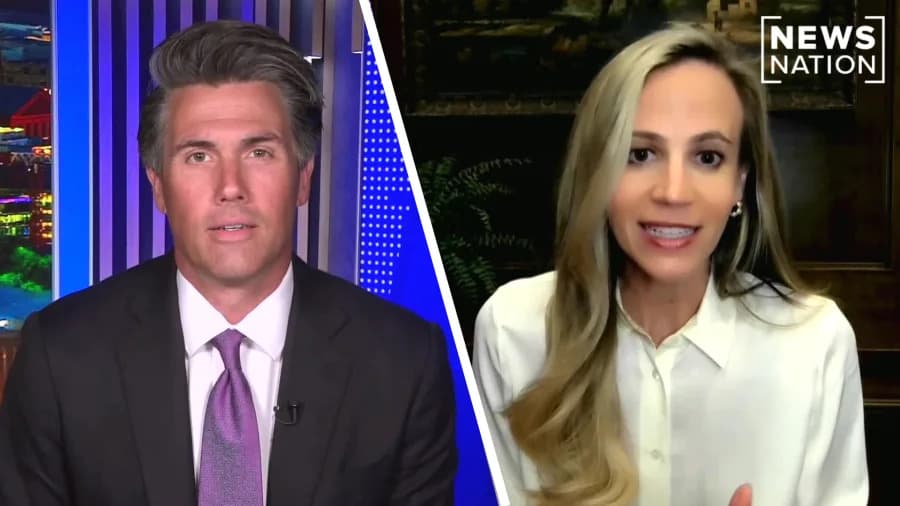
US relatively unprepared for potential drone attacks: Ex-CIA agent
As the 2026 World Cup gets underway, security around the tournament remains under intense scrutiny. A monitoring group reported that an Iran‑linked hacking collective claims to have breached imagery and data from drones used by the FBI and has threatened to target the event, according to a CBS News report.
SITE Intelligence Group, which tracks jihadist and extremist activity, told reporters the hacker group asserted it had months of access to images and information gathered by FBI drones deployed in the field. The group also highlighted the counterterrorism capabilities of those aircraft.
Former CIA officer Tracy Walder said she doubts the FBI's drones were actually compromised, but warned the United States remains relatively unprepared for a potential strike. "My biggest fear is that the people are already here," Walder told the program On Balance, referring to authorities' awareness of and arrests of individuals sympathetic to Iranian causes.
"I understand that they have closed the airspace," she added, "but we forget about their remote abilities to do this."
Before the tournament began, the FBI announced it would deploy drones around match venues to monitor fields and guard against unauthorized aircraft. Regulators have also established no‑fly zones over U.S. stadiums hosting matches and associated fan events.
The Department of Justice has previously warned of heightened cyberattack activity by Iranian actors since the February escalation involving the U.S., Israel and Iran. Officials stress that claims by hacktivist or state‑linked groups require verification and that public reports may overstate access or capability.
Event Scale and Security Challenges
The 2026 World Cup is the largest in the tournament's history: 48 teams will compete in 104 matches across 16 host cities in the United States, Mexico and Canada. The tournament's size, combined venues and international crowds create a complex security environment that includes both physical protection and cyber and electronic surveillance concerns.
What to watch: authorities continue to investigate the hacker group's claims, assess any potential vulnerabilities in drone systems, and enforce airspace restrictions at tournament sites.
Help us improve.





















