The FDA has expanded clearance of Dexcom's Stelo Glucose Biosensor System to include children aged two and older who do not use insulin, making it the first OTC continuous glucose monitor approved for pediatric use. Stelo uses a wearable sensor and smartphone app to deliver readings and trends every 15 minutes; sensors can last up to 15 days, though wear time may be shorter for children. The device can help caregivers track how meals and activity affect glucose but is not designed to alert users to dangerous low blood sugar; consult a provider before changing medications.
FDA Clears Dexcom's Stelo As First OTC Continuous Glucose Monitor Approved For Children

FILE PHOTO: Signage is seen outside of the Food and Drug Administration (FDA) headquarters in White Oak, Maryland, U.S., August 29, 2020. REUTERS/Andrew Kelly/File Photo
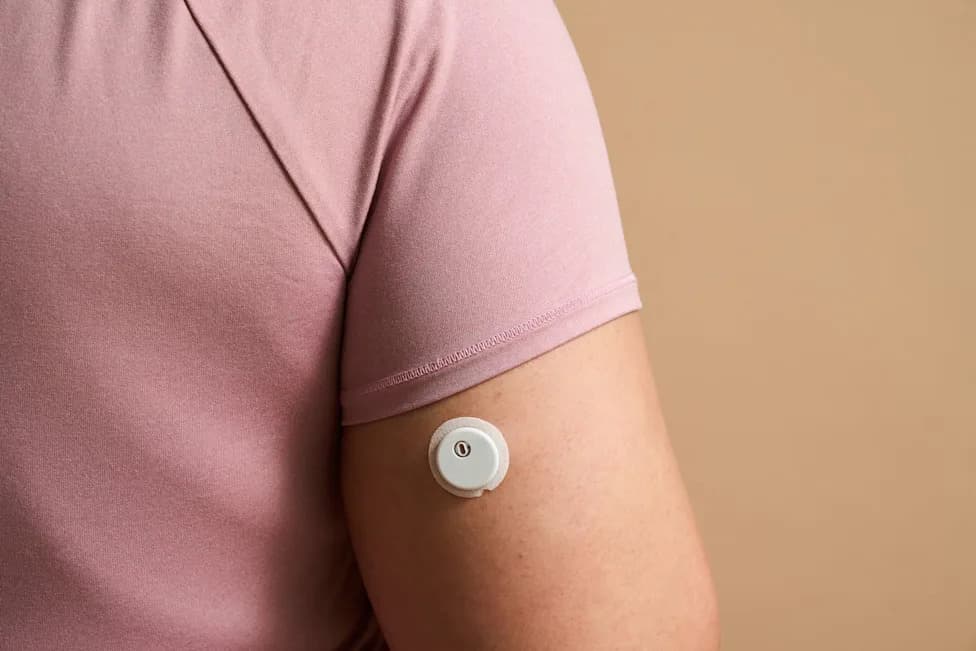
The U.S. Food and Drug Administration has expanded clearance for Dexcom's Stelo Glucose Biosensor System to include children with diabetes, making it the first over‑the‑counter (OTC) continuous glucose monitor authorized for pediatric use.
What The Clearance Covers
Age and Use: The device is cleared for patients aged two years and older who do not use insulin. The FDA previously cleared Stelo for adults aged 18 and older in March 2024.
How Stelo Works
Stelo combines a wearable sensor and a smartphone app to monitor glucose levels, providing readings and trend information every 15 minutes. Each sensor can remain in place for up to 15 days, although the FDA notes that actual wear time may be shorter for children.
Benefits and Intended Users
The FDA said the system can help children and their caregivers better understand how meals, physical activity and other lifestyle factors influence glucose levels. This can improve awareness and routine glucose management for non‑insulin‑using pediatric patients under adult supervision.
Important Safety Notes
- Supervision: Children should use the device under adult supervision.
- Medical Decisions: Users should consult a healthcare provider before changing any medication or treatment based on Stelo readings.
- Hypoglycemia Warning: Stelo is not intended for people with problematic low blood sugar because it is not designed to alert users to dangerous hypoglycemia.
(Reporting by Kunal Das in Bengaluru)
Help us improve.