Voice of Iran, a Khamenei-affiliated outlet, published an editorial arguing that Iran left its recent confrontation with Israel and the U.S. holding greater strategic leverage, particularly over the Strait of Hormuz. The piece accuses President Donald Trump of boastful rhetoric but practical restraint and claims Washington faces a "strategic deadlock." It also frames Hezbollah as an integral element of Iran's security equation and says Tehran will not revert to prewar arrangements.
Khamenei Editorial: Iran Says It Gained Leverage — "No Retreat on Hormuz, No Deal With Trump"
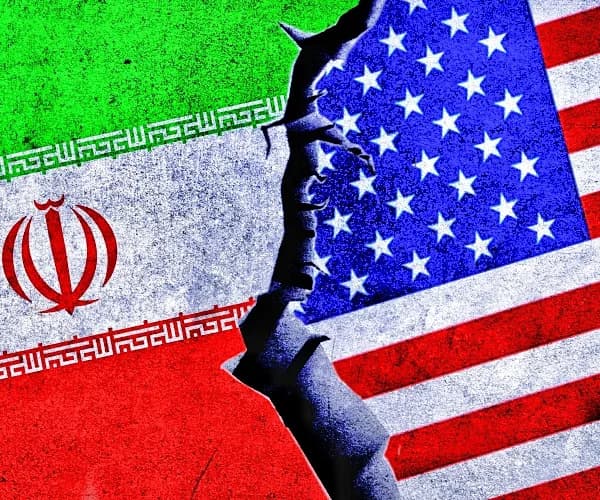
(Dreamstime)
An editorial published this week on the Khamenei-affiliated website Voice of Iran lays out Tehran's postwar narrative after its recent confrontation with Israel and the United States. Titled "A New Security Equation: From Hormuz to Beirut," the piece argues that, despite suffering damage, Iran emerged from the conflict with increased strategic leverage.
Key Claims: The editorial accuses U.S. President Donald Trump of making loud threats but being constrained in practice, contends the White House faces a "strategic deadlock," and says Tehran will continue to use leverage over the Strait of Hormuz while deepening ties with Hezbollah and other allied resistance groups.
"The president of the United States speaks more about his dreams than about realities... Tough talk in words; retreat in action."
The piece contends that U.S. military options are limited after the 40-day confrontation and that American plans for a quick resolution failed. According to the editorial, the conflict opened opportunities for Iran to press security and geopolitical goals, notably citing "control over the Strait of Hormuz" as a strengthened asset. It also frames Hezbollah as part of Iran's "security equation," asserting that "defending Iran is equivalent to defending the Islamic Resistance in Lebanon."
What the Editorial Actually Says
The article positions Voice of Iran as a corrective to competing wartime narratives, dedicated to clarifying reality as portrayed by Iran's leadership. It portrays Iran as refusing to return to the prewar status quo — on Hormuz, on the U.S. military presence, and on relationships with resistance groups — and presents closer Iran–Hezbollah integration as a lasting outcome of the conflict.
Context and Caveats
Source and Perspective: The editorial is a Tehran-backed narrative from a Khamenei-affiliated outlet, not an independent analysis. Its claims reflect Iran's framing of events and objectives rather than verified assessments of regional power dynamics.
Implications: If Tehran acts on this framing, potential outcomes include more deliberate use of maritime leverage in the Strait of Hormuz, deeper operational and rhetorical alignment with Hezbollah, and continued messaging that portrays Washington as losing strategic momentum in the region.
Note: The original editorial dedicates the issue to Brigadier General Martyr Morteza Jamali, whom it says was killed in a U.S.–Israeli strike during a prior phase of the conflict.
Help us improve.