NATO’s senior military commander is revising contingency plans after the Pentagon signalled it will reduce some aircraft and naval commitments to focus on Indo‑Pacific priorities. The NATO Force Model lays out assets for the first six months of any conflict, but allies met in early June to assess resulting capability gaps. Gen. Alex Grynkewich urged European states and Canada to quickly supply aircraft—manned and unmanned—and naval vessels to fill shortfalls ahead of a July summit. NATO also announced a re‑optimization of KFOR in Kosovo while intelligence suggests Russia is not currently seeking conflict with NATO, though risks could grow in 3–5 years.
NATO Revises Defense Plans As U.S. Scales Back Aircraft And Warships — Allies Urged To Fill Gaps
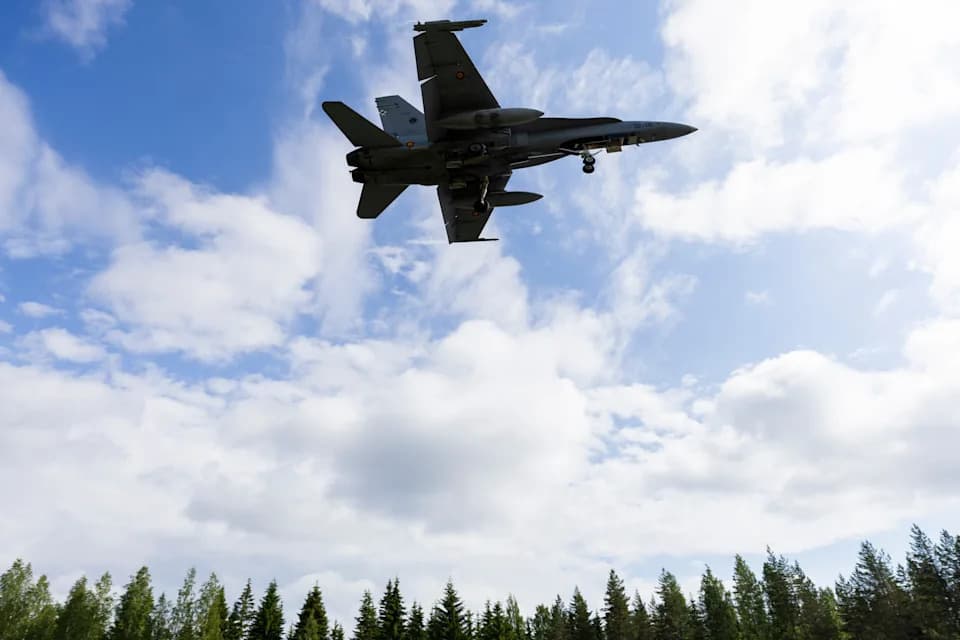
A F/A-18 Hornet multi-role fighter of the Finnish Air Force lands on a road strip during NATO's Ramstein Flag 26 exercise in Tervo, Finland, Wednesday June 10, 2026. (Matias Honkamaa/Lehtikuva via AP)(Matias Honkamaa/Lehtikuva via AP)
BRUSSELS — NATO’s top military officer is reviewing alternative defence arrangements for Europe after the United States informed allies it will reduce the number of aircraft and warships it can commit in a security crisis.
What The NATO Force Model Says
The alliance’s primary planning framework, the NATO Force Model, describes the forces that the 32 member nations should make available in peacetime, crisis and war, and specifies which assets commanders can call upon during the phased response across the first six months of a conflict.
U.S. Drawdown And Allied Response
Last month the Pentagon warned NATO partners it is scaling down some commitments to concentrate on potential challenges elsewhere, most notably perceived threats in the Indo‑Pacific. European capitals and Canada had expected reductions after Washington signalled Europe was no longer its top security priority, but the precise scope and timing of cuts were unclear.
U.S. Gen. Alex Grynkewich, NATO’s Supreme Allied Commander, told attendees at the ILA Berlin Air Show that "the United States is still committed to providing limited but critical capabilities to the alliance." He added that priority capabilities should be those that can be acquired and fielded quickly, scaled up rapidly and sustained over time — such as long‑range fires and unmanned systems like drones.
After allies met on June 2–3 to assess the security gaps created by the U.S. drawdown, Grynkewich urged European nations and Canada to step in "now and in the near term" by supplying both manned and unmanned aircraft and additional naval vessels to backfill shortages.
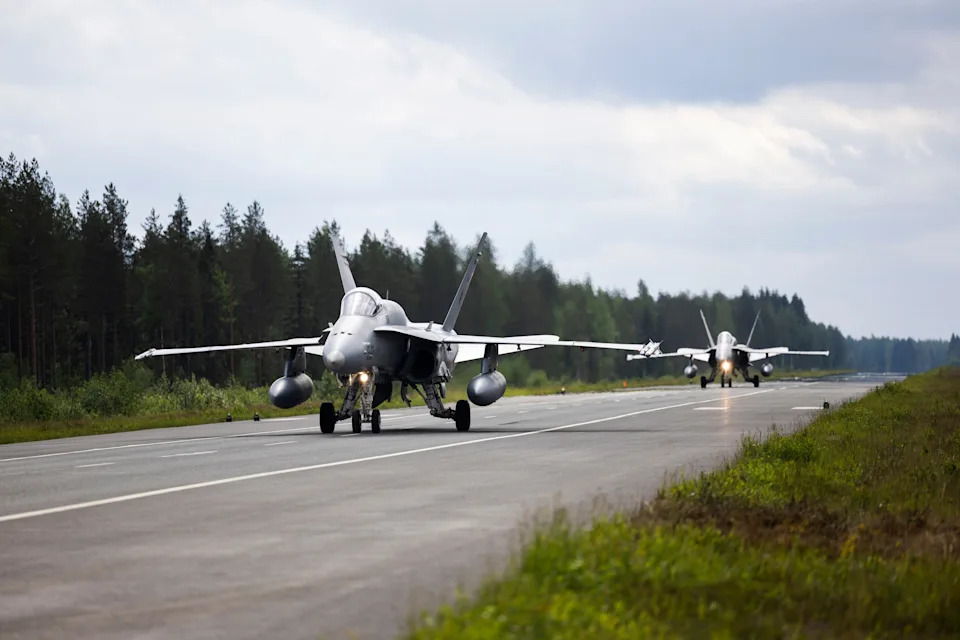
F/A-18 Hornet multi-role fighters of the Finnish Air Force take off from a road strip during NATO's Ramstein Flag 26 exercise in Tervo, Finland, Wednesday June 10, 2026. (Matias Honkamaa/Lehtikuva via AP)(Matias Honkamaa/Lehtikuva via AP)
Possible Withdrawals And Gaps
While the full details of Washington’s reductions remain classified, media reports in Germany and the United States suggest that an aircraft carrier and its carrier strike group, a submarine, aerial refuelling tankers and dozens of fighter jets could be withdrawn from the European theatre. These platforms are relatively scarce in Europe, and rapid replacements may be difficult to find.
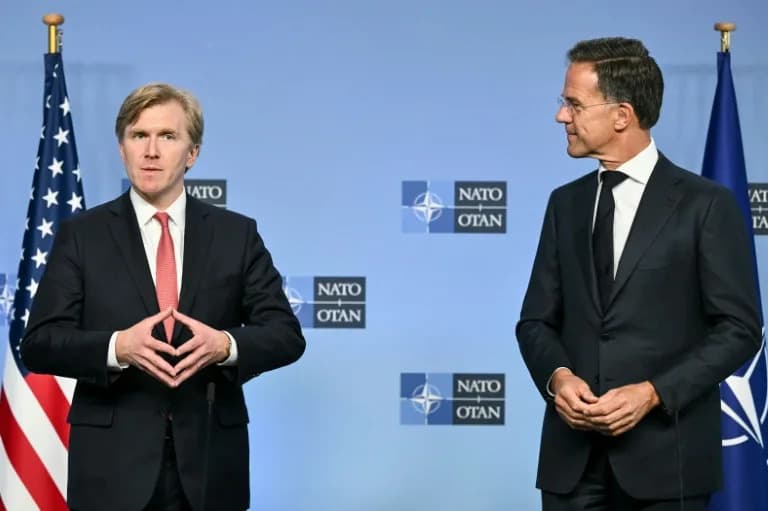
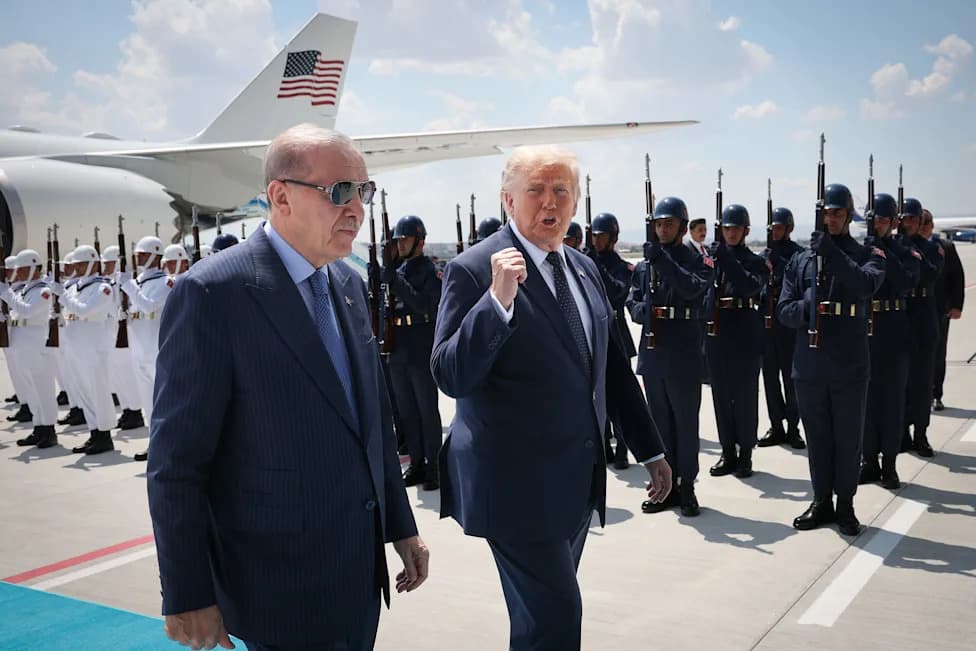
Washington has asked allies to clarify how they will fill those capability gaps ahead of a NATO leaders’ summit in Turkey scheduled for July 7–8.
KFOR Adjustment In Kosovo
Separately, NATO’s military headquarters announced it will reduce and re‑optimize its security presence in Kosovo by withdrawing some troops and equipment from KFOR, the peacekeeping force deployed in 1999. Once about 50,000 strong, KFOR has been steadily drawn down as tensions eased; however, 1,000 additional troops were deployed in 2023 after renewed violence.
Grynkewich said the move aims at "optimization" to ensure safety and security across Kosovo and the wider region. NATO declined to specify which contingents might leave or whether U.S. personnel would be affected. The United States currently contributes some 590 troops to KFOR, second only to Italy.
Risk Assessment
Intelligence reporting and observed Russian troop movements led Grynkewich to say that, at present, "Russia is not looking for a conflict with NATO." He noted Russia remains committed to its war in Ukraine and faces recruitment challenges. Nonetheless, European governments and intelligence services warn that Russian President Vladimir Putin could be in a position to threaten other parts of Europe within three to five years, particularly if Russia prevails in Ukraine.
The near‑term focus for NATO leaders will be how allies can rapidly plug capability shortfalls while maintaining credible deterrence across the Alliance.
Help us improve.