Astrocytes — star-shaped glial cells long viewed as support cells — are emerging as active participants in neural computation and behavior. Animal studies in flies, zebrafish, and mice link astrocytes to calcium-based signaling that can shape fear, anxiety, perseverance, and responses to stress hormones. Although most evidence comes from animal models and human imaging remains limited, astrocytes represent promising targets for future therapies for neurodegenerative and psychiatric conditions.
The Brain’s “Dark Matter”: How Astrocytes Could Rewrite Our Ideas About Consciousness, Behavior and Decision-Making
This ‘Dark Matter’ Is What Controls Your BrainGetty Images
Our brains determine who we are and how we behave, yet much about their operation remains mysterious. Recent research is shifting attention from neurons alone to tiny, star-shaped glial cells called astrocytes. Once considered mere support cells, astrocytes now appear to play active roles in shaping neural circuits, emotion, persistence, and responses to stress — findings that could reshape how we understand consciousness and point to new treatments for brain disorders.
What Are Astrocytes?
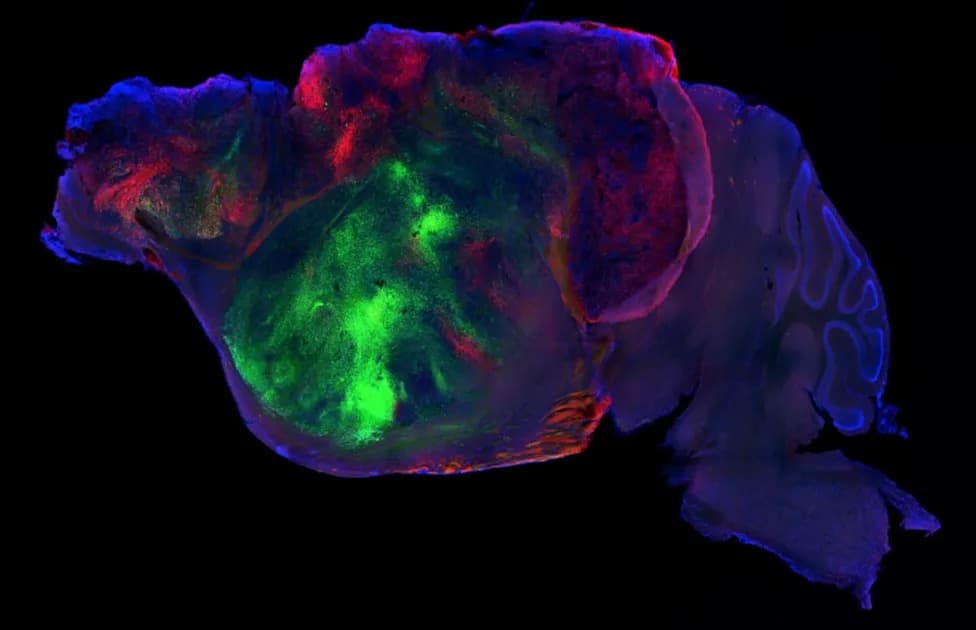
Astrocytes are a major class of glial cells that physically surround neurons and synapses. The term glia comes from the Greek for "glue," reflecting the long-standing belief that these cells mainly provide structural and metabolic support. Glial cells account for roughly nine of every ten cells in the brain, and astrocytes help supply nutrients, maintain chemical balance, clear cellular debris, and repair injury. But mounting evidence shows they also communicate with neurons and influence circuit function.
Key Discoveries That Changed the View
Interest in astrocytes grew when researchers observed astrocytic calcium signaling that coincided with neuronal activity — a hint that astrocytes do more than passively observe. In 2016, Freeman and colleagues published work in Nature showing that astrocytes in fruit flies can alter neuron function and are essential for several sensory-driven behaviors. Subsequent studies across species have continued to strengthen this view.
“An emerging notion that astrocytes directly participate in behavior, cognition, and brain computation by actively shaping neuronal circuit activity is certainly turning conventional wisdom upside down.” — Thomas Papouin, PhD
Behavioral Roles Revealed in Animal Studies
Cross-species research has revealed striking examples of astrocytic influence on behavior: in 2019, Misha Ahrens and colleagues showed in zebrafish that astrocytes detect repeated "failure" signals and can shut down motor circuits when attempts to move repeatedly fail — a switch from perseverance to giving up. Follow-up work indicated ketamine can reactivate astrocytic circuits and reverse that giving-up behavior in fish.
More recently, studies in mice report that astrocytes respond to norepinephrine and dynamically modulate neuronal activity depending on brain state. Together, these experiments suggest astrocytes contribute to fear and anxiety encoding, emotional regulation, and other complex processes.
Limits and Cautions
Almost all direct evidence so far comes from animal models (flies, fish, mice). Studying astrocytes in living humans remains difficult because noninvasive human imaging primarily measures indirect signals like blood flow, and invasive recordings are rare and situational. Conserved findings across species increase confidence that similar astrocyte functions exist in humans, but translation requires careful validation.
Therapeutic Potential
Because astrocytes help maintain neuronal function and modulate circuits, they are attractive targets for new therapies for neurodegenerative diseases, psychiatric disorders, and brain injury. Researchers caution that much work remains to understand mechanisms and potential side effects before clinical applications emerge.
Practical Takeaways
For the general public, there is no specific action to "support" astrocytes directly. Maintaining overall brain health through good sleep, regular exercise, a balanced diet, and managing cardiovascular risk factors remains the best approach. As researchers learn more, targeted interventions aimed at astrocytes may become part of future treatments.
Bottom line: Astrocytes were once overlooked housekeeping cells. New evidence positions them as active players in brain computation and behavior, with significant implications for neuroscience and medicine — but most findings are preclinical and require translation to humans.
Help us improve.