UC Berkeley humanities professors report reducing assigned reading, substituting excerpts for full books and redesigning syllabuses because many students struggle with heavy reading loads. Some instructors say weekly page expectations for upper-division history courses have fallen from roughly 100 pages to about 35, while others maintain traditional requirements. The shift has sparked broader UC-wide concerns about academic preparedness, prompting a review of admissions policies and whether to reinstate SAT/ACT tests.
Top California Professors Slash Reading Loads as Many Students Struggle With Text-Heavy Courses
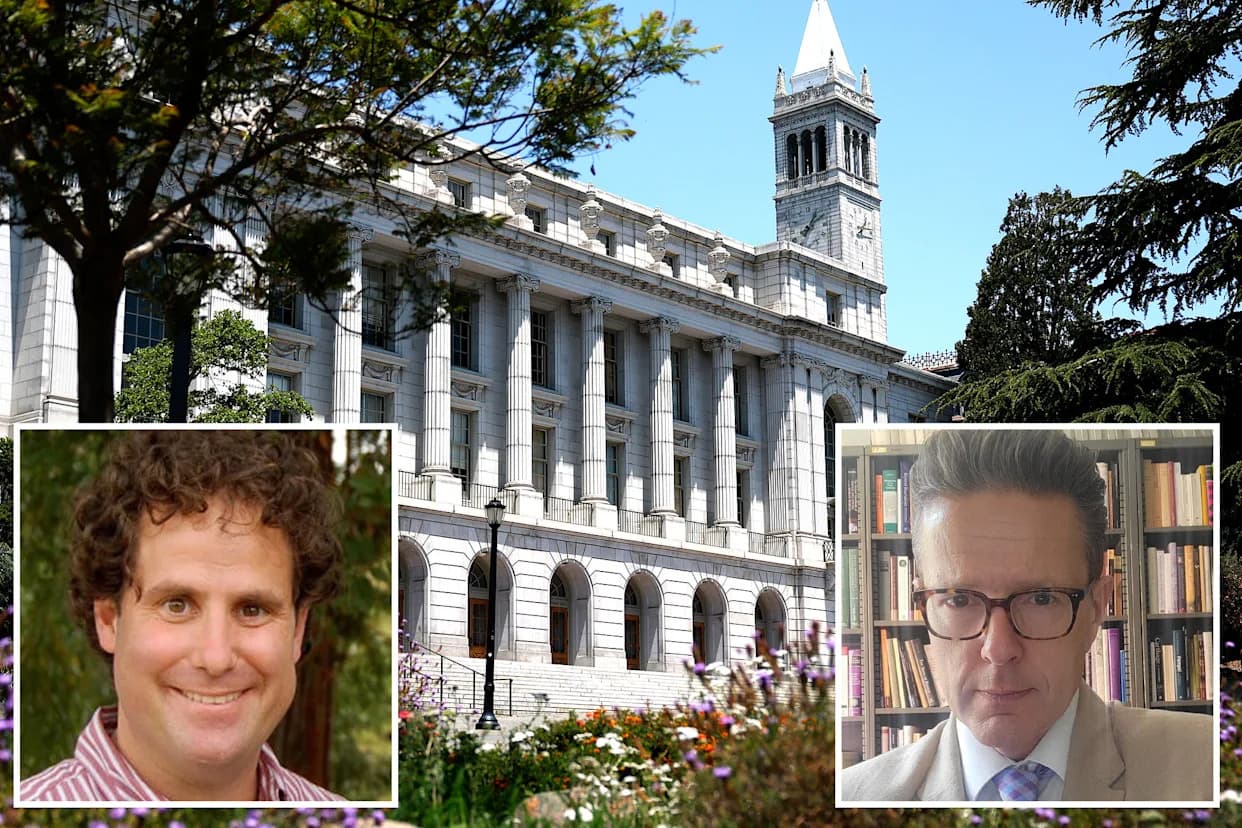
Humanities faculty at the University of California, Berkeley say they have been forced to cut assigned reading, substitute full books with excerpts and redesign syllabuses because an increasing number of students cannot keep up with reading-intensive courses.

Professors are rethinking coursework as students increasingly struggle to keep up with reading-heavy classes. saksit – stock.adobe.com
In interviews with the student newspaper The Daily Californian, several instructors described a gradual decline in reading expectations over the past two decades. Professors say they have reduced page counts and rethought assignments to preserve substantive classroom discussion as completion rates fall.

Carlos Noreña, a history professor specializing in ancient history, said the amount of reading he can reasonably assign has fallen dramatically since he joined the Berkeley faculty in 2005. .berkeley.edu
Professors Report Dramatic Reductions
Carlos Noreña, a Berkeley historian who specializes in ancient history, said the volume of reading he can reasonably require has fallen sharply since he joined the faculty in 2005. "We are now reaching a crisis point where if the number (of pages) goes down further, it’s unclear to me whether my discipline of history can really be taught," Noreña said.
Mark Brilliant, who teaches California and Western American history, said a course that once required students to read seven complete books now relies entirely on selected excerpts. berkeley.edu
From 100 Pages To About 35
Noreña said upper-division students once faced roughly 100 pages of assigned reading per week; for a course he plans to teach this fall, that weekly total will be closer to 35 pages.
Other instructors reported similar adjustments. One professor, identified as Brilliant, said part of the change aims to lower students’ costs for purchasing books and part is a response to perceived limits on how much reading students will actually do.
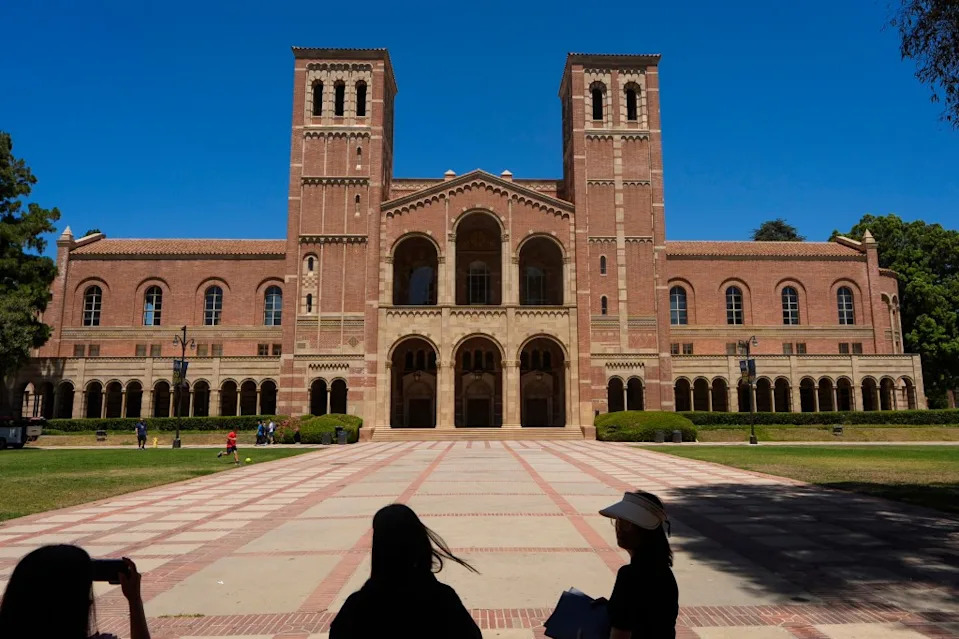
The discussion comes as UC faculty elsewhere have raised alarms about academic preparedness. AP
Disagreements And New Concerns
Not all faculty agree that students read less than earlier generations. English professor Grace Lavery said she has maintained—or in some cases increased—reading expectations, noting that long, difficult texts such as Dickens naturally pose challenges regardless of era.

Professors reported making adjustments to weekly reading assignments. caftor – stock.adobe.com
Several professors also expressed concern about students relying on artificial intelligence tools to summarize texts instead of engaging directly with primary material. "I found that very upsetting, because I’ve read the AI summary of my own book, and it’s all wrong," said history professor Trevor Jackson. "Even a good summary is still not grappling with the text."
Wider UC System Implications
The debate at Berkeley reflects broader worries across the University of California system about incoming students’ academic readiness. The UC announced a study into whether to reinstate SAT and ACT testing requirements—six years after they were removed—following pressure from more than 1,400 faculty who say many new students lack the skills needed for rigorous coursework.
A 2025 report from University of California, San Diego found a sharp rise in incoming students whose math skills tested below high-school level. UC Academic Senate Chair Ahmet Palazoglu said the system recognizes that "academic preparedness for college is a growing challenge" and will spend the coming year examining potential changes to admissions standards or high-school course requirements.
What This Means For Students
Faculty leaders say the changes affect course design, evaluation and the kinds of in-class conversations instructors can sustain. Professors must balance academic standards with accessibility, textbook costs and new learning behaviors—creating a fraught environment for humanities courses that rely heavily on close reading.
Help us improve.