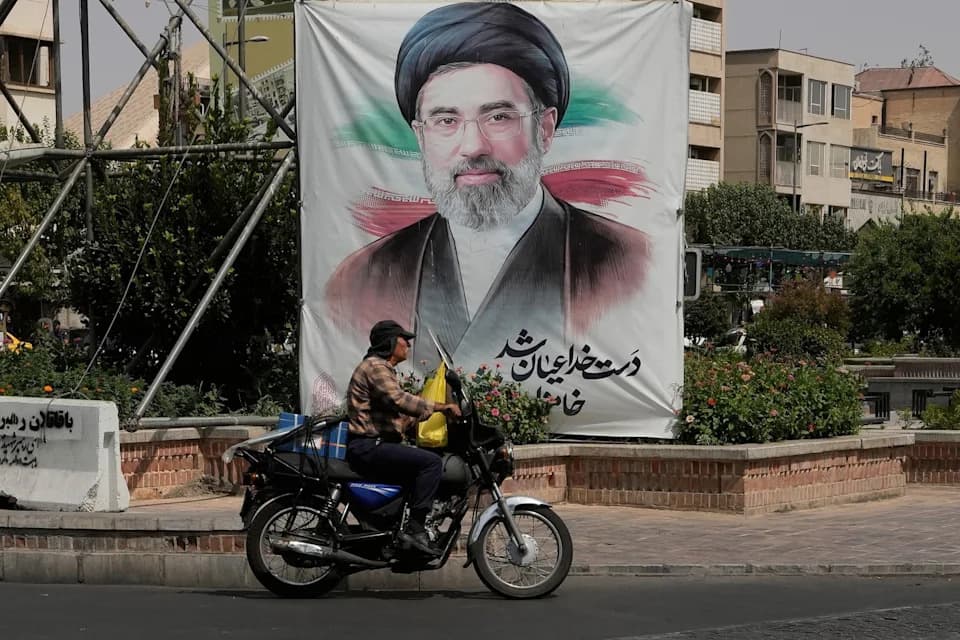
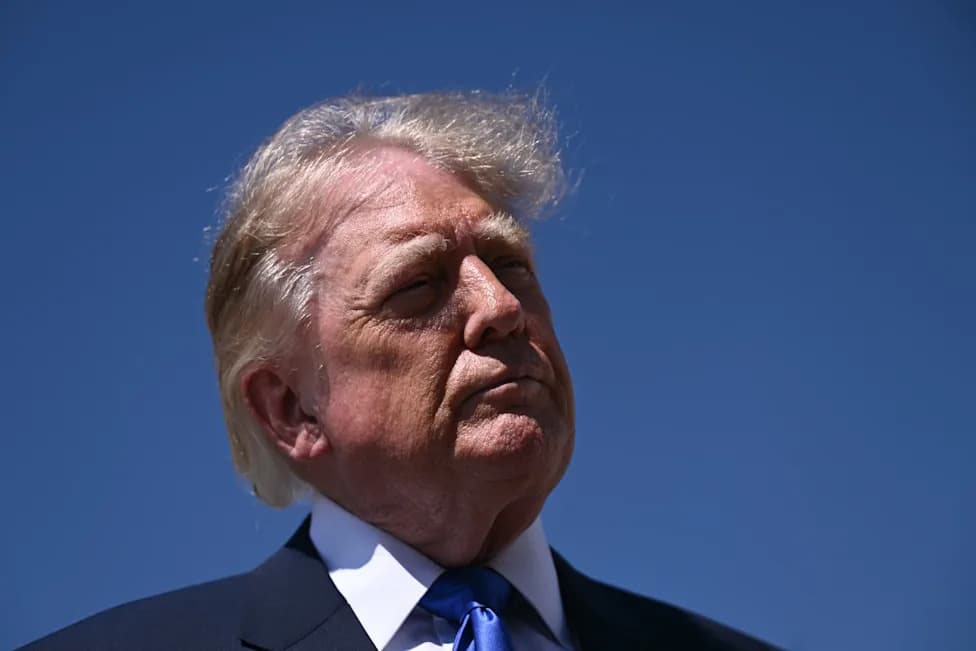
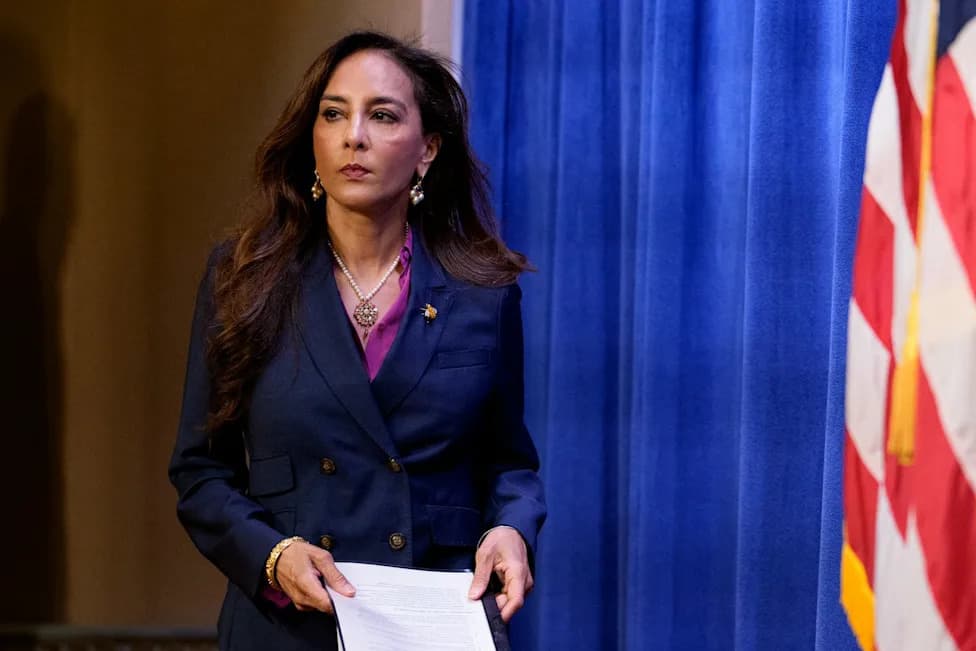
Donald Trump has repeatedly claimed the Iran conflict is about to end, most recently saying it would conclude in “two or three days.” Within a day of that prediction, Iran shot down a U.S. helicopter and U.S. forces responded, underscoring ongoing hostilities. Trump’s pattern of alternating threats, negotiations and optimistic timelines has so far failed to produce a durable cease-fire, and the disruption of the Strait of Hormuz continues to carry major economic risks.
Trump Repeats ‘War Will End Soon’ Claims as Fighting and Threats Continue
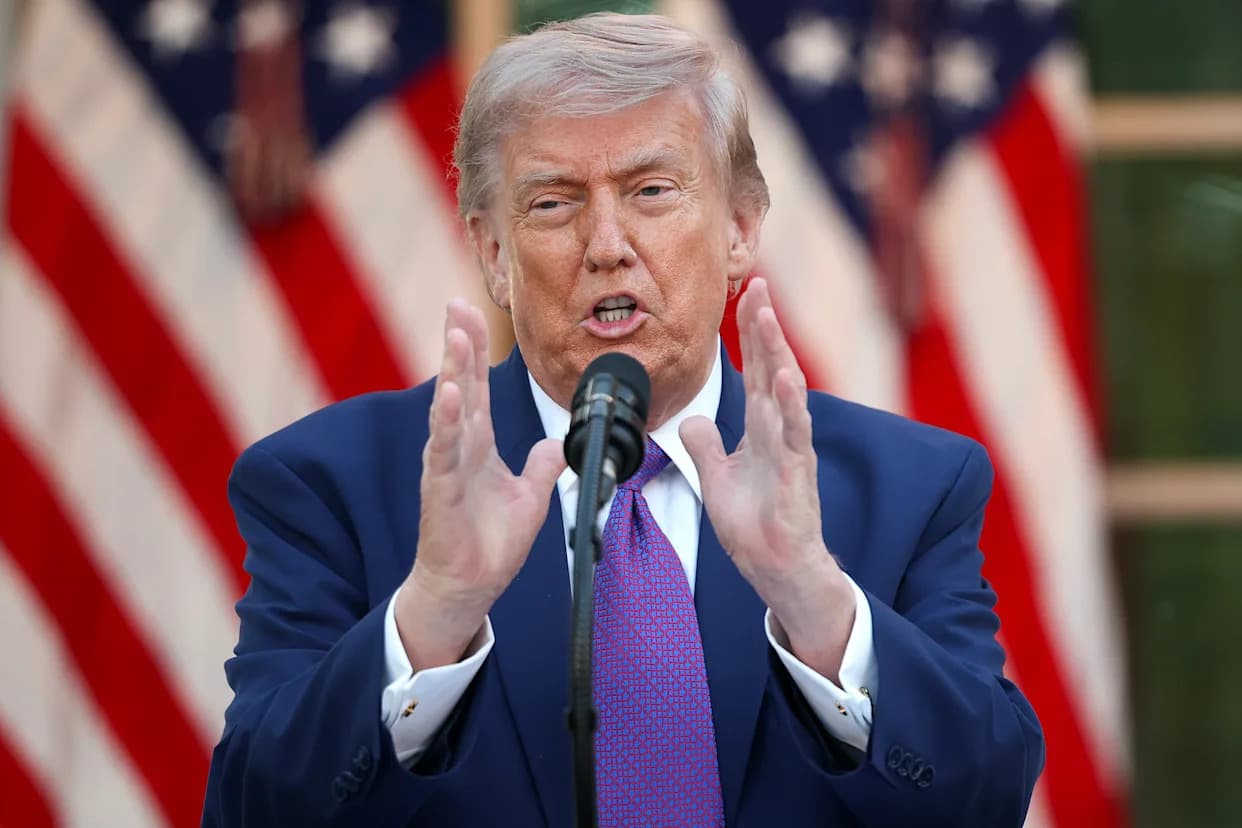
Donald Trump told reporters that the Iran conflict would be over in “two or three days,” insisting there were no “sticking points” and that negotiators were close to “a very, very good, strong, powerful deal.” Yet within a day of that prediction Iran shot down a U.S. helicopter and U.S. forces responded — the latest episode in a pattern of mixed messaging, threats and shifting timelines from the president.
While a negotiated resolution between the United States and Iran remains possible, the public record shows repeated, optimistic pronouncements from Trump that have not matched events on the ground. Since the U.S. and Israel launched a joint offensive in late February, the conflict has disrupted global oil flows (including a closure of the Strait of Hormuz), strained the world economy and contributed to rising living costs and falling presidential approval ratings.
Why Skepticism Is Warranted
Mixed signals: Trump has alternated between threats of overwhelming force, public appeals for a cease-fire, and claims that talks are nearing conclusion. That inconsistency undermines confidence that his public optimism reflects a durable, negotiated settlement.
Escalatory actions: Threats to strike Iranian power plants, seize Kharg Island, or “obliterate” energy infrastructure raise the risk of renewed fighting even as negotiations proceed.
Economic stakes: The closure and disruption of shipping through the Strait of Hormuz has immediate global economic consequences by choking oil supplies and raising energy prices.
Timeline (Selected Statements and Events)
March 1: A day after launching the offensive, Trump told The New York Times the war would last “four to five weeks” and “won’t be difficult.”
March 5–19: A string of confident remarks followed — claiming the U.S. and Israeli forces were “totally demolishing” the enemy, predicting a quick end, saying “we’ve won” and asserting the conflict could be ended “in two seconds” if desired.
March 21–23: On Truth Social Trump issued ultimata about reopening the Strait of Hormuz, then two days later claimed “very good and productive conversations” and announced a five-day pause on strikes against Iranian energy infrastructure.
March 30–April 8: Trump alternated between threatening to “blow up” Iranian infrastructure if the strait remained closed and promising reconstruction assistance and a quick resolution, even as Iran and U.S. forces exchanged strikes.
June 8–11: Trump said a deal was imminent “in two or three days.” The next day Iran shot down a U.S. helicopter over the Strait of Hormuz and U.S. forces responded. By June 11 he warned the U.S. would be “hitting Iran VERY HARD” and suggested taking Kharg Island and other oil infrastructure points.
Bottom Line
Trump’s repeated assurances that “this will be over soon” have not prevented further escalation. The pattern of alternating threats and conciliatory statements — made publicly, often on social media — suggests that timelines announced by the president should be treated with caution. A genuine, stable peace would require sustained diplomacy and concrete agreements, not only public pronouncements.
Note: This article compiles public statements and reported events to summarize the course of diplomatic and military developments. Quotes and dates reflect the public record as reported by major outlets and official statements.
Help us improve.