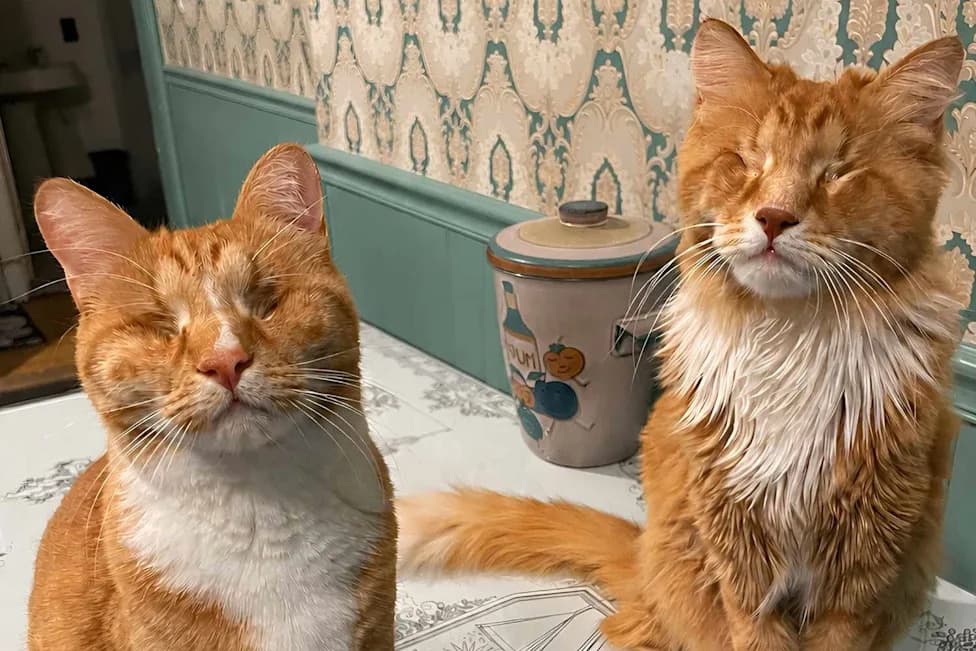
Two independent teams traced orange fur in cats to a 5.1-kilobase deletion in the first intron of ARHGAP36 on the X chromosome. The deletion removes a pigment-cell-specific regulatory element, causing ~13-fold overexpression of ARHGAP36 in melanocytes and shifting pigment synthesis from eumelanin to pheomelanin. This X-linked regulatory change explains why most orange cats are male and why calico and tortoiseshell females show patchwork coats via X-chromosome inactivation.
How One Genetic Switch Makes Cats Orange — And Explains Calico and Tortoiseshell Coats
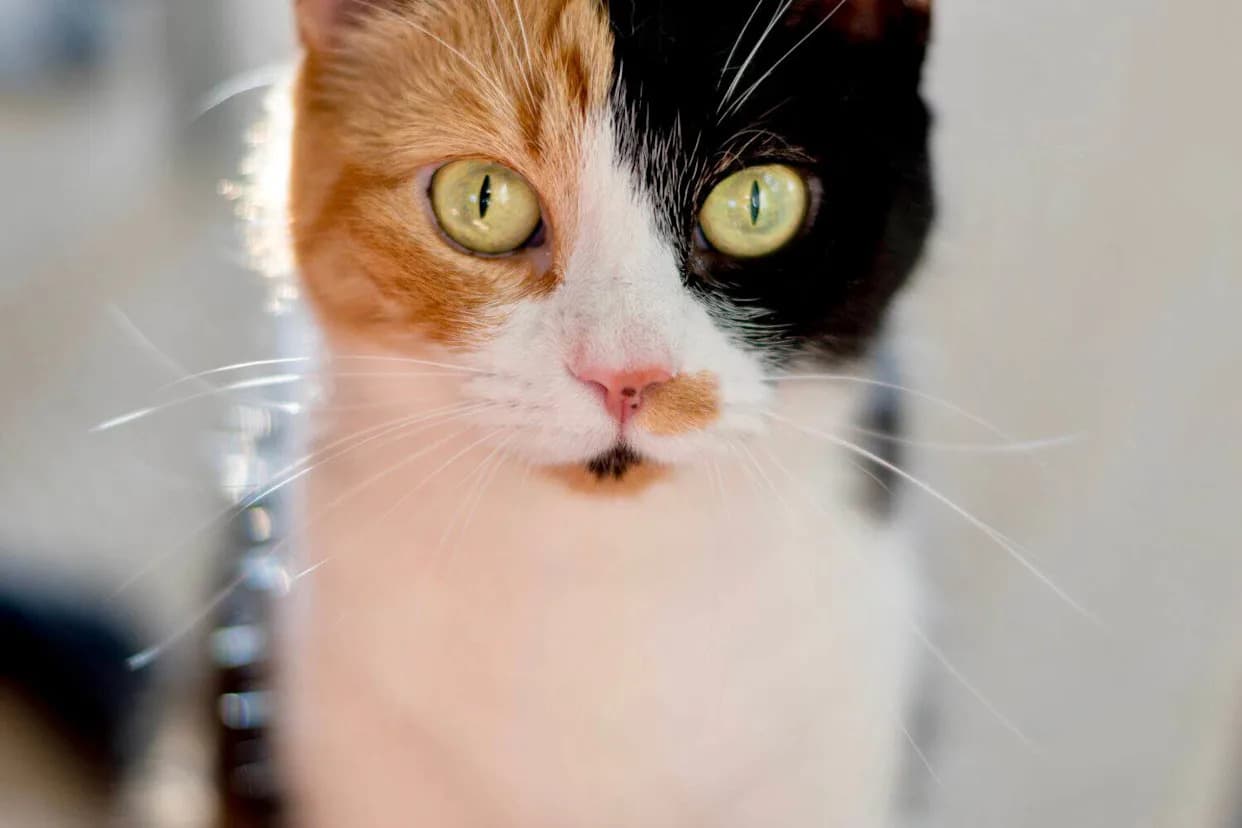
Calico cat eyes© Michele Walls/Shutterstock.com
Orange (ginger) cats are instantly recognizable — but until recently, the exact genetic cause of their warm coats was a mystery. Two independent research teams have now pinpointed a single, subtle regulatory change that flips pigment production from dark to red-yellow tones, explaining why most orange cats are male and why calico and tortoiseshell patterns form.
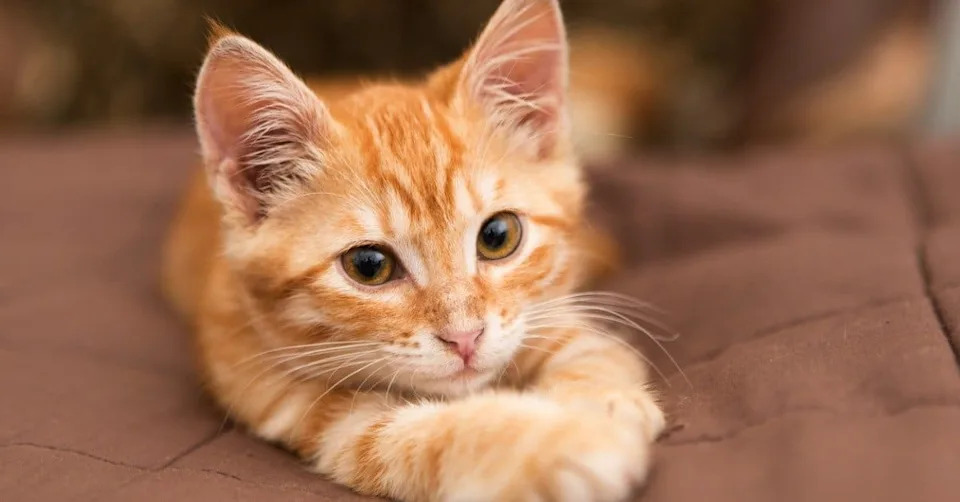
The genetic mutation that results in orange fur does not harm cats in any way.©iStock.com/Okssi68
What the researchers found
In late 2024, teams led by Toh et al. and Kaelin et al. posted complementary preprints on bioRxiv; their results were later corroborated in peer-reviewed papers published in 2025. Using genome-wide association studies (GWAS), linkage mapping and PacBio long-read sequencing, both groups traced the orange coat trait to a 5.1-kilobase deletion inside the first intron of ARHGAP36 on the X chromosome.
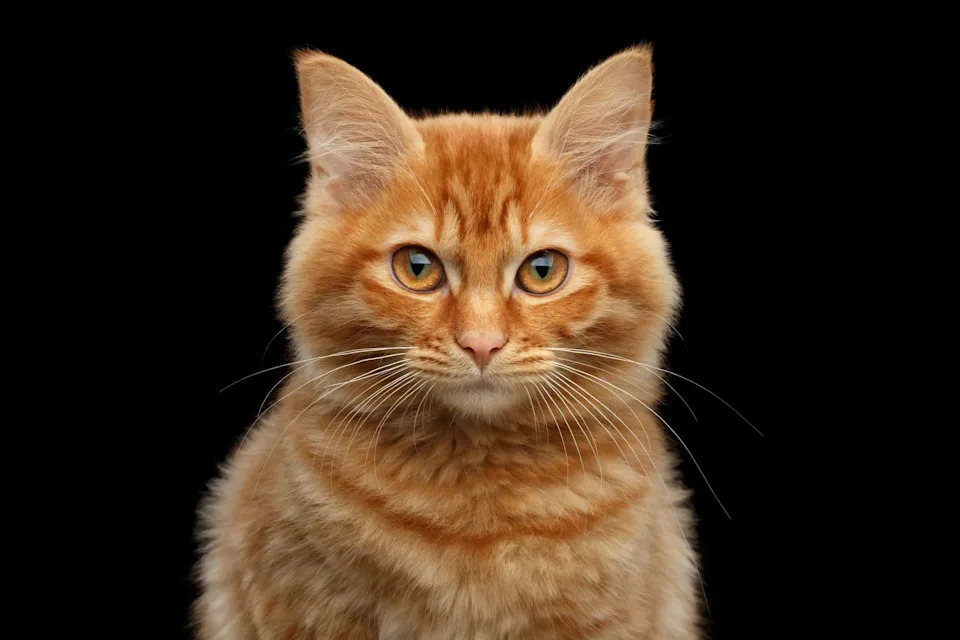
Orange or “ginger” cats are famous for having outgoing and vibrant personalities.©iStock.com/Seregraff
Not a broken gene — a regulatory switch
Crucially, the deletion does not alter the ARHGAP36 protein. Instead, it removes a regulatory element that normally keeps ARHGAP36 switched off in melanocytes (the pigment-producing cells in hair follicles). Without that control, ARHGAP36 becomes highly overexpressed in those cells — roughly 13-fold more RNA — while remaining regulated in other tissues.
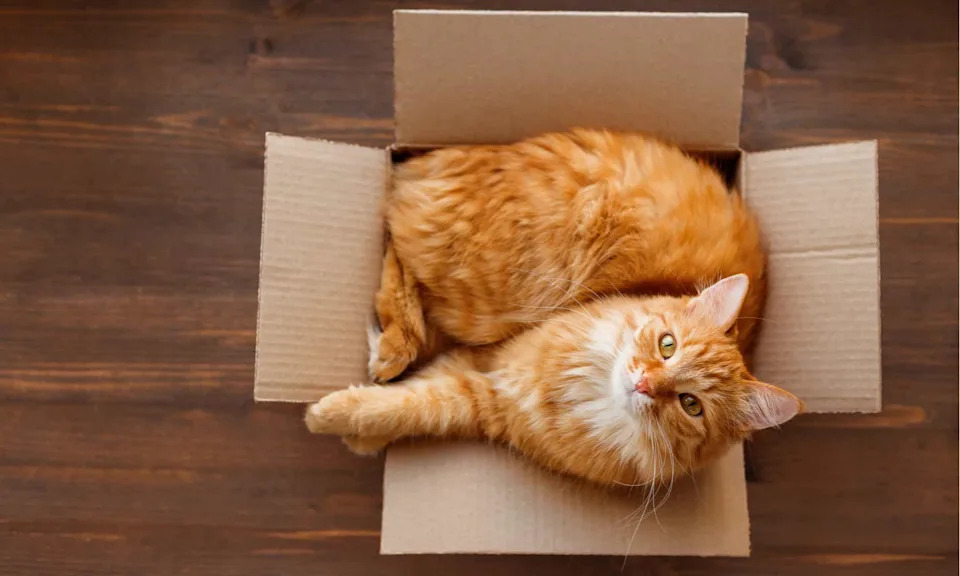
All orange cats are tabbies.©Konstantin Aksenov/Shutterstock.com
How pigment changes from dark to ginger
Melanocytes typically favor production of eumelanin (black/brown pigment). Overactive ARHGAP36 suppresses key signaling molecules and enzymes required for eumelanin synthesis, redirecting pigment production toward pheomelanin, the red-yellow pigment. The result is the familiar ginger or orange coat rather than a new pigment type.
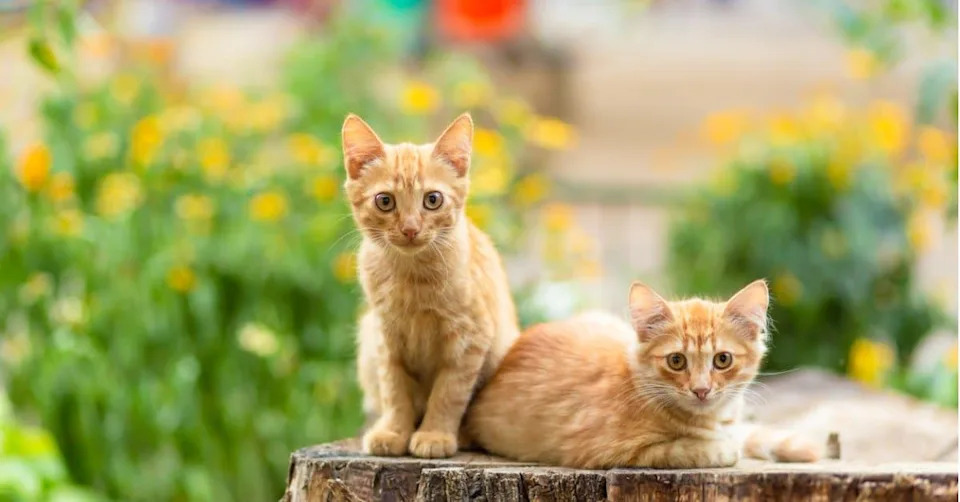
Female orange cats are much rarer than males.©iStock.com/Kateryna Kukota
Why most orange cats are male
Because the ARHGAP36 variant sits on the X chromosome, inheritance follows classic X-linked rules. Males (XY) need only one copy of the orange X to be fully orange, whereas females (XX) generally must inherit the orange allele on both X chromosomes to be uniformly orange. This explains why roughly ~80% of orange cats are male.
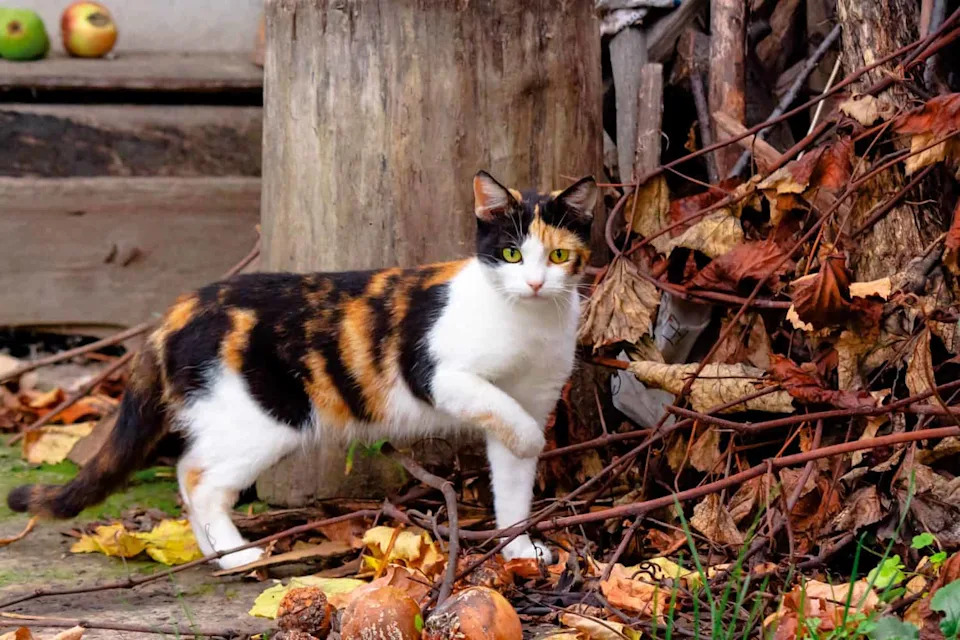
Male calico cats are extremely rare.©Mike Pellinni/Shutterstock.com
Calico and tortoiseshell: a mosaic from X inactivation
Calico and tortoiseshell females typically carry one orange X and one non-orange X (XOX+). During early embryonic development, random X-chromosome inactivation silences one X in each cell lineage. The teams found evidence that ARHGAP36 is subject to X inactivation (via differential DNA methylation), producing a patchwork: regions expressing the orange X produce pheomelanin, while regions expressing the non-orange X produce eumelanin.
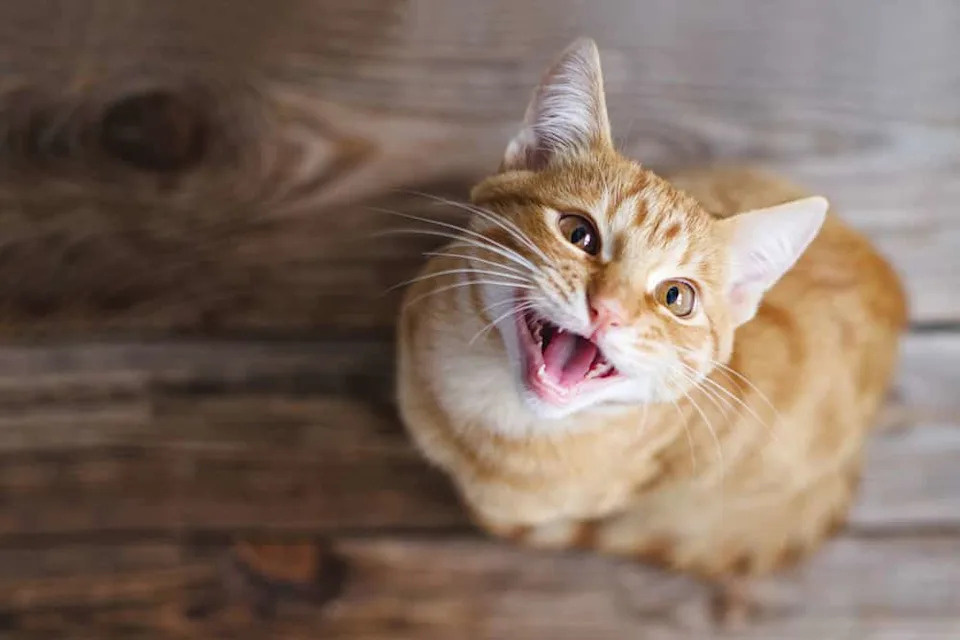
Orange cats can occur in many different cat breeds.©savitskaya iryna/Shutterstock.com
Broader significance
The identical 5.1-kb deletion has been found in orange cats from widely separated populations, suggesting a single evolutionary origin. Because the deletion selectively alters pigment-cell regulation without disrupting ARHGAP36 function elsewhere, it appears not to harm cat health. Beyond solving a century-old genetics puzzle, the finding identifies ARHGAP36 as an unexpected regulator of melanocyte biology and provides a new model for studying cell signaling and development.
Techniques used: Genome-wide association studies, linkage mapping, PacBio long-read sequencing, gene expression and DNA methylation analysis.
These discoveries explain familiar coat-color patterns and open new lines of research into how regulatory DNA controls cell behavior during development and disease.
Help us improve.