South Korea is deploying AI-powered dolls and robots to help alleviate isolation among its growing elderly population. Devices like Hyodol—designed from interviews with seniors and using conversational AI—greet users, sing, remind them about meals and medication, and provide grandchild-like affection. About 14,500 Hyodol units are in use amid rising concern over lonely deaths (3,920 in 2024) and a high share of single-person households. Caregivers report improved mood, but experts warn the technology should complement, not replace, human contact.
AI Dolls and Robots Help Combat Loneliness Among South Korea’s Elderly
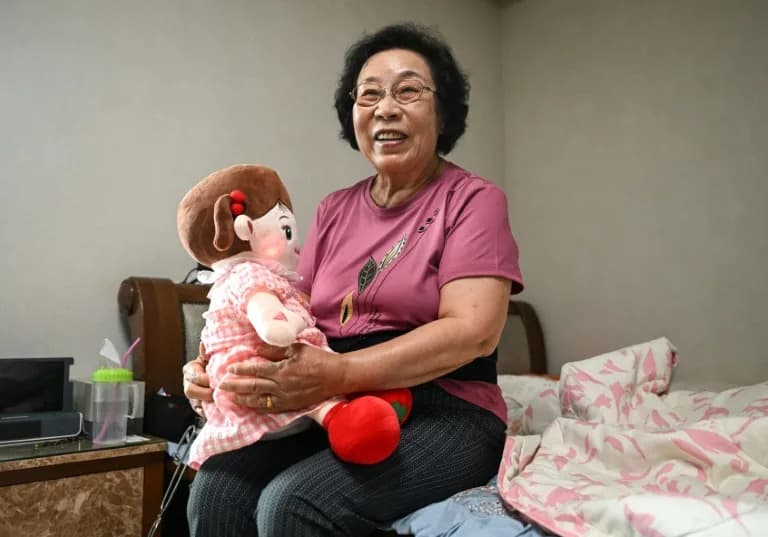
Bang Chun-ja, a South Korean elderly woman living alone, holds Hyodol, an AI-powered healthcare doll designed for elderly people, during an interview with AFP at her home in Yongin (Jung Yeon-je)(Jung Yeon-je/AFP/AFP)
In a small apartment in Yongin, South Korea, 78-year-old Bang Chun-ja has found steady company in an AI-powered doll named Hyodol. The plush, pigtail-wearing companion greets her when she returns, sings when she is bored, reminds her to take meals and medication, and offers affectionate reassurances that, Bang says, she sometimes prefers to human company.
Tech Designed From Listening
Hyodol was developed by a startup that spent years interviewing seniors about their emotional needs. Company head Kim Ji-hee says the doll combines scripted lines shaped by those interviews with conversational AI (including ChatGPT-based capabilities) to create a grandchild‑like presence that aims to make older users feel needed and cared for.
Wider Rollout and Uses
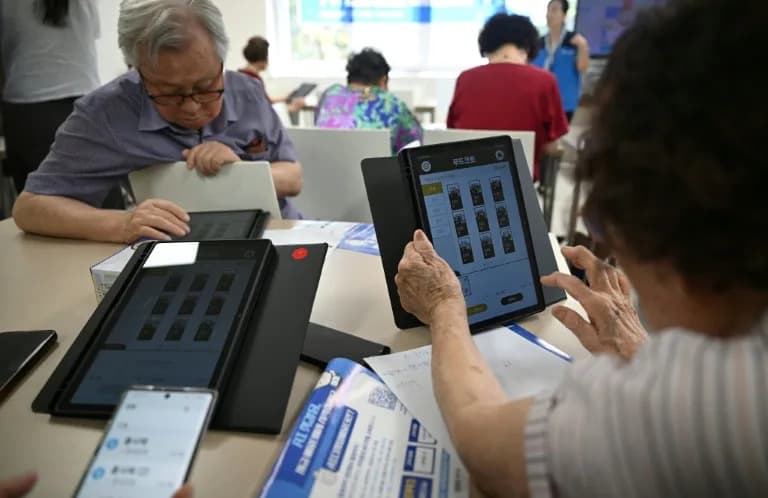
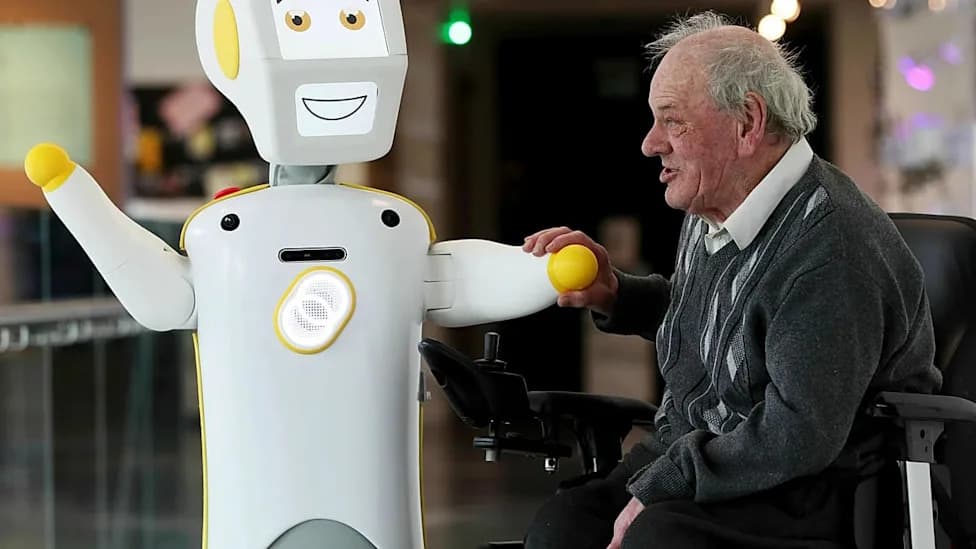
Local governments in parts of Seoul and Yongin have begun distributing AI care devices to seniors living alone. Hyodol says about 14,500 units are already deployed in homes, care facilities, or through government rental programs. Other solutions include smiley robots from Wonderful Platform, toys from Mr. Mind and overseas devices such as the lamp-like ElliQ in the United States.
Scale of the Problem
These initiatives respond to a stark social trend: South Korea has one of the world’s lowest birth rates, a rapidly ageing population, and growing social isolation. In 2024 authorities recorded more than 3,920 so-called "lonely deaths"—people who died alone and remained undiscovered for extended periods—while roughly 42 percent of households are single-person.
Benefits and Concerns
Care professionals report measurable benefits: nurses and welfare workers say some seniors show reduced depression and improved daily routines after using AI companions. Users describe relief from silence and small daily joys that help them stay engaged.
'When I'm with Hyodol, I never get hurt,' Bang told AFP, hugging the doll.
At the same time, caregivers worry about unintended consequences. Some warn that family members might reduce visits if they feel devices are sufficient substitutes for human contact, and experts stress that technology should complement—not replace—human care.
Privacy and Consent
Hyodol’s makers say they follow strict data-security protocols: voice recordings are used internally to refine the chatbot, and health-related data (sleep, mood, meals, pain) are shared with welfare workers only with users' prior consent. The company emphasizes transparency and local oversight as these devices become more common.
Looking Ahead
As South Korea adapts to demographic shifts, municipalities, startups and health professionals are experimenting with technological responses to isolation. Proponents highlight improved mood and routine maintenance for seniors; critics urge safeguards to preserve human contact and protect users' privacy. For many seniors like Bang, the immediate effect is clear: a small daily source of comfort, reminders that help manage health, and a companion for otherwise lonely hours.
Help us improve.