The wreck two miles off Bari has been confirmed as the SS Samuel J. Tilden, a 441-foot Liberty ship and the last surviving physical remnant of the December 2, 1943 “Little Pearl Harbor” air raid. The German attack sank 21 Allied vessels and struck ammunition ships carrying about 10,000 tons of ordnance, including roughly 2,000 mustard gas bombs aboard the SS John Harvey. The Tilden was badly damaged, towed out of the harbor, and scuttled after rescue efforts saved 251 people while 27 were lost. A 2025 Italian-led survey used divers and remote sensing to document the wreck’s exceptional state of preservation and its continuing historical and environmental significance.
Divers Rediscover SS Samuel J. Tilden — Last Relic of WWII’s ‘Little Pearl Harbor’ Off Bari
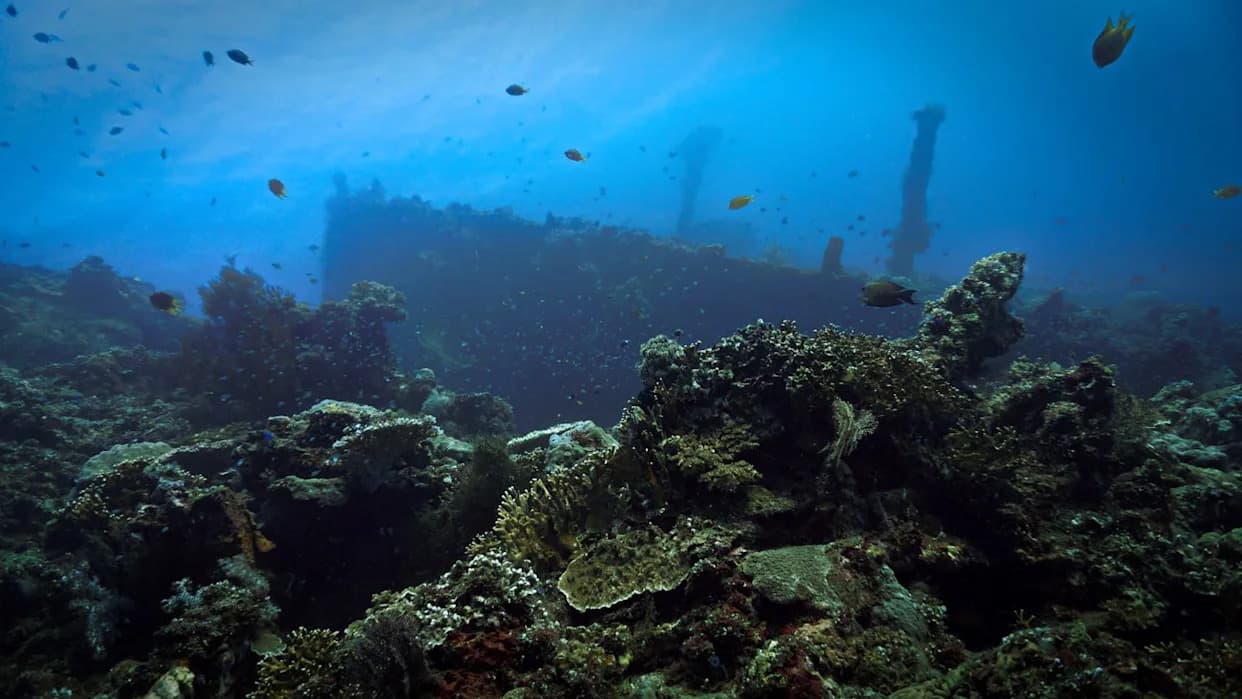
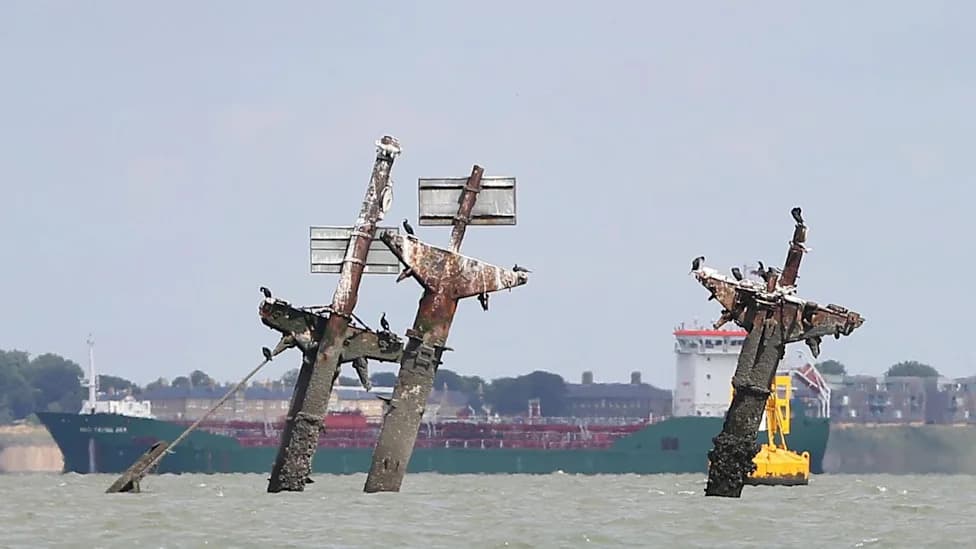
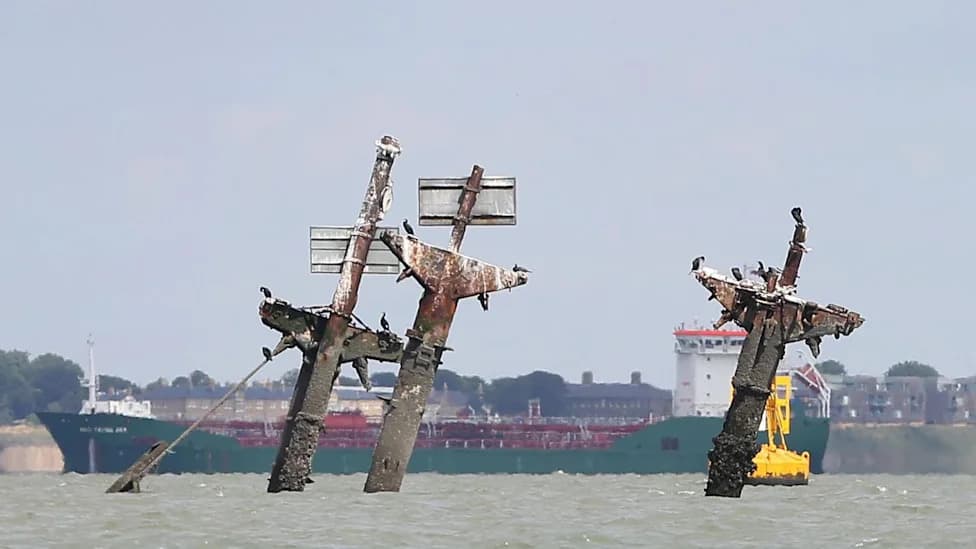
Divers Found a Shipwreck That Was Lost to HistoryJohan Holmdahl - Getty Images
Two miles off Bari’s shoreline, lying 165 feet below the surface on a flat sandy bottom, researchers have positively identified a largely intact World War II wreck as the SS Samuel J. Tilden. Local divers had known of the site since the 1970s, but its identity remained a mystery until a 2025 multidisciplinary survey resolved the question.
An Overlooked Survivor of a Devastating Raid
On the night of December 2, 1943, 105 German JU-88 bombers launched a surprise air raid on the Allied-controlled port of Bari — an attack sometimes called the “Little Pearl Harbor.” The harbor was crowded with more than 100 vessels, including dozens of merchant ships and several warships. The bombing struck multiple ammunition ships, notably the SS J. Motley and the SS John Harvey, which together carried roughly 10,000 tons of ordnance. The John Harvey was secretly loaded with about 2,000 M47A1 mustard gas bombs (each estimated to contain 60–70 pounds of sulfur mustard), held as a deterrent in case chemical retaliation became necessary. Because that cargo was classified, port officials were unaware of the chemical hazard for more than a week.
The explosions and secondary detonations produced an oil-and-agent slick that spread through the harbor and along nearby coastlines. Anti-aircraft fire and resulting friendly-fire incidents added to the destruction. In all, the raid sank 21 Allied vessels, seriously damaged a dozen more, and killed more than 1,000 military personnel and civilians; many additional survivors fell ill from chemical exposure in the days and weeks after the attack.
The Fate of the Tilden
The SS Samuel J. Tilden, a 441-foot Liberty-class cargo ship built in Portland, Oregon, had sailed from Bizerte, Tunisia, with roughly 250 passengers and more than 1,000 tons of mixed cargo, including gasoline, ammunition, vehicles and medical supplies. Anchored and preparing to unload when the raid began, the Tilden was hit by bombs that pierced the bow and set the vessel ablaze; anti-aircraft fire further riddled her hull. The burning ship drifted toward shore but did not sink immediately.
In the early hours of December 4, two British motor torpedo boats (MTB-297 and MTB-270) towed the badly damaged hull out of the congested harbor, likely to prevent catastrophic detonations among the other ships. Once at a safe distance, the Tilden was scuttled by friendly fire. Rescue operations saved 251 people; 41 were wounded and 27 perished. The ship’s remains were lost to history until the recent survey.
2025 Survey and Identification
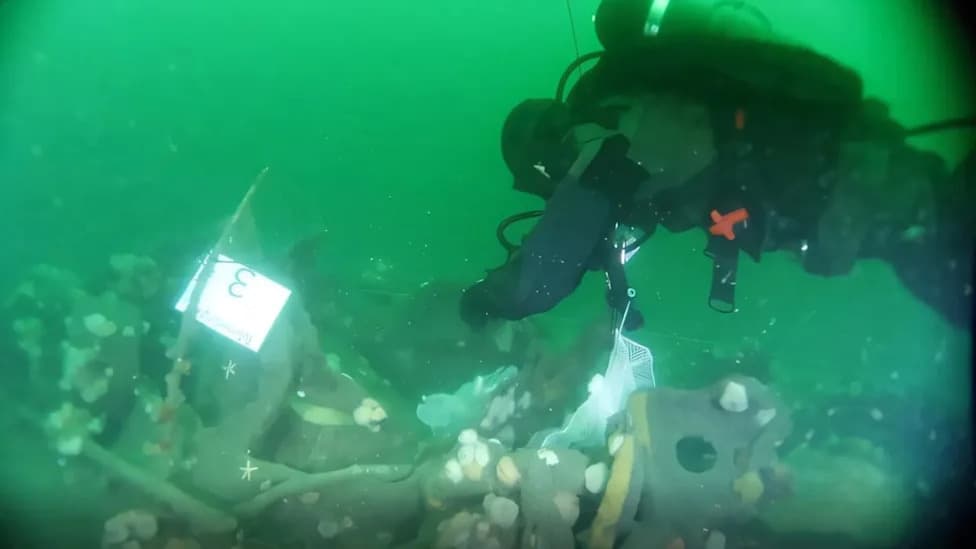
The identification resulted from a 15-day underwater campaign in July–August 2025 led by the University of Siena in cooperation with Italy’s Carabinieri Diving Units, the Naval Unit of the Carabinieri and ISPRA (the Italian environmental research institute). The team combined military-grade divers with high-resolution remote-sensing equipment to map and document the wreck site.
Surveyors found the Tilden nearly intact, listing slightly to port. Large portions of the bow, stern and bridge remain recognizable. The deckhouse has shifted, but much of the superstructure is preserved. On the stern deck investigators documented several motor vehicles — including vehicles that appear to be ambulances — that have remained undisturbed since 1943. A bowl-shaped depression on the bow likely marks a bomb impact. Visible armament includes a 20 mm Oerlikon gun and depth-charge racks with charges that appear to remain in place. Fishing nets drape the hull; unused ordnance, ropes and other debris litter the site. The wreck is increasingly colonized by marine life, including algae, bright yellow sponges and rockfish.
The research team also reports evidence that bombs penetrating the Tilden ruptured chemical tanks and exposed some deck areas to corrosive substances. The authors note that leaking acids and other contaminants may have contributed to the deaths of the 27 people who perished aboard. Because the hull was abandoned and later scuttled, those remains were lost with the wreck.
“The wreck has significant historical-cultural importance given that it represents the last tangible remain of the so-called ‘Little Pearl Harbor,’” the study’s authors write, emphasizing that the Tilden is now the sole surviving physical remnant of one of the most consequential events of the Italian Campaign.
Why This Discovery Matters
Unlike other Bari casualties that were salvaged, repaired or scrapped over the decades, the Samuel J. Tilden rested undisturbed two miles offshore. Its rediscovery provides historians, archaeologists and the public with a remarkably well-preserved underwater time capsule that helps tell the fuller story of the human, military and environmental consequences of the Bari raid.
Note on Safety and Preservation: The wreck still contains unexploded ordnance and hazardous materials. The research team emphasizes that the site should be treated with caution and managed as an underwater cultural heritage site.
Help us improve.