The ILA air show in Berlin opened amid growing geopolitical tensions from the Iran war and the abrupt collapse of the Franco‑German FCAS fighter programme, casting a shadow over one of Europe’s biggest aerospace events. The FCAS failure has highlighted deep industrial rivalry and spurred debate in Germany over alternatives, including F‑35 purchases and new partnerships such as Airbus with Saab. Protests disrupted the opening day, and Germany announced a 15‑year aviation strategy as exhibitors and officials weigh urgent decisions.
ILA Berlin Opens Under Shadow Of Iran War And Collapse Of Franco‑German Fighter Project
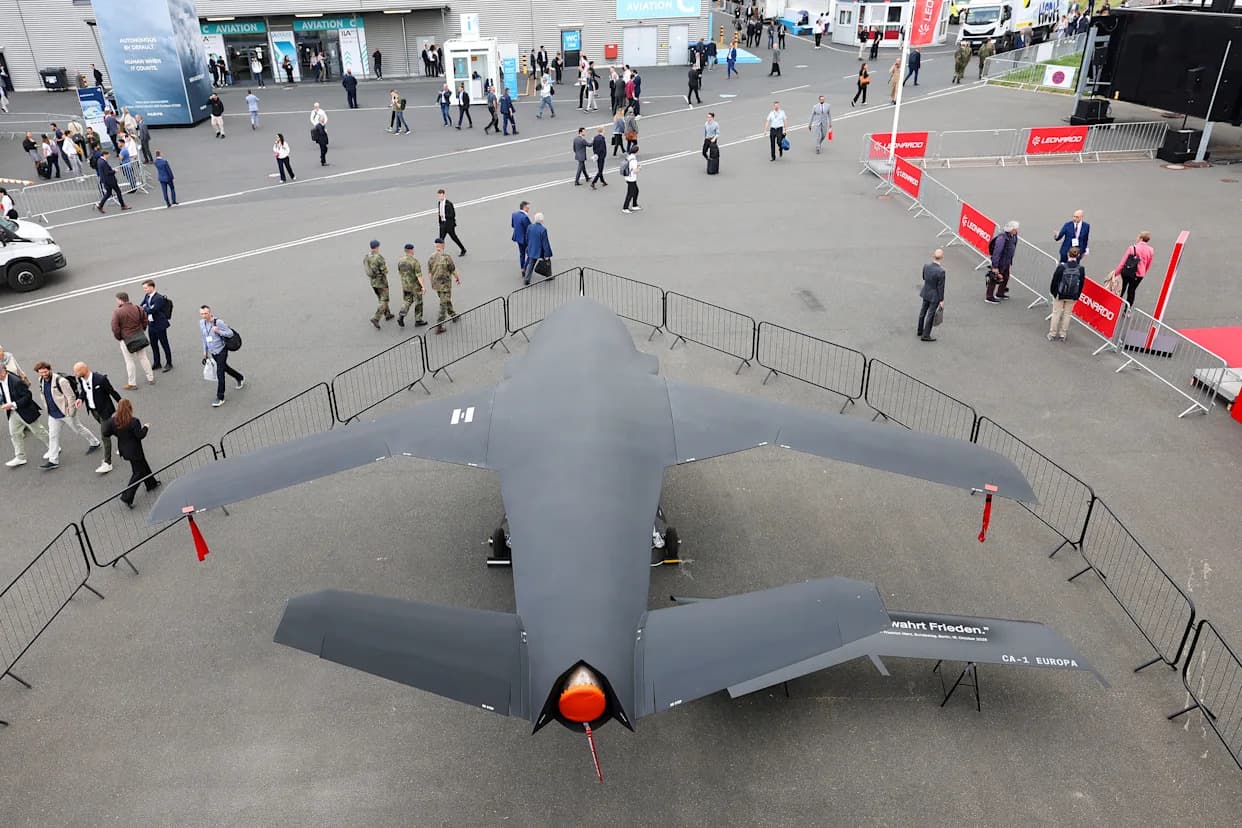
A CA-1 Europa autonomous uncrewed combat vehicle by Helsing is on display at the at the ILA Berlin Air Show on June 10, 2026. (Krisztian Bocsi/Bloomberg via Getty Images)(Bloomberg)
The ILA air show in Berlin opened on Wednesday under twin shadows: escalating conflict in the Middle East and the sudden collapse of the Franco‑German Future Combat Air System (FCAS) programme. What is meant to be one of Europe’s premier aerospace showcases instead highlighted deep industrial tensions and urgent strategic questions for European defence.
A Showcase Clouded By Geopolitics And Industrial Fallout
Founded in 1909, the ILA brings together governments, military buyers and more than 750 exhibitors from 37 countries to display the latest in aerospace and defence technology. But this year’s event—running June 10–14—was dominated by the abandonment of FCAS, once billed as Europe’s most ambitious fighter project. Its collapse has underscored how difficult it is for European nations and firms to build cutting‑edge military capability at scale amid competing industrial interests.
Industry Realignments And Strategic Choices
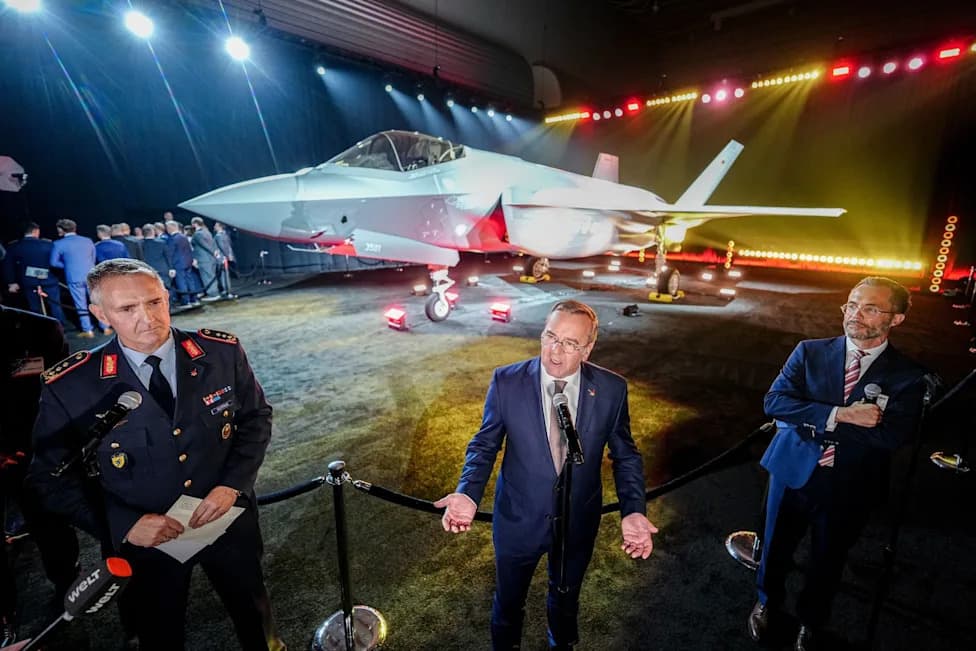
Airbus, which represented Germany and Spain in FCAS, is reportedly increasingly open to partnering with Sweden’s Saab as companies reshuffle alliances, according to sources familiar with the matter. The setback has intensified debate in Berlin about alternatives, including whether Germany should procure more U.S. F‑35 jets as it accelerates rearmament in response to perceived threats from Russia and broader security concerns.
MTU Aero Engines’ Head of Programmes, Ottmar Pfaender, said decisions on next steps must be taken in the coming weeks and that the engine maker is prepared to work with other partners. Industry figures also suggested that emerging technologies—software‑driven systems and autonomy—could be folded into whatever follows FCAS.
“There’s always a chance in these kinds of endings,” said Stephanie Lingemann, a senior executive at defence startup Helsing, referring to opportunities to incorporate new technologies into successor programmes.
Domestic And Commercial Frictions
The Iran war has added to the atmosphere of unease, straining transatlantic ties, raising questions about NATO’s future and disrupting airlines through cancellations and higher jet‑fuel costs. On opening day protesters blocked roads to the venue chanting “Free Palestine,” forcing buses to stop and many visitors to walk to the site while dozens of police were deployed.
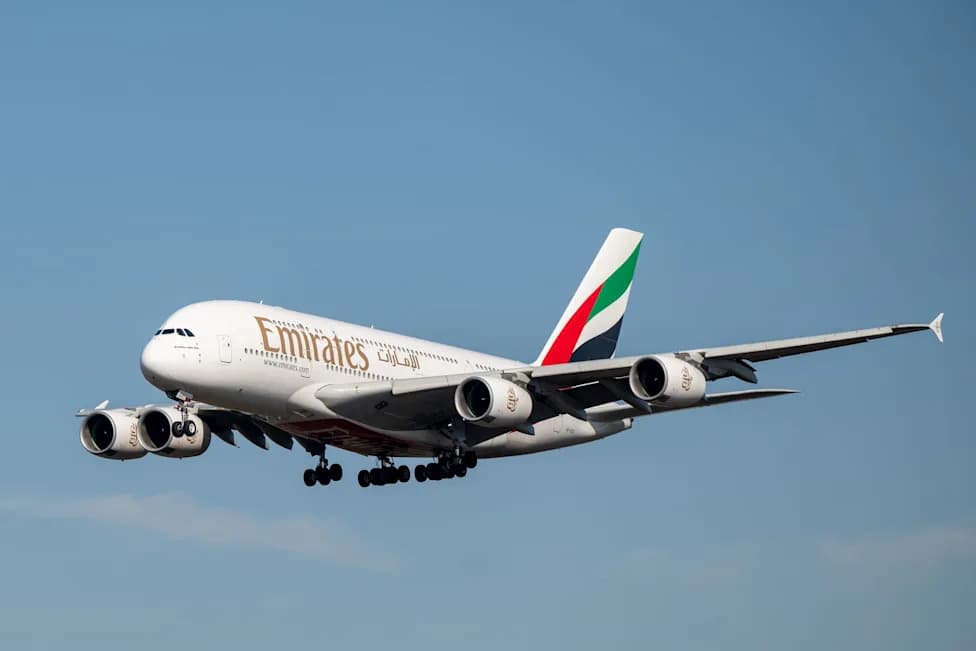
The show also provides a commercial platform: Emirates President Tim Clark used the event to press the German government for additional landing rights in Berlin, with an A380 on display. Coinciding with the opening, Germany’s cabinet approved a 15‑year aviation strategy aimed at cutting costs and boosting research to help the country’s aviation industry meet rising expenses and tougher foreign competition.
With momentum now shifting, German leaders and industry executives signalled that urgent decisions on partnerships, procurement and the direction of future combat aircraft programmes will be required in the coming weeks.
Help us improve.