Xi Jinping’s visit to Pyongyang highlighted a strategic shift: China now tolerates North Korea’s nuclear and missile advances to preserve regional stability. The change accelerated after the 2019–2020 rupture with the United States and was reinforced by Pyongyang’s growing ties with Russia and weapons sales. Kim’s public tours of enrichment and missile sites before the summit signalled increased independence, and Xi refrained from publicly pressing the denuclearisation agenda, instead emphasising deeper "strategic cooperation."
Kim Jong‑un Escapes Xi’s Nuclear Leash — Why China Now Prioritises Stability Over Denuclearisation
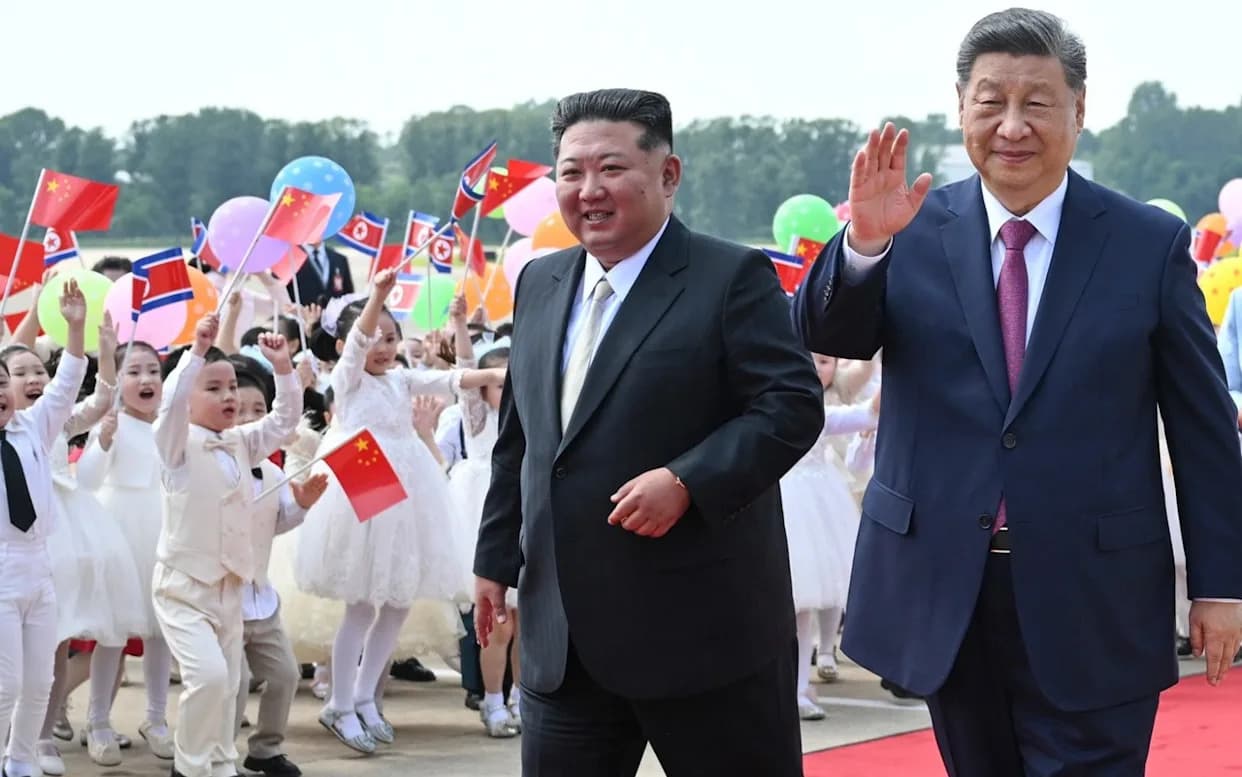
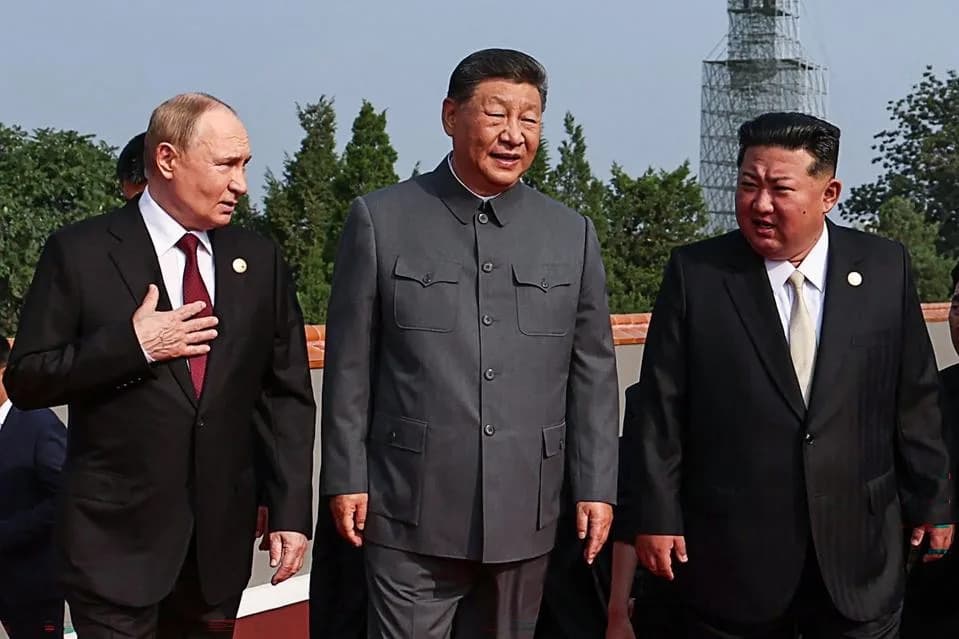
Kim Jong-un and Xi Jinping at a farewell ceremony in Pyongyang on Tuesday - Yan Yan/Xinhua
Xi Jinping’s recent visit to Pyongyang exposed a striking paradox at the core of China–North Korea relations: despite China’s overwhelming power and long-standing role as Pyongyang’s principal patron, Beijing is now tolerating North Korea’s advancing nuclear and missile programmes in the name of regional stability.
At first glance, Xi should have arrived as the dominant partner. China is vastly more powerful and provided discreet aid during the Covid‑19 pandemic that helped avert a humanitarian collapse in North Korea. Yet the balance of leverage has shifted markedly since the 2019–2020 rupture with the United States.
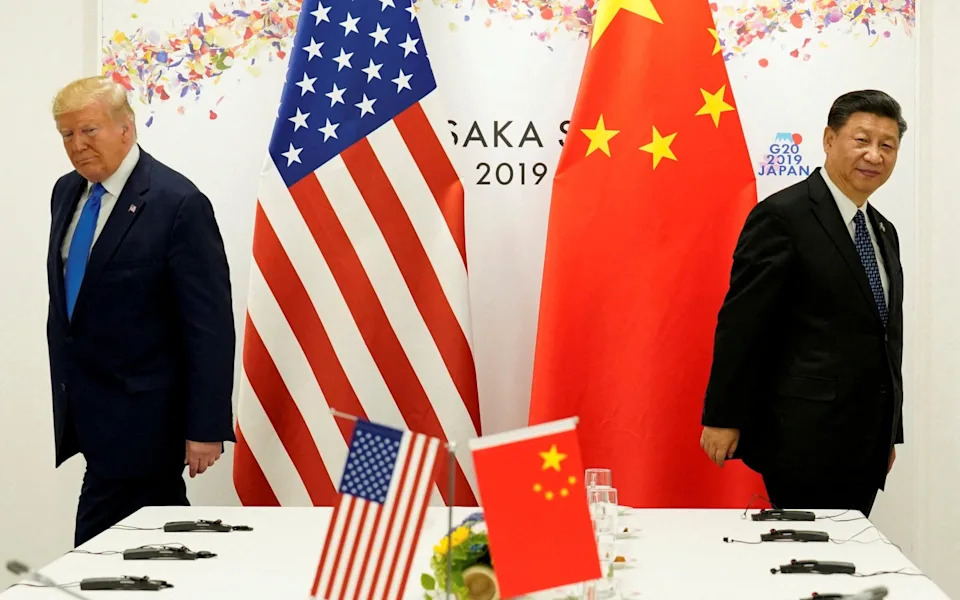
The US-China confrontation in 2019–2020 ended cooperation on North Korea - Kevin Lamarque/Reuters
Before that turning point, Beijing viewed North Korea as an unreliable, troublesome neighbour. Pyongyang’s nuclear ambitions were treated as a needless irritant close to Chinese borders, and China — one of the five recognised nuclear powers — had little interest in encouraging proliferation that could weaken its own international position. Throughout the 2010s, official media on both sides traded occasional barbs, Chinese citizens and businesses faced harassment in the North, and Beijing supported and at times enforced progressively tougher UN sanctions.
"On the Korean Peninsula issue, China sticks to the goal of denuclearisation of the Peninsula, safeguarding peace and stability on the Peninsula and solving problems through dialogue and consultation." — Xi Jinping, March 2018
But the strategic calculation changed as Sino‑US relations deteriorated. Faced with sharper confrontation with Washington, Beijing reassessed the risks of pushing Pyongyang too hard. Preventing instability on its border — and avoiding a chaotic, rapid collapse or an uneasy unification with a pro‑Western South Korea — grew to outweigh the desire to force denuclearisation. In short, a stable buffer state became more valuable to China than insisting on an outcome it could not enforce.
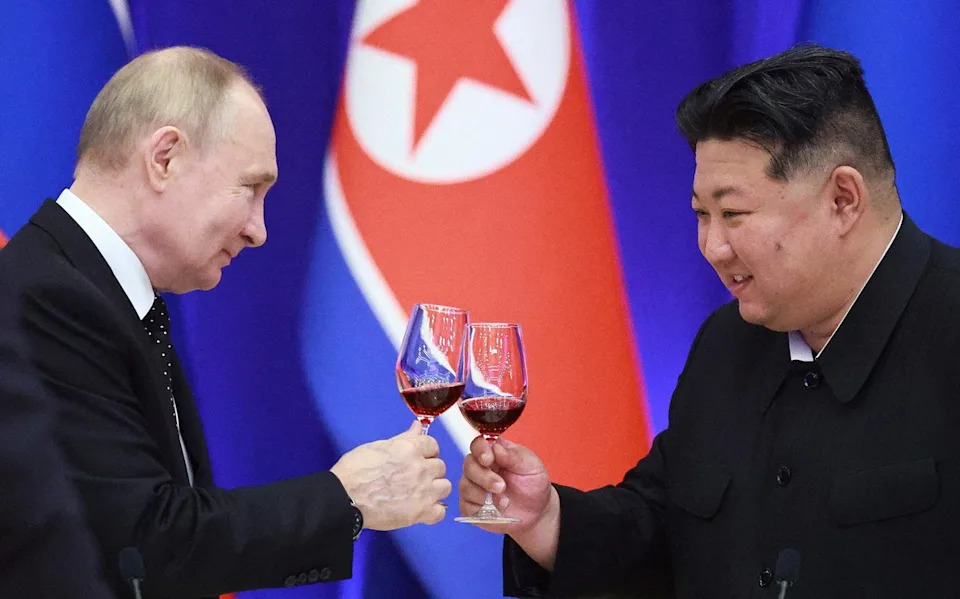
Vladimir Putin is unlikely to challenge China’s influence over South Korea and Kim Jong-un - Vladimir Smirnov
North Korea’s relationship with Russia has also expanded Kim Jong‑un’s manoeuvring space. Although Moscow is not a substitute for Chinese backing — Russia depends heavily on China for energy markets and other trade — recent arms and ammunition sales to Russia have bolstered Pyongyang’s financial independence and bargaining power.
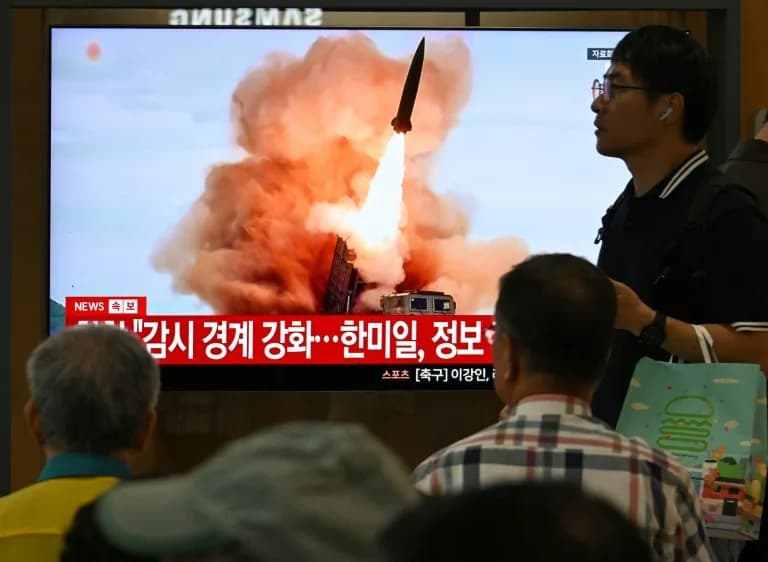
Nothing highlights that independence more clearly than Kim’s pre‑summit publicity tours. Days before Xi’s arrival, Kim visited a new uranium enrichment site and claimed North Korea had doubled its production of highly enriched uranium since 2021. Two days before the summit he inspected a ballistic missile factory and stressed accelerating missile output. These highly visible moves amounted to a public demonstration of determination — and they produced little public rebuke from Beijing.
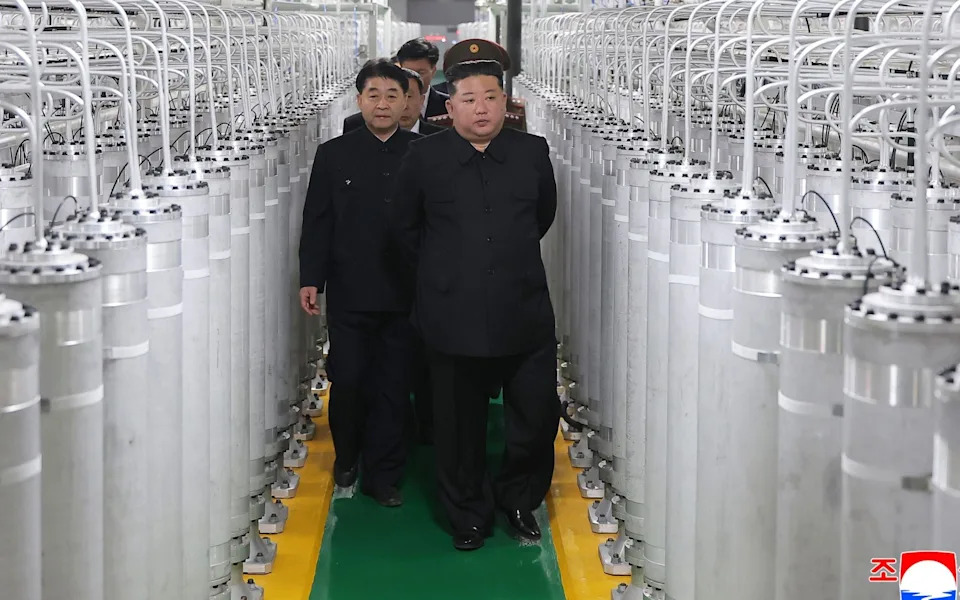
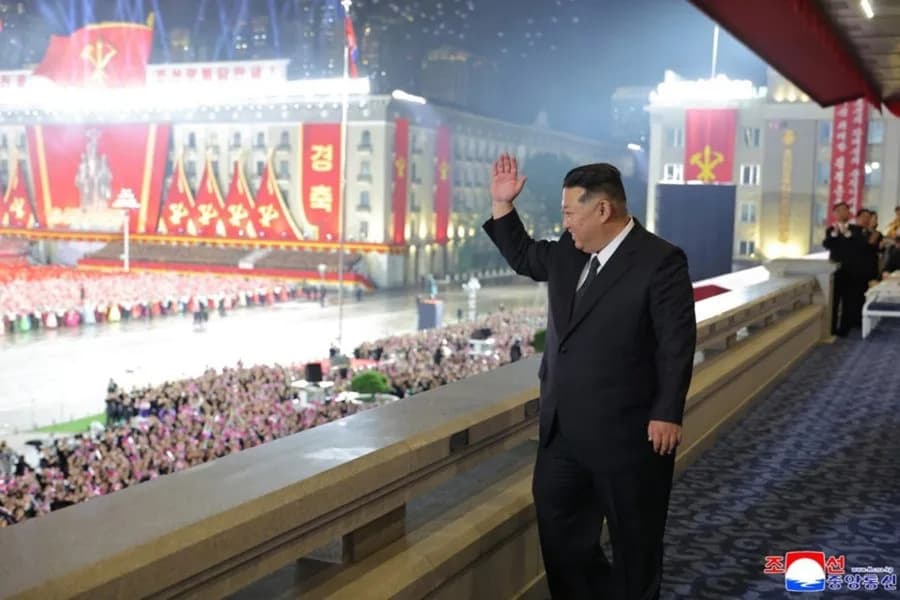
Kim Jong-un visited a nuclear bomb facility in North Korea last week - Korean Central News Agency
Instead of confronting Kim on the nuclear issue, Xi and Kim described the meeting as a “new milestone in the development of strategic cooperation,” and official documents stressed strengthening “strategic cooperation” and “strategic ties.” That response should not be read as China embracing proliferation. Rather, it reflects a pragmatic conclusion: demanding Pyongyang abandon capabilities it will not relinquish is pointless if Beijing has neither the leverage nor the appetite to enforce compliance.
China now seems prepared to tolerate North Korea’s nuclear trajectory while continuing to provide economic and diplomatic support aimed at preserving the regime as a stable geopolitical buffer. This assistance is driven less by a desire to reward specific North Korean behaviour than by a calculation that sudden withdrawal of support could trigger far greater instability — and potentially much higher costs for China.
That calculation gives Pyongyang latitude to defy or ignore Chinese requests at times, secure in the knowledge that Beijing values regime survival and regional stability above short‑term punishment. The summit in Pyongyang therefore underscored a clear shift: Beijing prioritises stability and strategic buffering over pressing an outcome — denuclearisation — that appears increasingly unattainable.
Andrei Lankov is Professor of Korean Studies at Kookmin University and Director at NK News.
Help us improve.