Dr Michael Lambert's 80-page investigation finds that infants judged "unadoptable" at St Monica’s mother-and-baby home in Kendal were often denied modern medical care and effectively left to die. Judith’s son Stephen, born in January 1964 with spina bifida and hydrocephalus, died after 11 weeks without hospital treatment. The report, which identifies more than 50 baby deaths between 1933 and 1967 and has been passed to Cumbria Police, implicates institutional secrecy and an emphasis on producing "desirable" adoptees. The Diocese of Carlisle has apologised and opened its archives, but some records remain inaccessible.
Report Finds ‘Unadoptable’ Babies Were Denied Care and Left To Die At Church-Run Home
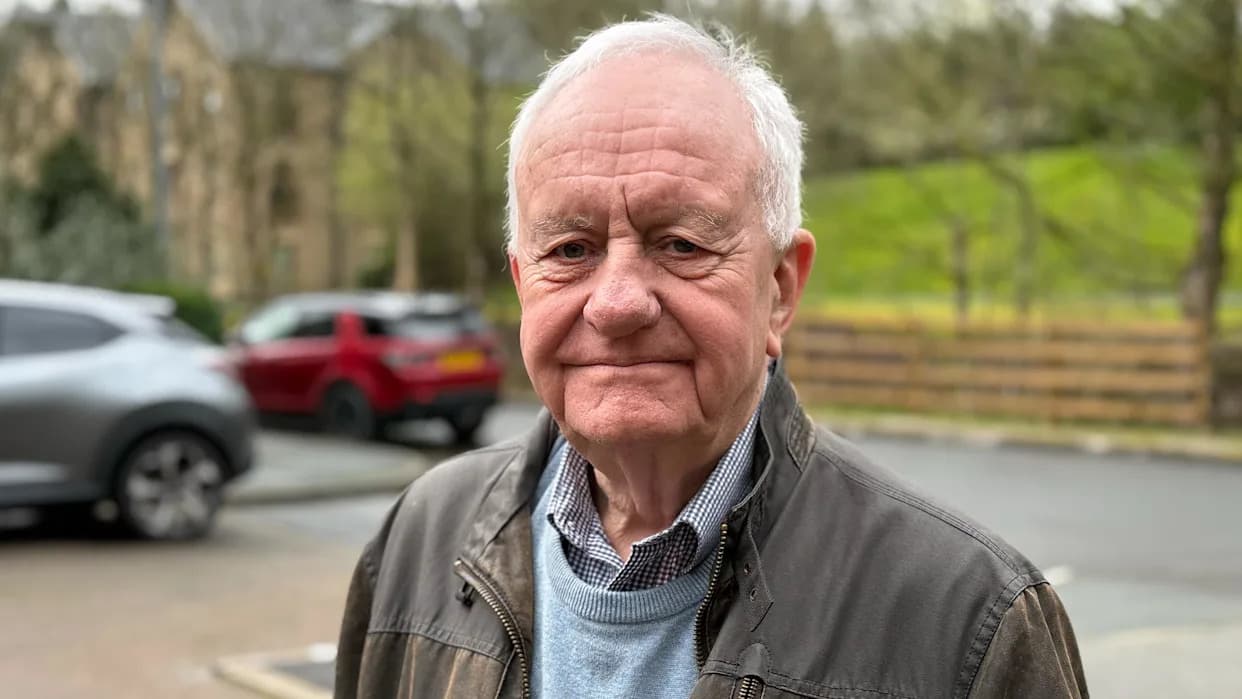
Steve Hindley says it has become his life's mission to uncover the truth about St Monica's Maternity Home [BBC]
Warning: This story contains distressing details.
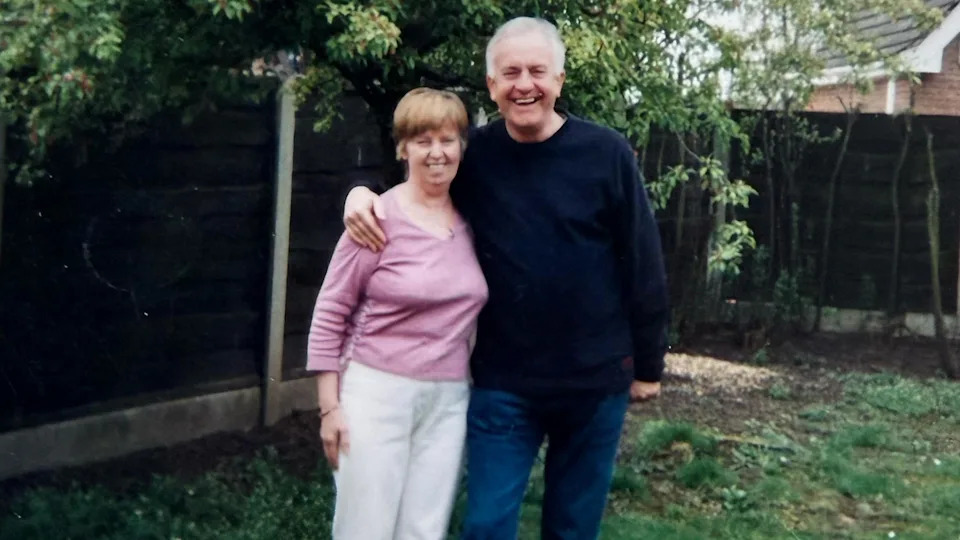
Steve Hindley is determined to get justice for Judith and Stephen [Stephen Hindley]
A new 80-page report by Dr Michael Lambert of Lancaster University concludes that sick infants judged unsuitable for adoption were effectively denied hospital treatment and left to die at St Monica’s, a Church of England–run mother-and-baby home in Kendal, Cumbria.
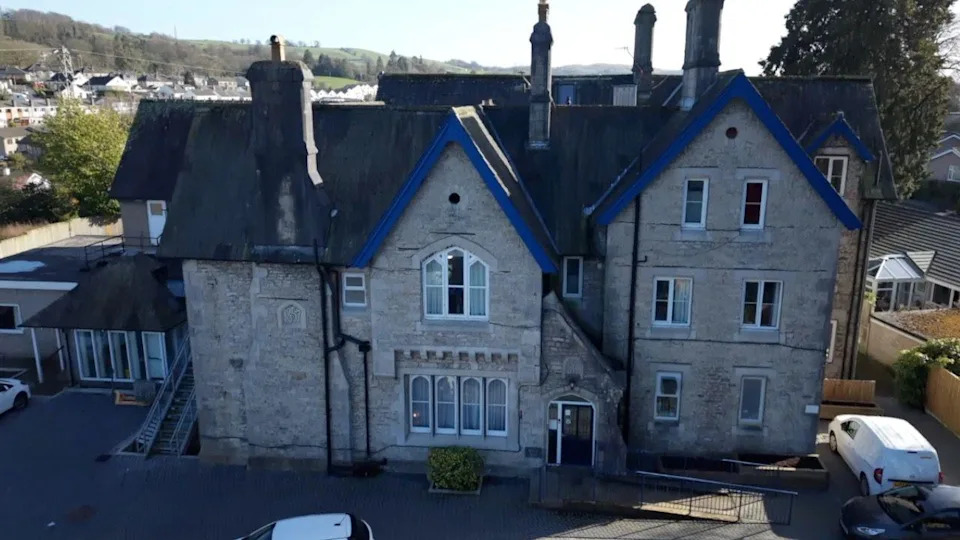
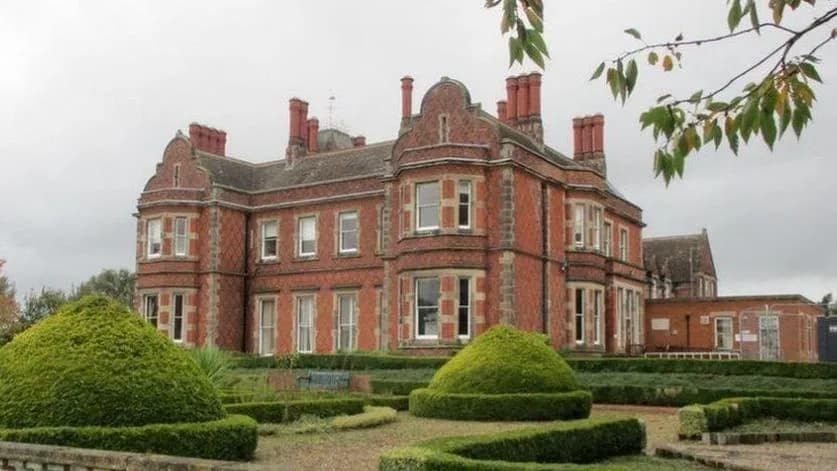
St Monica's closed in 1970 and the building is now run as an unconnected care home [BBC]
Steve Hindley has spent decades seeking answers about what happened to his wife Judith’s son, Stephen (registered as Stephen Holt). Judith, sent to St Monica’s as a terrified pregnant teenager after being raped, later told Steve the experience left her feeling worthless for the rest of her life.
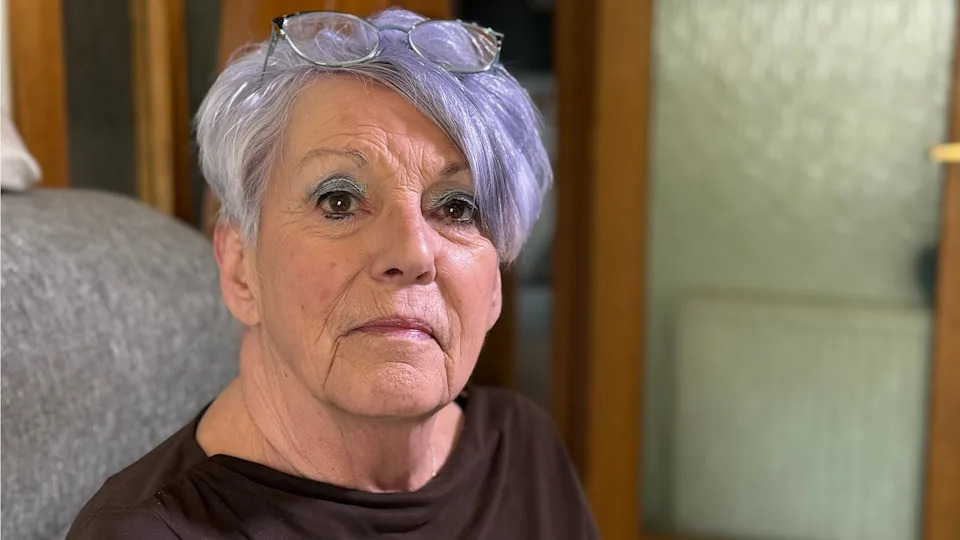
Jan Lawden spent decades searching for her baby son Julian, who was adopted in 1968 [BBC]
Stephen was born in January 1964 with spina bifida and hydrocephalus. According to documents assembled by Dr Lambert, despite Judith’s repeated pleas for medical care, the baby was denied hospital treatment and died 11 weeks later. Dr Lambert’s forensic review of national and regional archives — now passed to Cumbria Police — finds that infants with disabilities or other characteristics that made them unattractive for adoption were disproportionately those who died at St Monica’s.
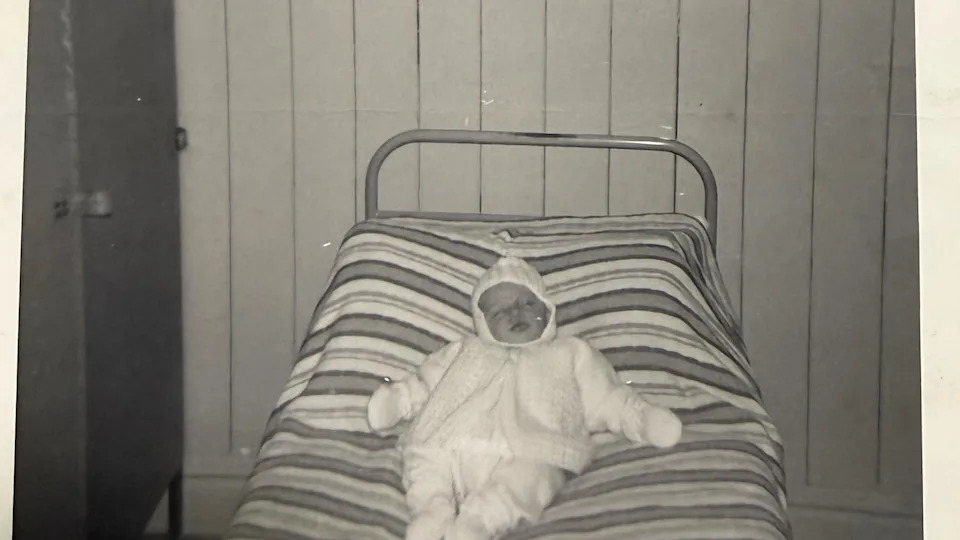
This is one of only two photographs Jan has of her baby son Julian [Jan Lawden]
"It is clear that according to the standards of the day, he was denied access to modern medical care because his mother was unmarried, he was illegitimate, and his short life was contained in an institution whose culture was centred on secrecy and providing desirable children for adoption," the report states.
The research examined burial and death records and BBC-sourced documents identifying more than 50 baby deaths at St Monica’s between 1933 and 1967. Over 40 of those deaths occurred during the 27-year tenure of the home’s long-serving matron, Elsie Stannard, whom the report describes as "incompetent and fixated on petty cruelty." Some death certificates list treatable causes; others record massive head injuries believed to have occurred during childbirth.
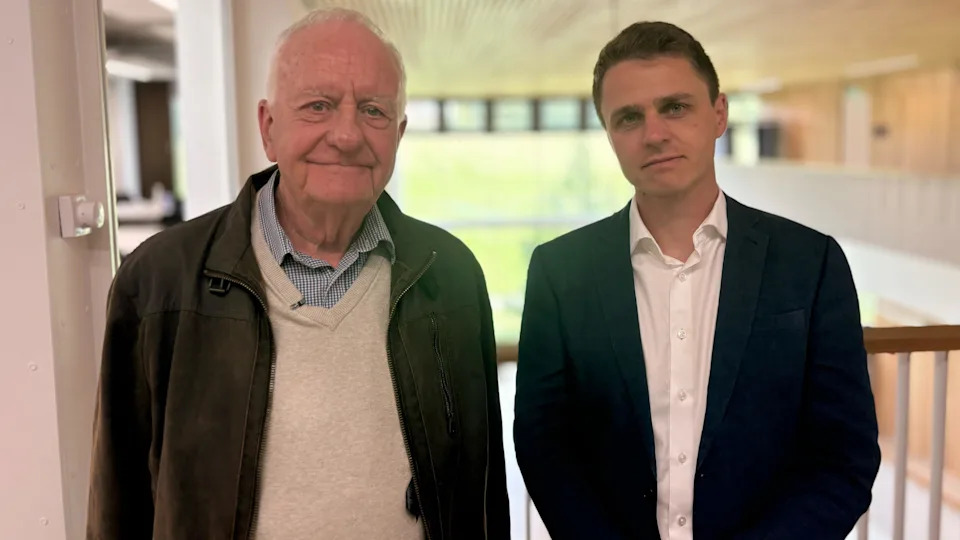
Dr Michael Lambert has spent the past year compiling evidence at the request of Cumbria Police [BBC]
St Monica’s was operated by the Diocese of Carlisle and received placements and funding from local authorities across the north-west of England. Annual reports show at least 400 children were adopted from the home while it operated from 1918 until closure in 1970.
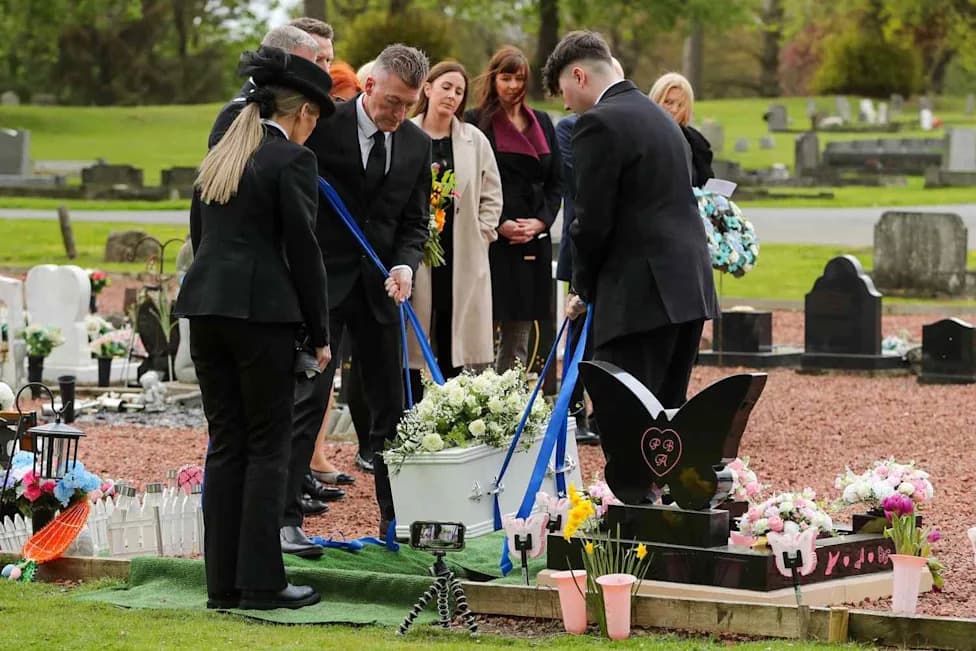
Steve says the report is vindication after years of attempting to uncover the truth. "I think the baby was murdered. I think he was deliberately terminated," he says, calling the deaths "criminal neglect." After Stephen’s death, Judith trained as a nurse and devoted her life to caring for sick children, but never recovered from her trauma and took her own life in 2006. Stephen was buried in an unmarked grave at Kendal cemetery alongside other babies from the home.
Survivors such as Jan Lawden recall harsh, secretive conditions at St Monica’s. Jan, sent there at 15 in 1968, remembered chores, strict discipline and being treated "a bit like being in prison." After years of searching she later learned her son Julian died in his late 20s, leaving unanswered questions about his life and burial place.
The Diocese of Carlisle has welcomed Dr Lambert’s report, expressed "heartfelt apologies" to those affected and opened diocesan archives to investigators, while saying it will support police inquiries. Dr Lambert and campaigners say some records held by other agencies remain inaccessible and may contain further evidence.
The Church of England has said it plans to apologise for its role in the wider forced adoption scandal. Campaigners and survivors continue to press the UK government for a formal state apology and for full access to records so families can find truth and closure.
Support: If you have been affected by any of the issues raised in this story, information and support can be found via organisations listed on the BBC Action Line.
Help us improve.