Overview: Jeffery Lee was convicted in 1998 of two murders and an attempted murder. Although an Alabama jury recommended life by a 7-5 vote, a judge later imposed a death sentence under the now-abolished judicial override. Lee's lawyers have petitioned Governor Kay Ivey for clemency and challenged the state's planned nitrogen-gas execution, and a federal judge has temporarily blocked the execution while appeals and legal reviews proceed.
Despite Jury's 7-5 Life Recommendation, Alabama Moves Toward Jeffery Lee's Execution Amid Legal Fight

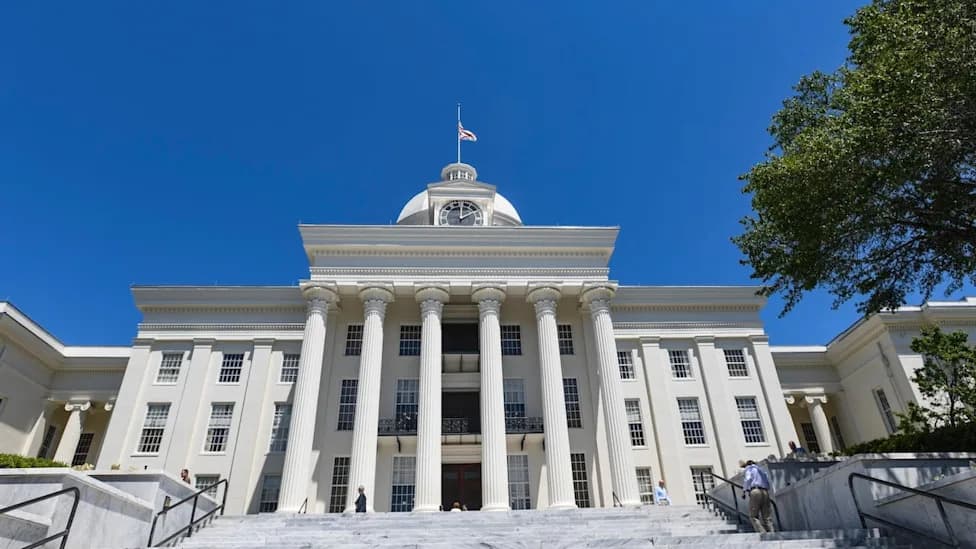
The sun sets behind Holman Correctional Facility, which houses Alabama's death row, in Atmore in January 2022. - Jay Reeves/AP/File
Updated: After publication, a federal judge temporarily barred Jeffery Lee's scheduled execution by nitrogen gas. Alabama's Attorney General's Office said it is reviewing that order and may appeal.
An Alabama jury in 1998 recommended by a 7-5 vote that then 21-year-old Jeffery Lee be sentenced to life in prison without parole for the murders of Jimmy Ellis and Elaine Thompson and the attempted murder of Helen King. A judge later overturned that recommendation under a now-abolished practice called judicial override and imposed a death sentence.
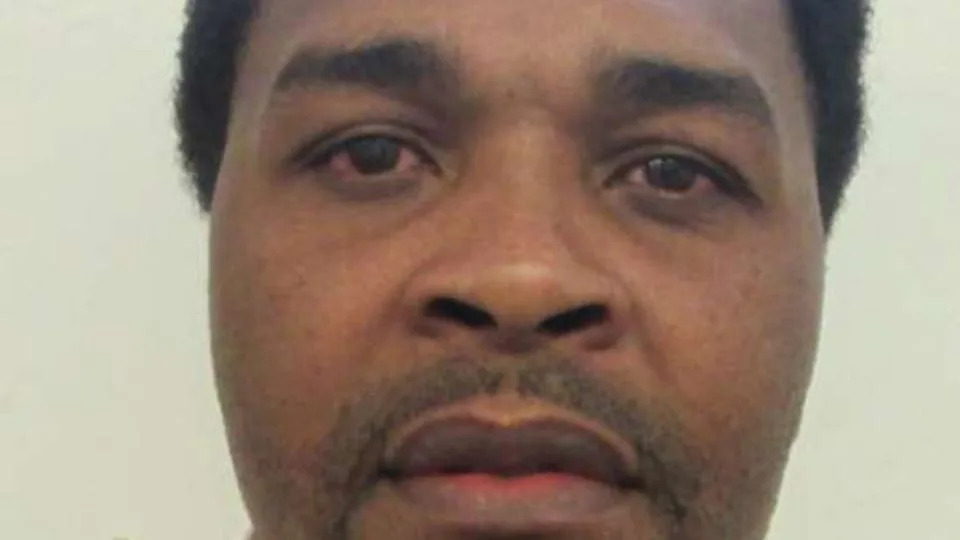
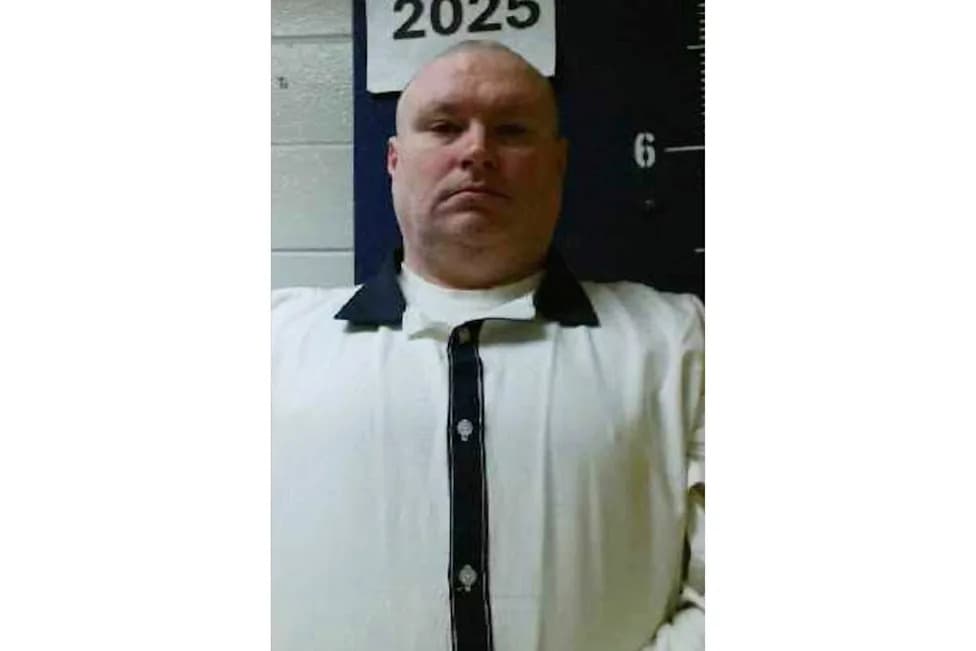
Jeffery Lee is seen in a booking photo provided by the Alabama Department of Corrections. - Alabama Department of Corrections
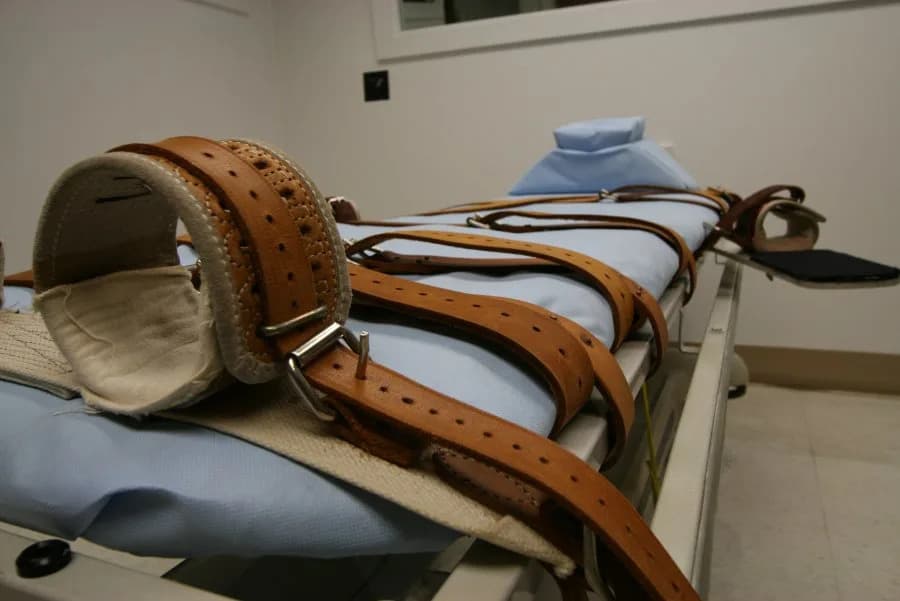
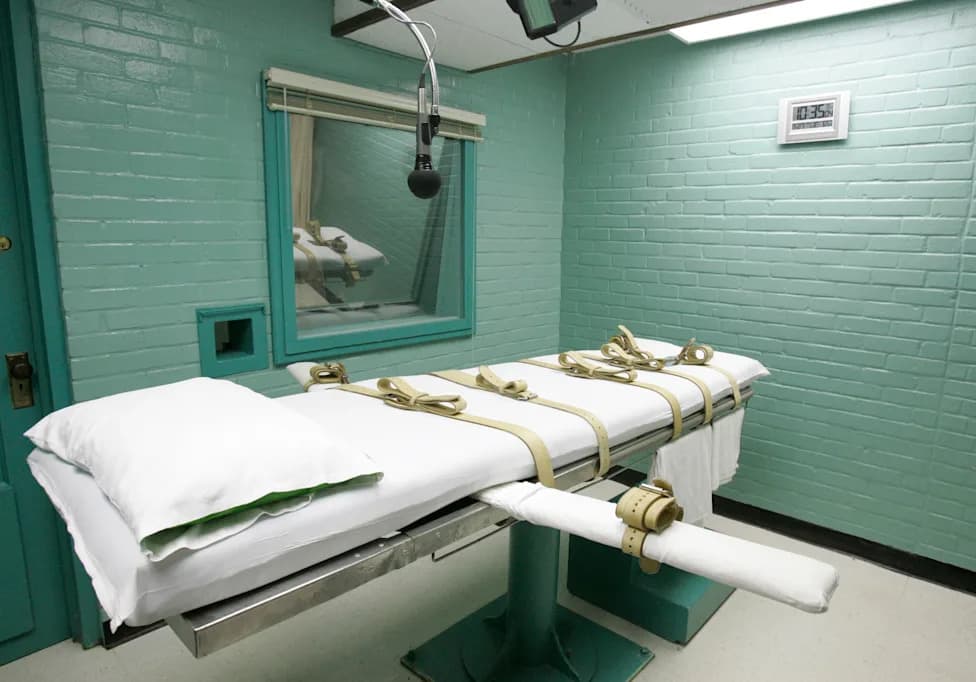
With appeals exhausted, Lee's lawyers have petitioned Governor Kay Ivey for clemency, asking her to honor the jury's original recommendation and commute his sentence to life. They have also challenged the constitutionality of the state's planned execution method, nitrogen hypoxia; the federal court order blocking the execution has paused the schedule while legal review continues.
What Is Judicial Override?
Judicial override allowed judges to replace a jury's sentencing recommendation. Alabama repealed the practice prospectively in 2017, but dozens of people, including Lee, remain under death sentences imposed through overrides. MiAngel Cody, one of Lee's attorneys, says Lee is one of 27 people still facing the death penalty because of judicial override.
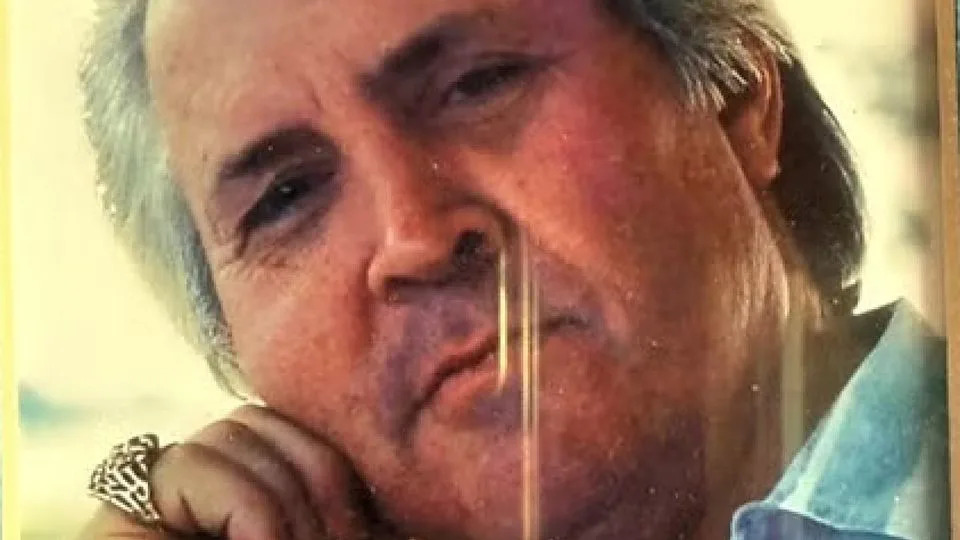
Jimmy Ellis - Alabama Attorney General's Office
The Case And Its Impact
According to court records, on December 12, 1998, Lee entered Jimmy's Pawn Shop in Orville, Alabama. After an initial conversation about a wedding ring, he returned with a shotgun, opened fire and shouted an expletive. He fatally shot Jimmy Ellis and Elaine Thompson and wounded Helen King, who survived by feigning death. Lee was found in a Georgia motel the next day and later signed a written confession in which he said the first shot was accidental but admitted the rest of the shooting was intentional.
The judge who imposed the death sentence described the attack as cold, premeditated, and devastating for the victims' families. Family members and community witnesses testified to lasting trauma and loss.

Elaine Thompson - Alabama Attorney General's Office
Arguments For Clemency
Lee's legal team acknowledges the victims' suffering while urging clemency on several grounds: the jury's life recommendation, the now-discarded override that produced his death sentence, his traumatic upbringing and early substance abuse, and his post-conviction conduct. According to his lawyers, Lee suffered physical abuse as a child, began huffing gasoline at age seven, turned to alcohol by 11, and used other drugs in his teens. His attorneys say he received mental health treatment only after his arrest and has since taken on leadership and religious roles in prison.
Broader Concerns
Civil rights and death penalty reform advocates argue that judicial override created inconsistent, era-dependent punishments. A 2011 Equal Justice Initiative report found Alabama judges used overrides 107 times between 1976 and 2011 and imposed death in roughly 92 percent of those cases, contributing to Alabama's high rate of death sentences. Critics say many people sentenced to death under the old practice would not receive that punishment today.
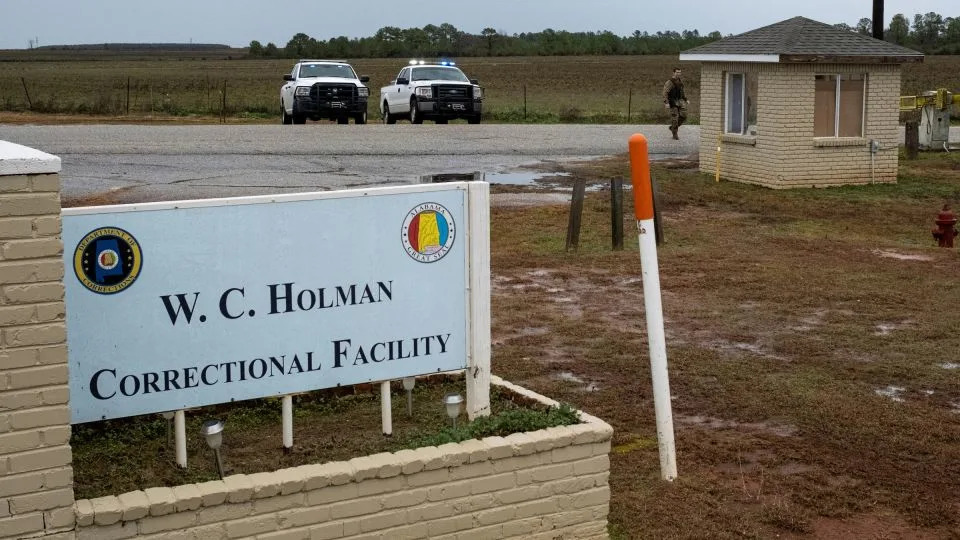
The gate at Holman Correctional Facility is seen on January 25, 2024. - Micah Green/Reuters/File
Alabama Attorney General Steve Marshall has urged officials to proceed, saying courts have repeatedly upheld the conviction and sentence and invoking the memory of the victims. Governor Ivey's office has said she planned to move forward with the execution before the federal court's temporary block.
Current Status: The execution has been temporarily barred by a federal judge while legal challenges continue. The Attorney General may appeal that order, and Lee's clemency petition to the governor remains pending.
Lee told reporters he has struggled for years to accept what he did and that he hopes for mercy. He also noted unfinished personal matters, including speaking with family members and his son, now an adult.
Help us improve.