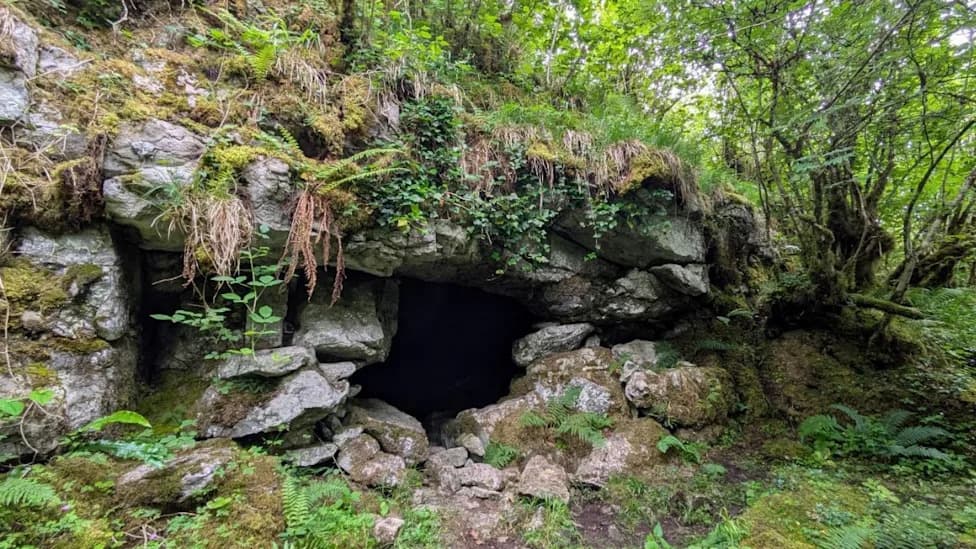
Researchers at Curtin University used zircon mineral analysis and ice‑flow models to trace Stonehenge’s six‑ton Altar Stone to sandstone most closely matching deposits in Caithness, northern Scotland. Glacial simulations do not support a direct ice‑borne route, and Dogger Bank was submerged long before the stone likely reached Stonehenge. The study favors a staged human transport—combining overland hauling with river or coastal navigation—requiring significant planning and cooperation.
Stonehenge Altar Stone Likely Hauled 430 Miles By People — Not Glaciers
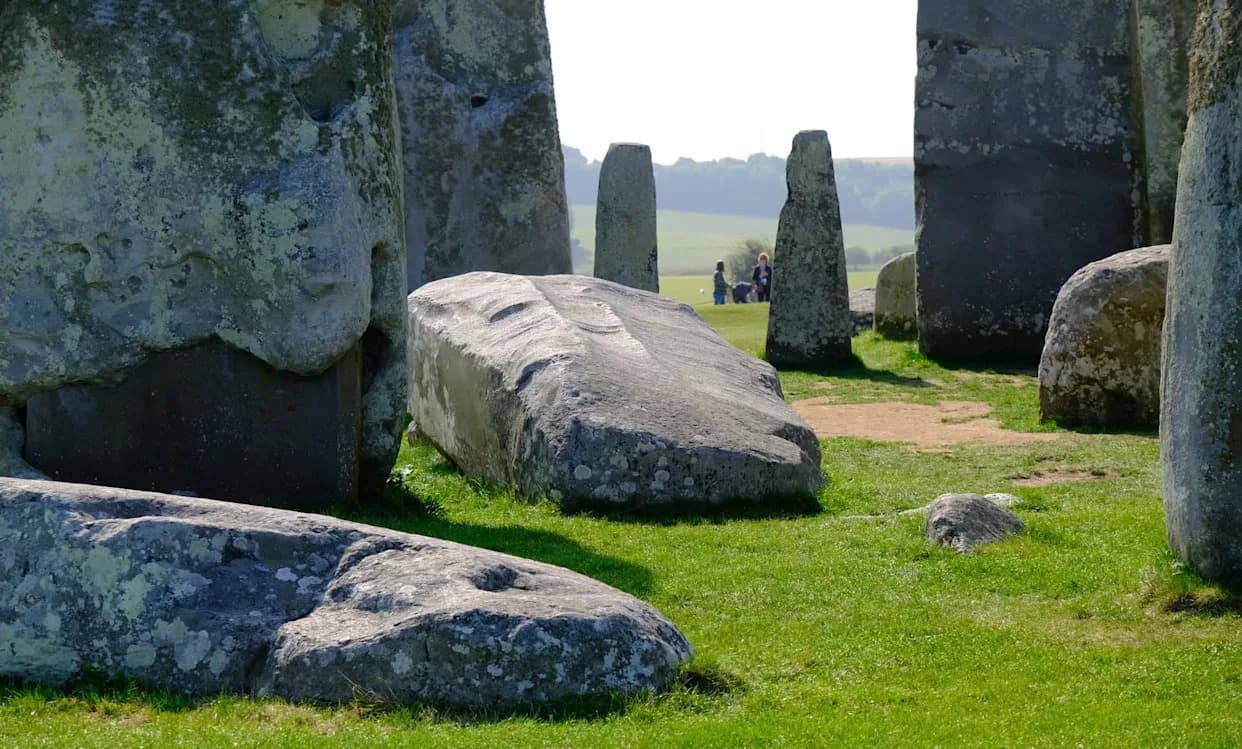
Photo Credit: iStock
New research suggests the six‑ton Altar Stone at Stonehenge was probably moved roughly 700 km (about 430 miles) from northern Scotland to Salisbury Plain by prehistoric people rather than carried there by ice.
Geological Fingerprints Point to Caithness
A team led by researchers at Curtin University analyzed zircon minerals in the Altar Stone’s sandstone. Zircon grains act as geological fingerprints, and the closest match came from sandstone deposits in Caithness on the Scottish mainland. Other parts of the wider Orcadian Basin produced weaker matches.
Glacial Models Undercut the Ice‑Transport Theory
The researchers ran ice‑flow simulations to test whether Ice Age glaciers could have transported the block south. The models show ice from Caithness mainly flowed northeast, with only a narrower corridor directing material southeast toward Dogger Bank — the submerged land bridge that once linked Britain to continental Europe. Even if some material reached Dogger Bank, people would still have had to move the stone roughly 400+ miles to Stonehenge, with at least ~250 miles of that journey after any glacial assistance.
A Human Logistics Feat
Because Dogger Bank was submerged thousands of years before the Altar Stone is thought to have been placed at Stonehenge, a purely natural delivery route is difficult to reconcile. The study therefore favors an active, staged human transport: careful route planning, coordinated labor, and use of rivers or coastal waters where practical. Moving a six‑ton slab over hundreds of kilometers would have required detailed knowledge of terrain, waterways and organised effort.
What Comes Next
Researchers are narrowing the search for the stone’s precise quarry in northeast Scotland. A more exact match could let archaeologists reconstruct likely travel routes and provide insight into why this particular block was selected. Overall, the evidence points to limited glacial involvement and highlights the planning and cooperation of prehistoric communities that moved a remarkable megalith across extraordinary distances.
Help us improve.