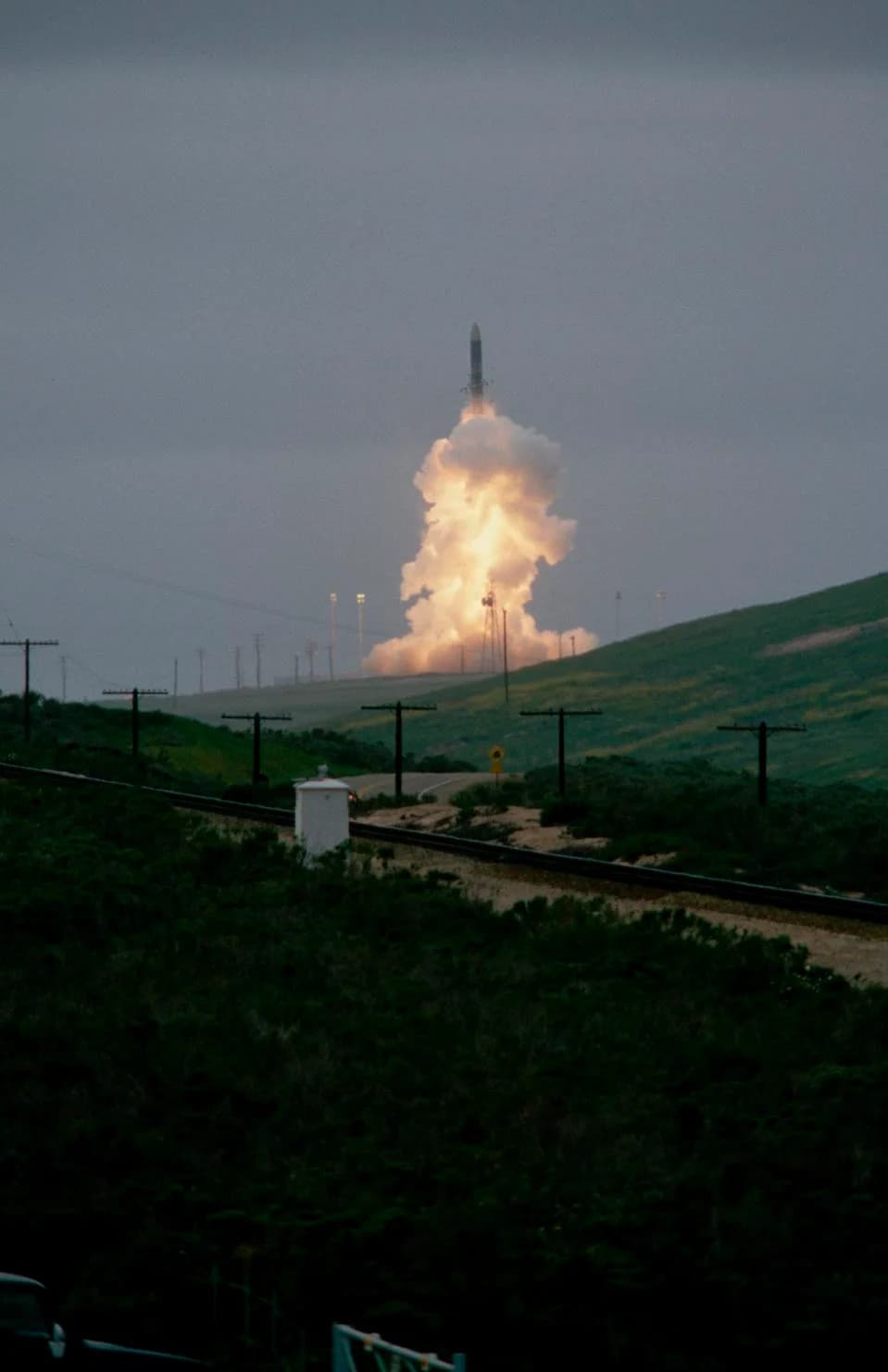
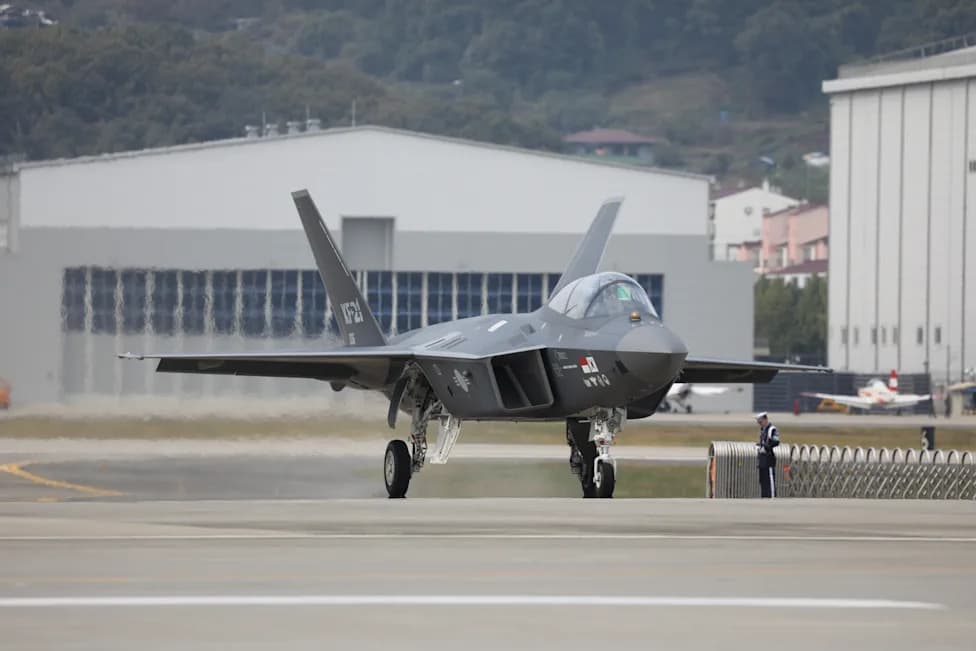
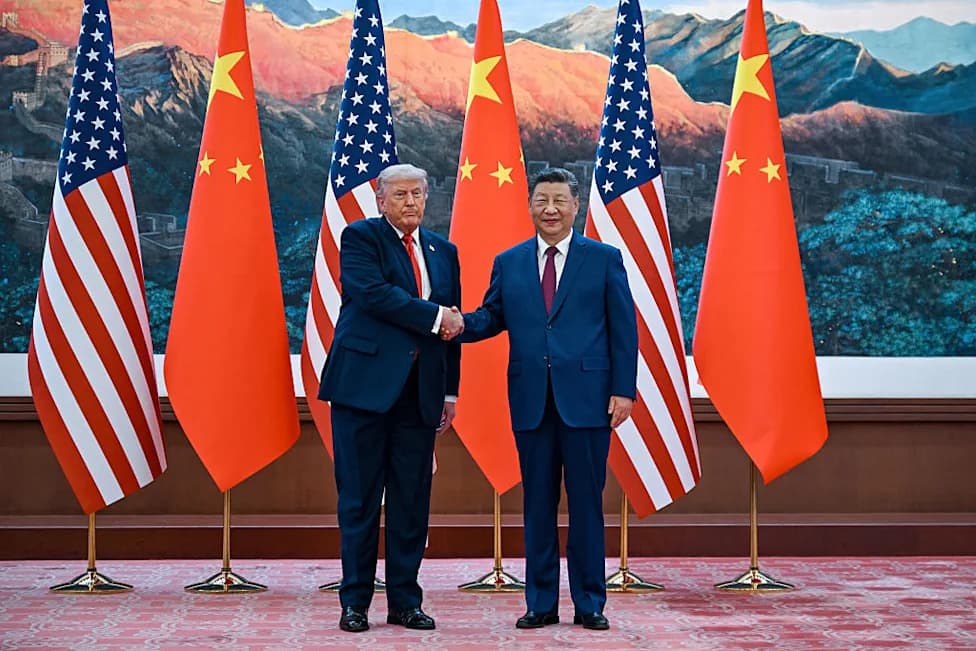
Global spending on nuclear arsenals reached a record $119 billion in 2025, an increase of $16.8 billion from 2024, ICAN reports. The United States accounted for roughly $69.2 billion — more than all other nuclear powers combined — while China, the UK, Russia and France also posted major increases. ICAN says nuclear-armed states have spent $471 billion over five years and are planning further modernization, a trend SIPRI says undermines disarmament commitments.
Global Nuclear Spending Soars to Record $119 Billion in 2025 — ICAN Warns of Dangerous Priorities
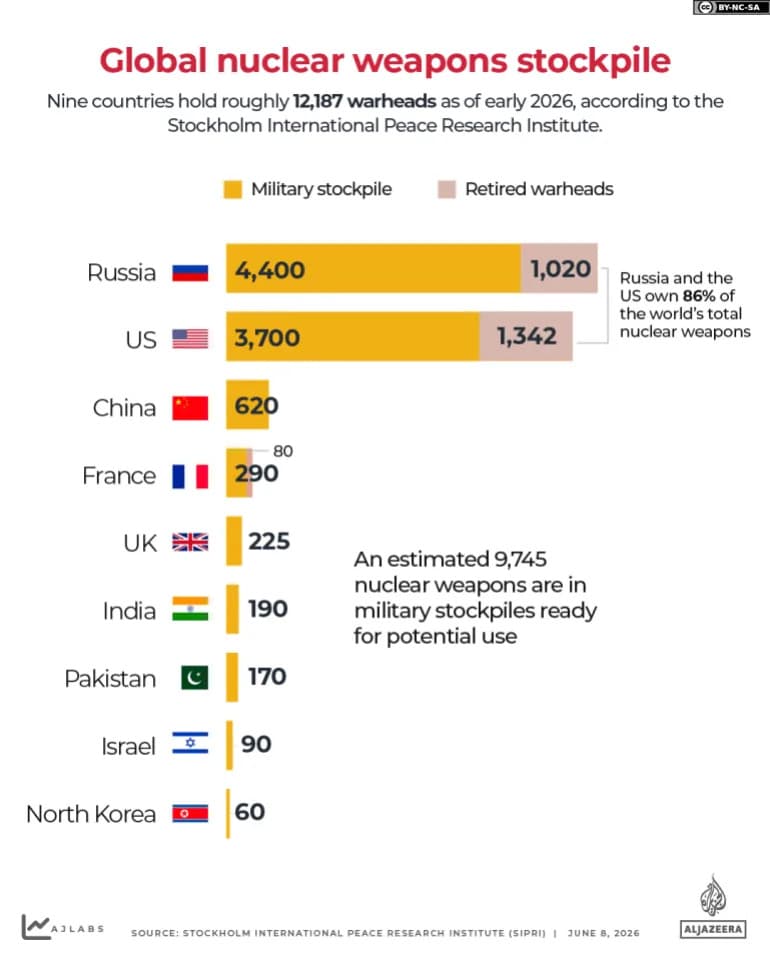
INTERACTIVE- SIPRI nuclear stockpile weapons -1780832911
Global spending on nuclear weapons climbed to an all-time high of $119 billion in 2025, according to a new report from the International Campaign to Abolish Nuclear Weapons (ICAN).
Key Findings
The world’s nine nuclear-armed states increased their combined expenditure by $16.8 billion compared with 2024. The United States accounted for an estimated $69.2 billion — a rise of $12.6 billion and more than the rest of the nuclear powers combined, ICAN said.
Other major spenders included China ($13.5 billion), the United Kingdom ($12.6 billion), Russia ($9.5 billion) and France ($7.7 billion). India, Pakistan, Israel and North Korea reported smaller budgets, ranging from about $656 million for North Korea to $2.8 billion for India.
“This exorbitant spending comes at a time when countries are significantly scaling back their investments in the global commons,” ICAN said. “This overwhelming spending on nuclear weapons shows a willingness to research, develop, finance and build tools to exterminate humanity instead of save it.”
ICAN also reported that nuclear-armed states have spent roughly $471 billion over the past five years and are planning to retain and modernize their arsenals for decades to come. Independent analysts estimate the nine states together hold more than 12,000 nuclear warheads, with the majority in the United States and Russia.
Broader Context
The ICAN findings follow a warning from the Stockholm International Peace Research Institute (SIPRI) that nuclear states are effectively sidelining disarmament commitments while investing in modernization and new capabilities. In addition, the Treaty on the Prohibition of Nuclear Weapons — the first legally binding global ban on nuclear arms adopted by the United Nations in 2017 — has not been signed by any nuclear-armed country. Ninety-nine non-nuclear states have signed, ratified or acceded to the treaty.
Efforts to limit arsenals in the past included a series of U.S.–Russia agreements; however, the most recent treaty, New START, expired in February without a successor arrangement in place.
Why it matters: The surge in funding highlights a widening gap between public priorities such as climate adaptation and international diplomacy, and government investments in nuclear armaments. Policymakers, analysts and campaigners warn the trend could make disarmament more difficult and raise global tensions.
Help us improve.