California’s slow vote tally reflects an inclusive mail-ballot system that verifies signatures and allows a 22-day cure period, which prioritizes ballot integrity but delays final results. High-profile figures have alleged fraud as late mail ballots shifted some races, but officials and investigations have found no credible evidence of systemic fraud. Experts say targeted investments — more staff, better processing facilities and potential legal tweaks — can speed counts while maintaining security.
Why California Is Still Counting Votes — And Why Fraud Claims Don’t Add Up
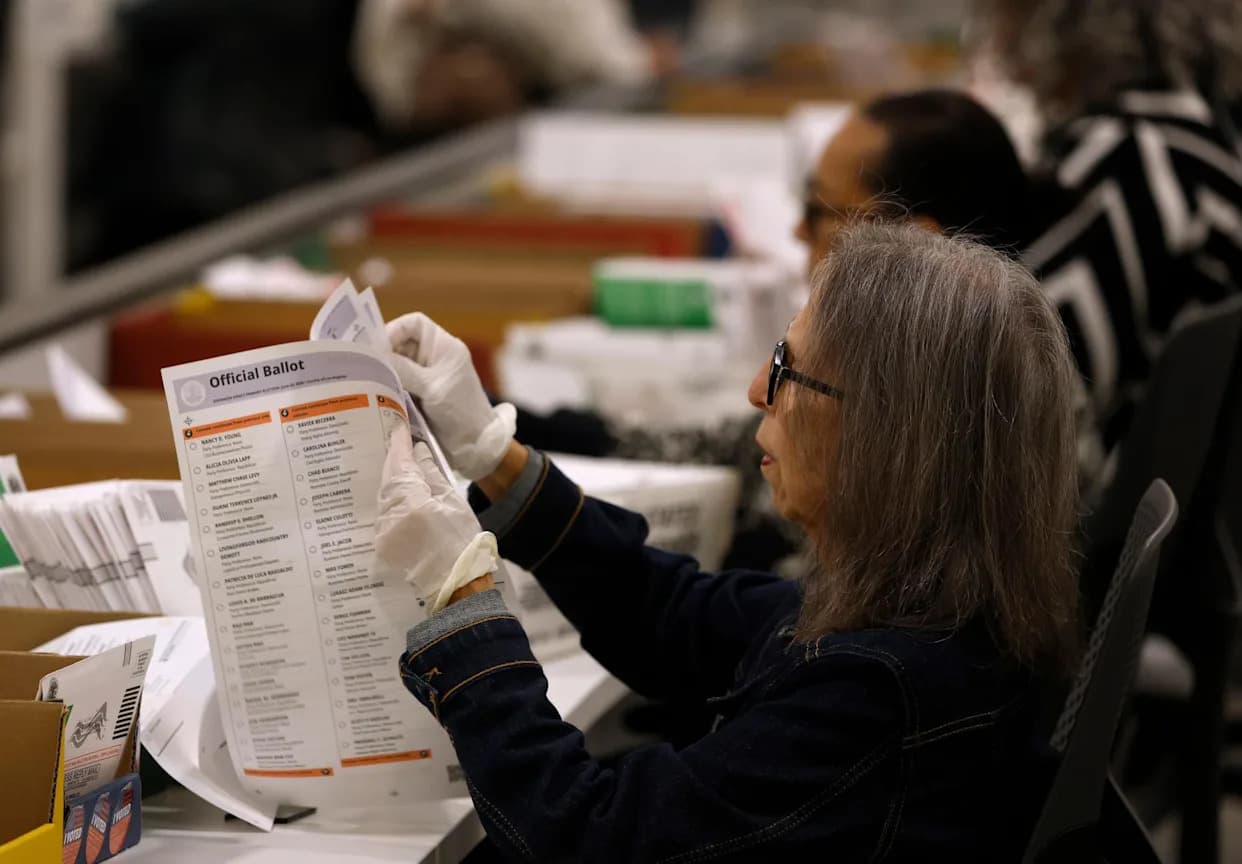
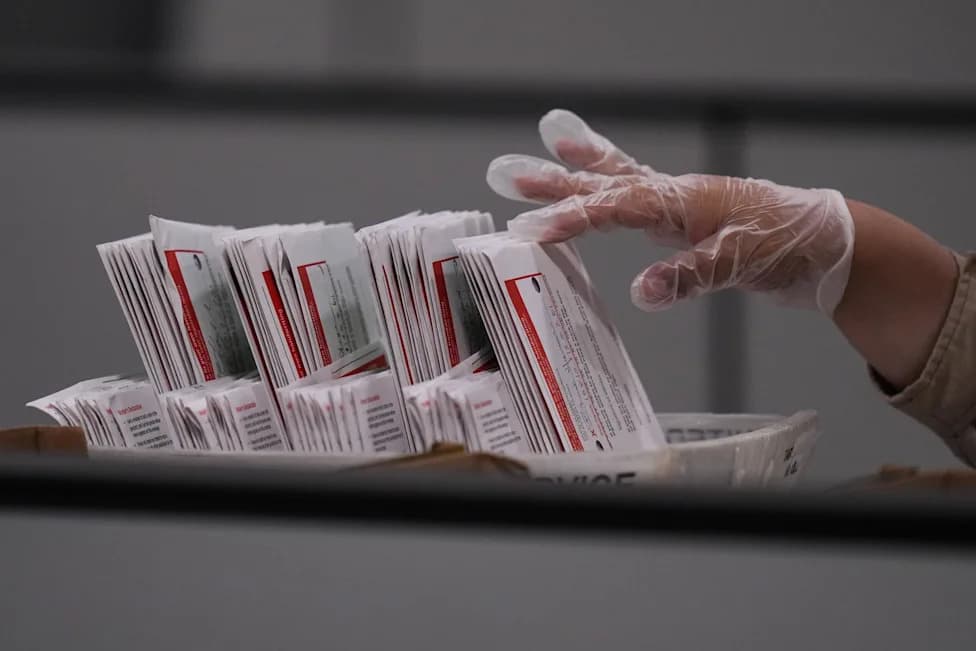
California election workers count ballots last week.Photograph: Justin Sullivan/Getty Images(Photograph: Justin Sullivan/Getty Images)
California’s vote count moved slowly after the primary, but the reasons are procedural and deliberate — not evidence of widespread fraud. With more than 2.5 million ballots outstanding after election night, races including the governor’s primary and the Los Angeles mayoral contest remained unsettled as officials continued verifying and processing ballots.
What Is Slowing California’s Count?
California mails ballots to every registered voter and gives voters time to correct signature or other minor errors. Ballots are checked electronically and by human reviewers, and voters have a 22-day “cure” window to fix problems so valid votes are not discarded. The state also accepts ballots postmarked on or before election day that arrive up to a week later — all rules that increase participation and accuracy but extend the time needed to produce final counts.
Many voters also return ballots at the last minute; when large numbers of mail ballots arrive after election night they are opened and processed in batches, which can produce late shifts in results. Counties that invest in processing capacity can move faster: Los Angeles County improved from counting 77% of ballots one week after election day in 2022 to 96.9% in 2024 after a $10 million investment in a processing facility.
Why Claims Of Widespread Fraud Don’t Hold Up
Prominent Republicans, including former president Donald Trump, and public figures have accused Democrats of “stealing” races as late-arriving mail ballots shifted results. But multiple officials have found no credible evidence of systemic fraud in California’s recent counts. The U.S. attorney’s office in Los Angeles and local registrars have reviewed specific social-media allegations and debunked false claims — for example, statements about an official update showing zero votes for a candidate were disproved by county records.
More broadly, voter fraud in the United States is vanishingly rare. The conservative Heritage Foundation’s long-running effort to document fraud turned up very few cases across decades and hundreds of millions of ballots, and Brookings Institution analysis of that dataset found fraud rates measured in hundred-thousandths of a percent (for example, an estimated 0.0000845% in Arizona) with no proven cases that altered major outcomes.
Recent Developments Around The Races
In the governor’s primary, Republican Steve Hilton — backed by Trump — moved toward a runoff spot while Democrat Xavier Becerra led another slot. In Los Angeles, progressive councilmember Nithya Raman overtook reality-TV figure Spencer Pratt for the second runoff spot as mail-in ballots were tallied. Forecasts from outlets such as Decision Desk HQ prompted social-media reactions, including posts by Trump and others alleging fraud without evidence.
Outside social media, the Department of Justice sent an observer to Los Angeles ballot processing and local federal prosecutors announced election-fraud inquiries; however, public statements and record checks have so far refuted several specific viral claims.
How California Can Speed Counting — Without Sacrificing Security
Experts and lawmakers recommend targeted investments: more staff, better equipment, and centralized processing facilities. Legislative changes — such as shortening the ballot cure window — have been proposed, and the state recently reduced cure days from 26 to 22. Dozens of counties now allow voters to drop off and cast mail ballots at polling sites so those ballots can be processed the same day, which helps provide immediate assurance to voters.
Bottom Line
Slow counts in California are largely the product of policies designed to increase participation and preserve valid votes, especially mail ballots and cure procedures. While late-count swings are politically combustible and invite unfounded allegations, they do not, by themselves, indicate fraud.
Help us improve.