The EU has widened sanctions on Iran in response to what it calls a near-total blockade of the Strait of Hormuz, targeting the Hormozgan Provincial Command of the IRGCN, deputy commander-spokesperson Mohammad Akbarzadeh, and oil-export union representative Hamid Hosseini. The bloc accuses the command of screening vessels, imposing transit tolls and undermining freedom of navigation, and says Akbarzadeh threatened attacks on ships. The measures freeze any assets in the EU and impose entry and transit bans on listed individuals. The move follows a recent exchange of fire between Israel and Iran and prompted calls from EU officials for renewed negotiations to avoid wider conflict.
EU Expands Sanctions on Iran, Targeting IRGCN Over Near-Total Blockade of the Strait of Hormuz
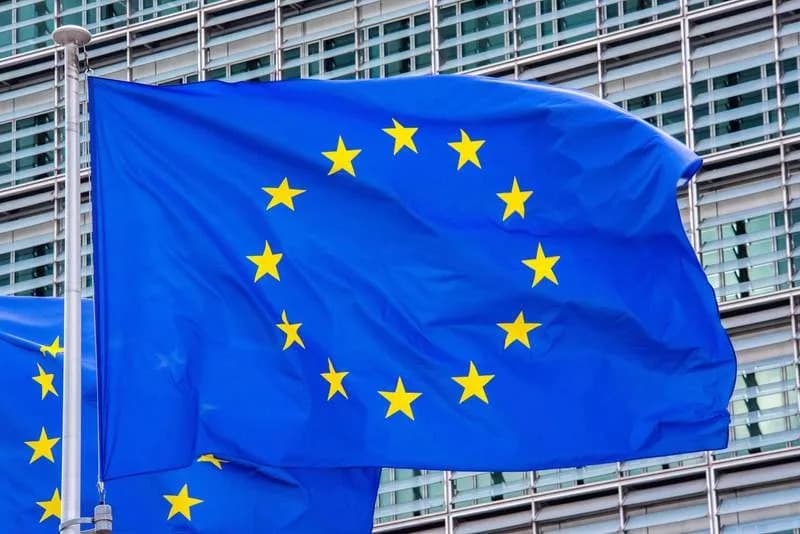
European Union flags fly in front of the Berlaymont building in Brussels. (is associated with: «EU imposes more sanctions on Iran over Strait of Hormuz») Alicia Windzio/dpa
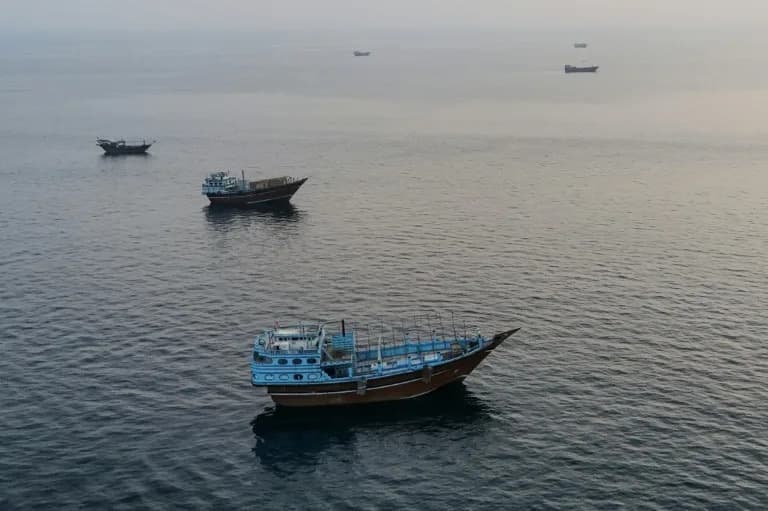
The European Union on Monday announced fresh sanctions against Iran in response to what it says amounts to a near-total blockade of the Strait of Hormuz, a strategic waterway for global energy and trade.
Targets and Rationale
The measures name the Hormozgan Provincial Command of the Islamic Revolutionary Guard Corps Navy (IRGCN), its deputy commander and spokesperson Mohammad Akbarzadeh, and Hamid Hosseini, a representative of Iran’s Oil, Gas and Petrochemical Products Exporters’ Union.
In a press release, the EU said the Hormozgan command "screens vessels and determines which ones are allowed to transit through the Strait, sometimes subject to the payment of a toll," a practice the bloc says undermines freedom of navigation in the Middle East. The EU also accuses Akbarzadeh of threatening to use missiles or drones against vessels transiting the Strait. Hosseini was sanctioned for promoting Iran's policy of submitting vessels to assessments and paying transit fees to Iranian authorities for safe passage.
Sanctions and Immediate Effects
The decision requires any assets held in the EU by the listed individuals or entities to be frozen. The named individuals are also subject to EU entry and transit bans. The IRGCN had already been under EU sanctions prior to this expansion.
The move comes shortly after a recent exchange of fire between Israel and Iran, which has raised regional tensions and sparked concern about further disruptions to commercial shipping through the Gulf and beyond.
Kaja Kallas, EU High Representative for Foreign Affairs and Security Policy: "A return to full-scale war would come at tremendous cost to the entire region. All sides must come back to the negotiation table."
Officials say the sanctions are intended to increase diplomatic and economic pressure on actors believed to be restricting navigation in international waters while signalling the EU's commitment to protecting maritime freedom and regional stability.
Help us improve.