Judge Eleanor Ross received a private reprimand after investigators concluded she had a two-year sexual relationship in chambers and initially lied about it; a forensic probe and interviews with six clerks followed. The 11th Circuit’s private reprimand and limited sanctions have renewed criticism about the judiciary’s lack of transparency and its employees’ limited legal protections. Advocates urge Congress to pass the Judiciary Accountability Act, extend whistleblower and anti-discrimination protections to court employees, and tie judicial funding to measurable reforms.
Judicial Sex Scandal Exposes Gaps In Court Accountability
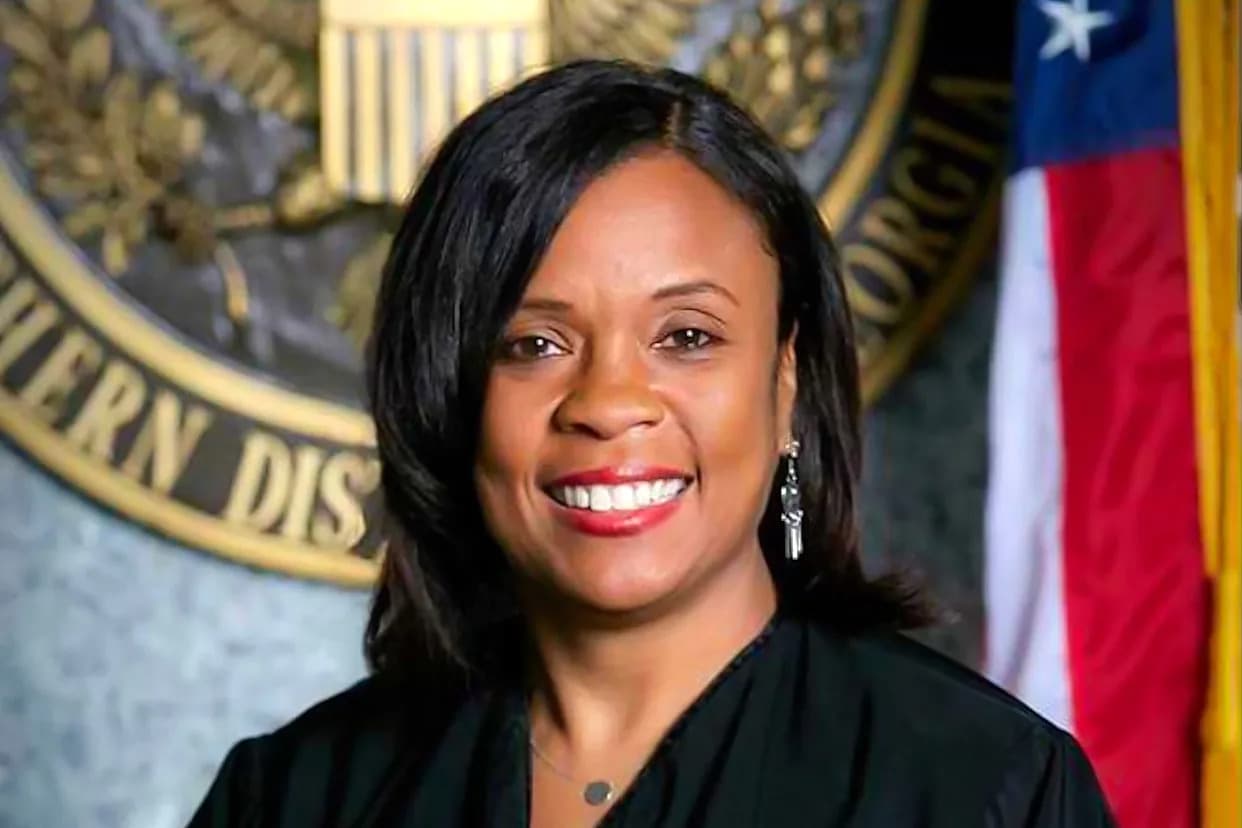
Federal judges are entrusted with immense power and must meet the highest ethical standards. Yet recent handling of misconduct allegations against U.S. District Judge Eleanor Ross highlights deep weaknesses in transparency, accountability, and protections for court employees.
In a widely reported case, investigators concluded that Judge Ross had a sexual relationship lasting about two years with a law enforcement officer that occurred in her chambers and within earshot of clerks. When questioned after a clerk reported the conduct in September 2025, Ross initially denied the allegations, accused the clerk of fabricating the claim, and later recanted. A forensic investigation and interviews with six clerks followed.
The 11th Circuit Judicial Council issued a private reprimand and kept much of the matter out of public view. Ross apologized to clerks and agreed not to serve as chief judge or on a judicial council, but the council declined to impose harsher sanctions, citing her record of judicial service and a low assessed risk of repeat misconduct. Critics say that rationale fails to grapple with the risks posed by poor judgment, lack of candor, and potential conflicts of interest—especially where local law enforcement agencies appear before the court.
Ross’s case is not isolated. Recent high-profile matters, including the 2024 resignation of Alaska federal Judge Joshua Kindred after conflicts with the U.S. Attorney’s Office, have produced administrative disruption, case reopenings, and public concern. The federal judiciary’s 2023 workplace conduct survey found roughly 1 in 17 judges were reported as abusive, yet only three judicial law clerks filed complaints under the Judicial Conduct and Disability Act that year. Observers point to structural reasons for low reporting: more than 30,000 judiciary employees are largely exempt from Title VII and many federal whistleblower, anti-discrimination, and labor protections, leaving subordinates with limited legal safeguards when they report misconduct.
Advocates and some lawmakers argue the courts cannot reliably self-police and that Congress must use oversight, legislation, and the power of the purse to enforce reforms. Proposals include the Judiciary Accountability Act (JAA), which would extend ordinary federal anti-discrimination protections to judicial employees, protect whistleblowers, remove certain immunity barriers, and require annual workplace climate surveys to quantify the problem.
The House Appropriations Committee has also been urged to tie parts of the judiciary’s budget to demonstrable reforms, such as mandatory workplace training for judges and clerks, implementation of clear guardrails and remedies, and completion of climate assessments. The Administrative Office of the U.S. Courts’ director is scheduled to testify before an appropriations subcommittee; supporters of reform say that is a key opportunity for hard questions about workplace conduct and discipline.
Why it matters: When judges are perceived as beyond meaningful accountability, public confidence in the courts erodes and litigants may legitimately question a judge’s impartiality and judgment. Limited sanctions in high-profile cases can ripple through the system—prompting motions to disqualify, case delays, and renewed scrutiny of judicial oversight practices.
Whether Judge Ross should resign or face impeachment is a partisan and legal question for Congress and the ethics process. What is clear is that the episode has renewed calls for stronger, clearer rules and external oversight to ensure the judiciary meets the standards it expects of others.
Meaningful reform will require legislation, sustained congressional oversight, and a willingness to condition funding on verifiable workplace and accountability improvements. Without those measures, critics warn, similar problems are likely to recur and public trust in the federal courts will suffer.
Help us improve.