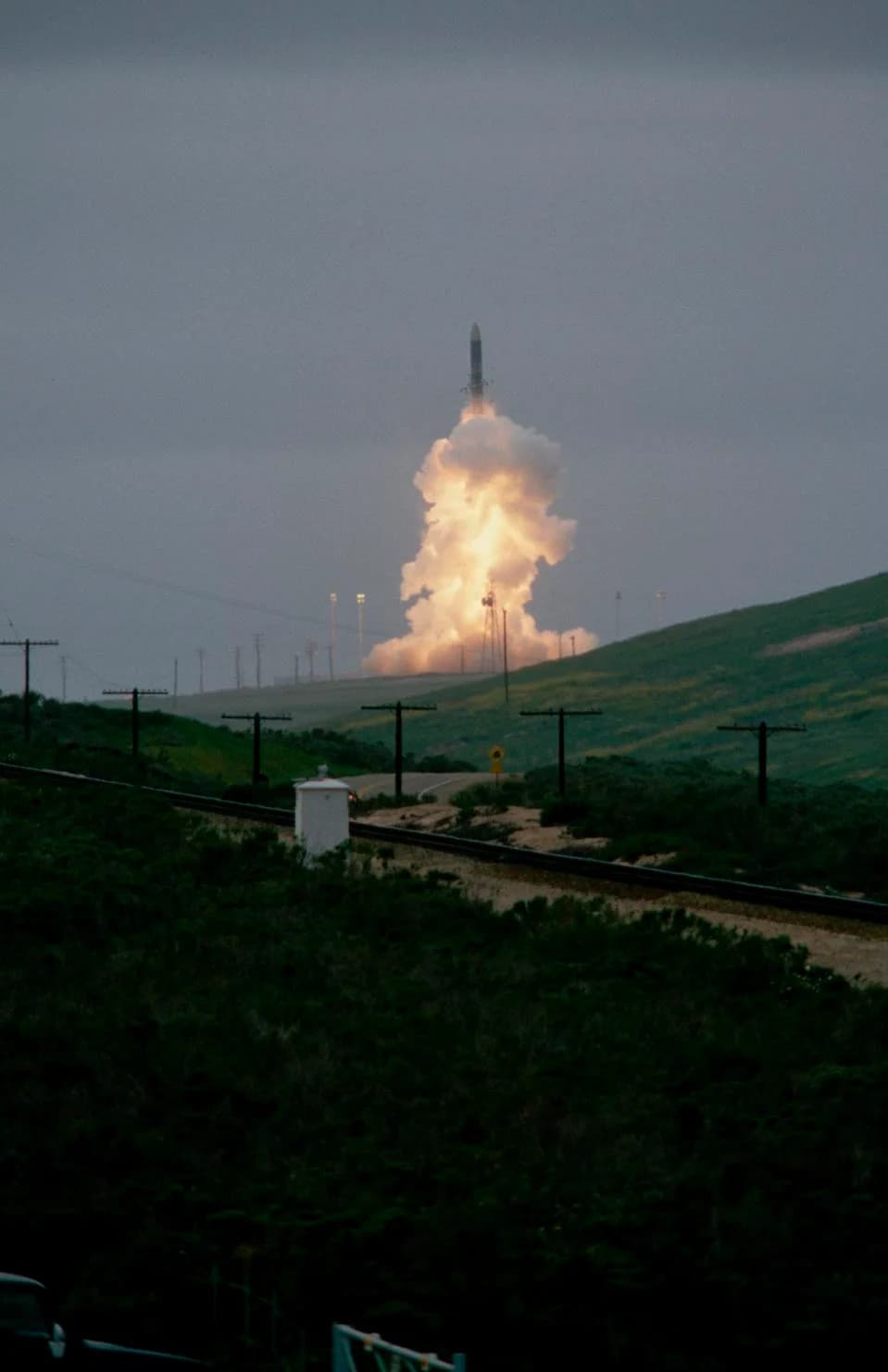
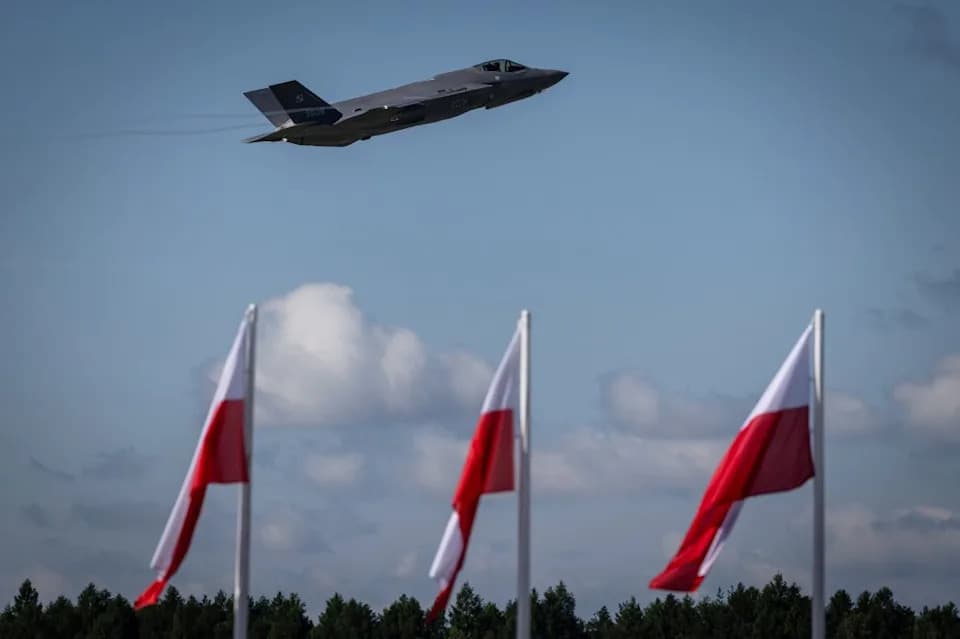
SIPRI reports that all nine nuclear-armed states have modernized or expanded their arsenals and that global stockpiles total an estimated 12,187 warheads as of January 2026. About 9,745 of these are in military stockpiles and roughly 4,012 are deployed on missiles and aircraft. Russia and the United States hold approximately 83% of stored warheads, and SIPRI warns that slowing disarmament and increasing deployments could fuel an arms race and raise global risks.
SIPRI: Global Nuclear Arsenals Growing as Disarmament Slows — 12,187 Warheads Recorded (Jan 2026)
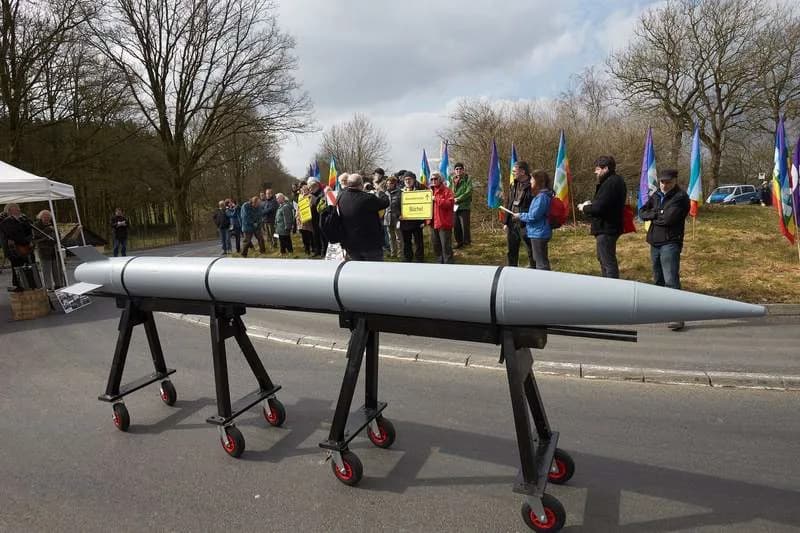
FILE PHOTO - People take part in a protest with a model of a rocket to call for the end of nuclear armament and the withdrawal of an alleged last nuclear weapons forom Germany, at the entrance of the German Armed Forces air base in Buechel, Germany, 26 March 2018. (is associated with: «Nuclear arsenals growing worldwide, researchers say») Thomas Frey/dpa
The Stockholm International Peace Research Institute (SIPRI) warns that nuclear weapons are on the rise worldwide as modernization and deployment accelerate and disarmament efforts stall. Its report, published Monday, finds that all nine nuclear-armed states have either modernized or expanded their arsenals amid mounting geopolitical tensions.
Key Findings
SIPRI estimates that the nine nuclear-armed states — the United States, Russia, the United Kingdom, France, China, India, Pakistan, North Korea and Israel — possessed 12,187 nuclear warheads as of January 2026. Of these, roughly 9,745 were held in military stockpiles available for potential use, and about 4,012 were estimated to be deployed on missiles and aircraft.
Between 2,100 and 2,200 warheads were kept on ballistic missiles at the highest level of readiness, with almost all of these belonging to Russia and the United States and, to a lesser extent, the United Kingdom and France. Russia and the US together hold around 83% of all stored nuclear warheads, according to SIPRI estimates.
Driving Dynamics
"The evidence is growing that the nuclear weapon states are sidelining, and even walking away from, their disarmament commitments and are instead flexing their nuclear muscles," SIPRI researcher Hans Kristensen said in a statement.
"By reaching for nuclear solutions, states are creating new risks and fuelling arms-race dynamics."
The report also notes that during the war in Ukraine Moscow has repeatedly signalled its nuclear capabilities to deter greater Western support for Kyiv — a development SIPRI cites as part of a broader trend of nuclear signalling and posturing.
Implications
After a decades-long decline in global stockpiles following the Cold War, SIPRI warns that this downward trend may now reverse as disarmament slows and new deployments increase. The institute highlights the risk that renewed investment in nuclear forces, combined with rising geopolitical tensions, could spur an arms race and heighten global security risks.
Since the United Kingdom's departure from the European Union, France remains the only nuclear-armed state within the EU. SIPRI calls for renewed diplomacy, transparency and strengthened arms-control measures to reduce risks and resume meaningful disarmament.
Note: All numerical estimates are SIPRI's best available figures for January 2026 and are subject to revision as additional data becomes available.
Help us improve.