
US Ambassador to the EU Andrew Puzder says former President Donald Trump remains "very disappointed" with NATO after several European countries refused base access and overflight rights during US strikes on Iran. Spain and Italy denied requests, Britain initially resisted then limited support, while Germany criticised the campaign but allowed base use. The strikes on February 28 prompted Iran to close the Strait of Hormuz, disrupting energy flows and raising global tensions. The episode strained transatlantic trust, spurred US reductions in some NATO-available capabilities, and prompted a UK–France coalition deployment to help reopen the strait.
Trump 'Still Disappointed' With NATO Over Iran Strikes, US Ambassador Warns
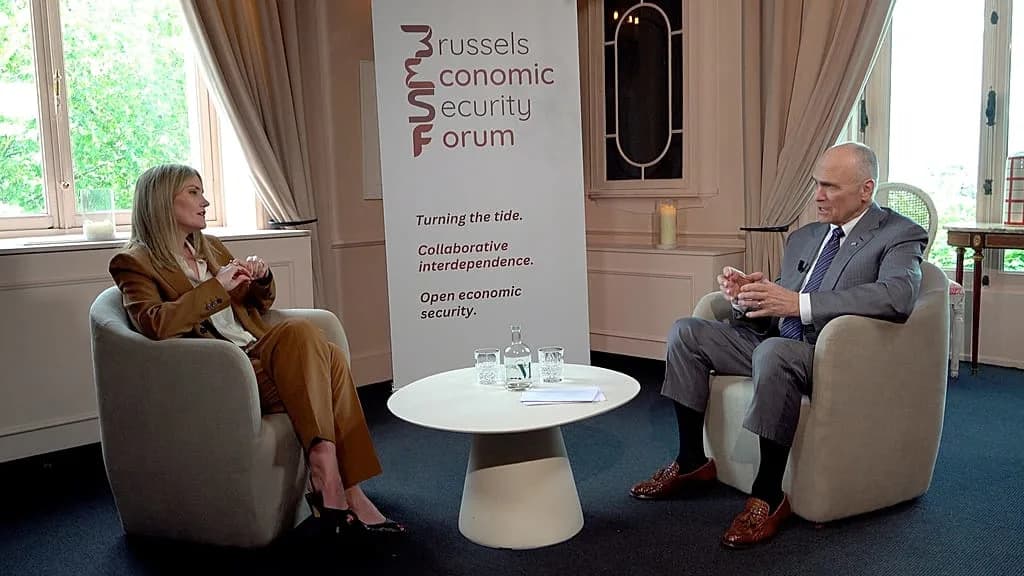
Trump 'still disappointed' with NATO over Iran, warns US Ambassador
Andrew Puzder, the US Ambassador to the European Union, says former President Donald Trump remains angered by several NATO members' refusal to grant access to bases or overflight rights during US strikes on Iran. Puzder made the remarks at the Brussels Economic Security Forum, where he described the episode as damaging to transatlantic trust.
What Happened
The dispute erupted after the US — together with Israel, according to reports — conducted widespread air strikes inside Iran on February 28. Several European governments, including Spain and Italy, declined requests to provide base access or overflight permissions for US warplanes carrying munitions. The British government initially refused the use of UK bases in Cyprus for offensive strikes but later approved their use for "specific and limited defensive" purposes. Germany permitted base access but repeatedly criticised the objectives and strategy; German Defence Minister Boris Pistorius said, "this is not our war; we did not start it."
Puzder's Comments
"I don't know that it's subsided. I know he's very disappointed,"
Puzder argued the Trump administration viewed such cooperation as a basic obligation, pointing out decades in which the United States funded and maintained military infrastructure in Europe and came to the continent's defense in past conflicts. He warned that denying overflight and base access led Washington to question the reliability of traditional European allies.
Wider Consequences
In retaliation for the strikes, Tehran effectively closed the Strait of Hormuz, a critical maritime choke point that handles roughly one-fifth of global oil and gas shipments. The closure has largely halted traffic there, pushed energy prices higher, and heightened international instability.
Puzder said the episode contributed to a rift in transatlantic relations. Washington has since reduced certain US military capabilities available to NATO on European soil and announced troop adjustments amid a public spat between former President Trump and German Chancellor Friedrich Merz. In late April, Merz accused US negotiators of being "humiliated" by Iran's leadership and criticised the campaign's objectives. Trump replied on social media, urging the chancellor to focus on other issues.
Attempts To Repair The Rift
In an effort to reassure global markets and mend relations, a UK–France–led coalition has deployed naval assets and personnel to the region to help reopen the Strait of Hormuz once hostilities end. Puzder described Europe's initial refusal for what some called "a small ask" as a significant mistake, agreeing that it was an unfortunate misstep.
Key quotes:
"We have bases in Europe that we have funded and supported for decades... When they won't even let us fly over their country or use our bases in their countries, you're going to find the United States, and particularly President Trump, will be very upset." — Andrew Puzder
Help us improve.





















