The president’s recent remarks about U.S. troops in the Middle East were vague, renewing anxiety among service members, families and allies. Drawing on his 2004 experience as deputy commander of the 1st Armored Division, the author argues that troops accept sacrifice when leaders provide clear objectives and explain why a mission matters. Mixed messages from senior figures deepen uncertainty, while the Normandy example shows how explicit goals unite allies. The piece concludes that American forces and partners deserve the same strategic clarity today.
Soldiers Deserve Clear Answers: Why Presidential Clarity Matters for Troops and Allies
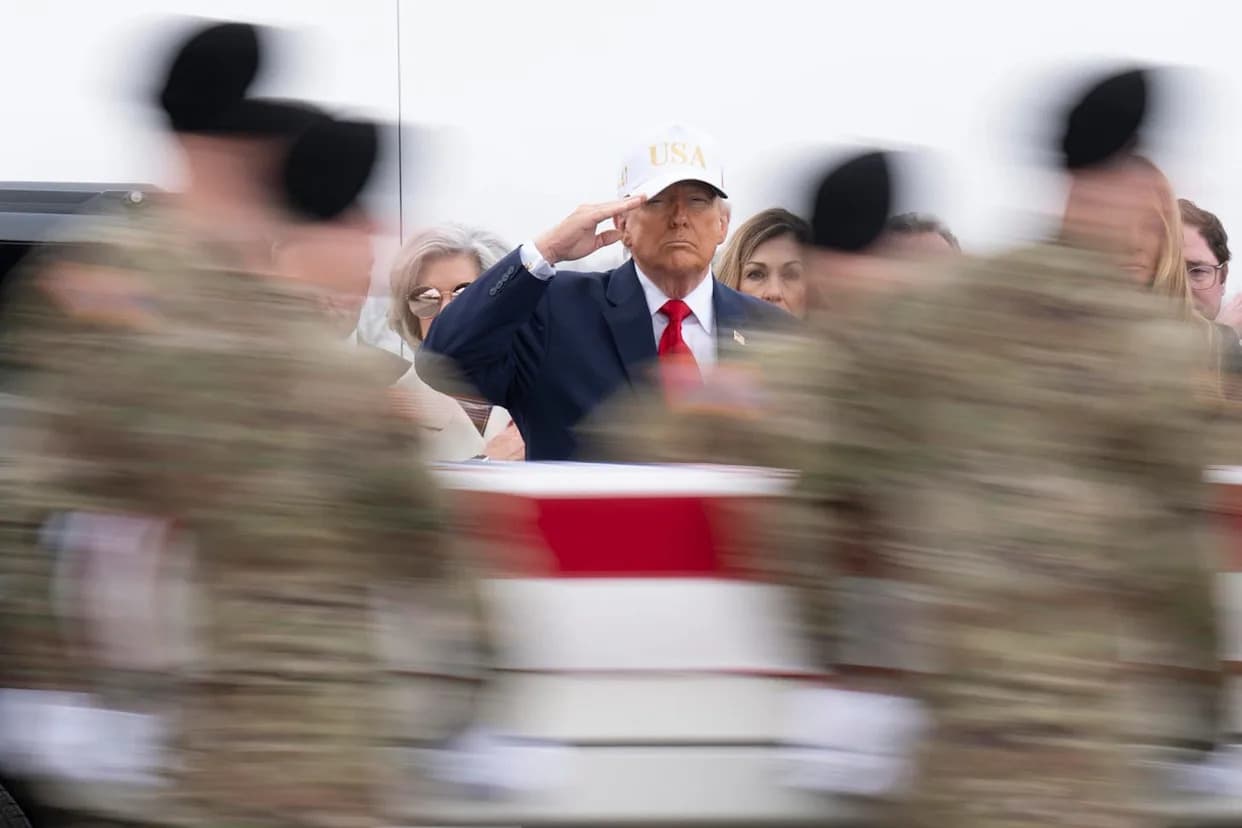
When NBC’s Kristen Welker asked President Trump whether he would consider withdrawing U.S. forces from the Middle East, his answers were strikingly vague: “It costs us very little to keep them there,” he said, adding, “But I think we’ll keep them there until such time as we have a completion. And when we have a completion, you will see things like you’ve never seen.” When pressed about whether the confrontation with Iran amounted to a war, he deflected: “I don’t define it at all. I don’t think about it. I just do what I have to do.”
Offhand remarks like these may be intended as quick interview quips, but they land differently for service members, military families and allied governments. They revive questions that should already be settled: Is there a plan? Is there a timeline? Has a definitive decision been made? Have commanders and the troops whose lives depend on those choices been told whether they will stay or return?
A Personal Memory: Iraq, 2004
My own memory goes back to spring 2004 in Iraq, when I served as deputy commander of the 1st Armored Division. After a year of combat, we were preparing to come home. Soldiers and families were counting down the deployment days; we had transferred responsibility for our area to the incoming unit and were well into the complex process of moving people and equipment. More than a third of our roughly 20,000 troops had already left Iraq.
Then the security situation changed. Muqtada al-Sadr’s uprising swept across central and southern Iraq and violence spiked. Rumors of an extension circulated through the division and soldiers asked blunt questions: Are we staying? For how long? What does this mean for families who have already made plans based on our return?
The decision ultimately arrived through official channels: our division would remain in Iraq, and some soldiers who had already returned home would have to come back. The disappointment among families was raw, but commanders explained the operational realities and connected the change to a clear purpose. Once they understood the reason, most soldiers accepted the hardship and resumed the mission with resolve.
Why Clarity Matters
Soldiers can absorb difficult orders. They endure long deployments, separation and danger far longer than most people imagine — but that endurance has limits, and it depends on clarity. When leaders explain what they want to accomplish, why it matters and how success will be measured, troops and families are more likely to accept sacrifice.
Over the past several months, thousands of American service members have been deployed across the Middle East. Families have rearranged lives, commanders have struggled to preserve readiness, and many personnel have faced extended tours and uncertainty. Thirteen American service members have been killed in recent months — a sober reminder of the stakes.
Despite sustained military activity, it remains difficult to point to a clear strategic end state that would allow U.S. forces to withdraw. The president spoke of “a completion,” but did not answer the central questions every soldier eventually asks: What exactly are we trying to accomplish? How will we know when we have succeeded? When will the mission be over? Absent answers, deployments begin to feel open‑ended.
Mixed Signals From Leadership
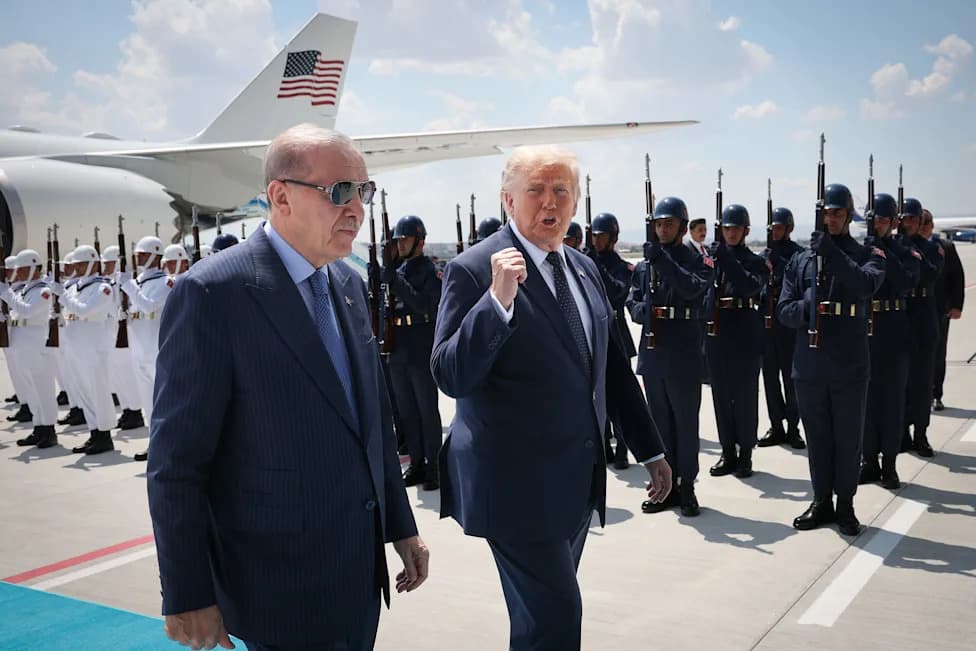
Ambiguity at the top is compounded when other senior figures offer mixed or rhetorical messages. At a recent Normandy remembrance ceremony, a senior administration figure, Pete Hegseth, offered tributes to the alliance but also wandered into cinematic warnings about unspecified future threats — language that can confuse more than clarify.
Normandy is a lesson in the power of clarity. The soldiers who landed in 1944, their governments and their citizens understood the objective. Gen. Dwight Eisenhower’s mission statement from the Anglo‑American Combined Chiefs left no doubt: operate “aimed at the heart of Germany and the destruction of her armed forces.” That short, explicit objective helped unite allies and focus action.
A Simple Conclusion
American troops and allied partners deserve the same candor and strategic clarity today. When commanders take time to explain operational realities and connect decisions to a thoughtful, necessary aim, soldiers steady themselves and get on with the mission. They will accept hardship and risk — and allies will stand with the United States — when policy is explained and executed with competence, respect and honesty.
Help us improve.