Scotland's new parliament includes a record nine MSPs who identify as disabled, up from six in the previous session, but campaigners say representation still lags behind the population. The 2022 Census found about 1.3 million Scots (24%) have long-term health problems or disabilities, while only roughly 7% of MSPs identify as disabled. The Access to Elected Office Fund has helped candidates overcome costs and practical barriers, yet advocates urge greater support for hidden disabilities and ongoing workplace adjustments at Holyrood.
Scotland's Parliament Has Record Nine Disabled MSPs — Progress Made, But Barriers Persist
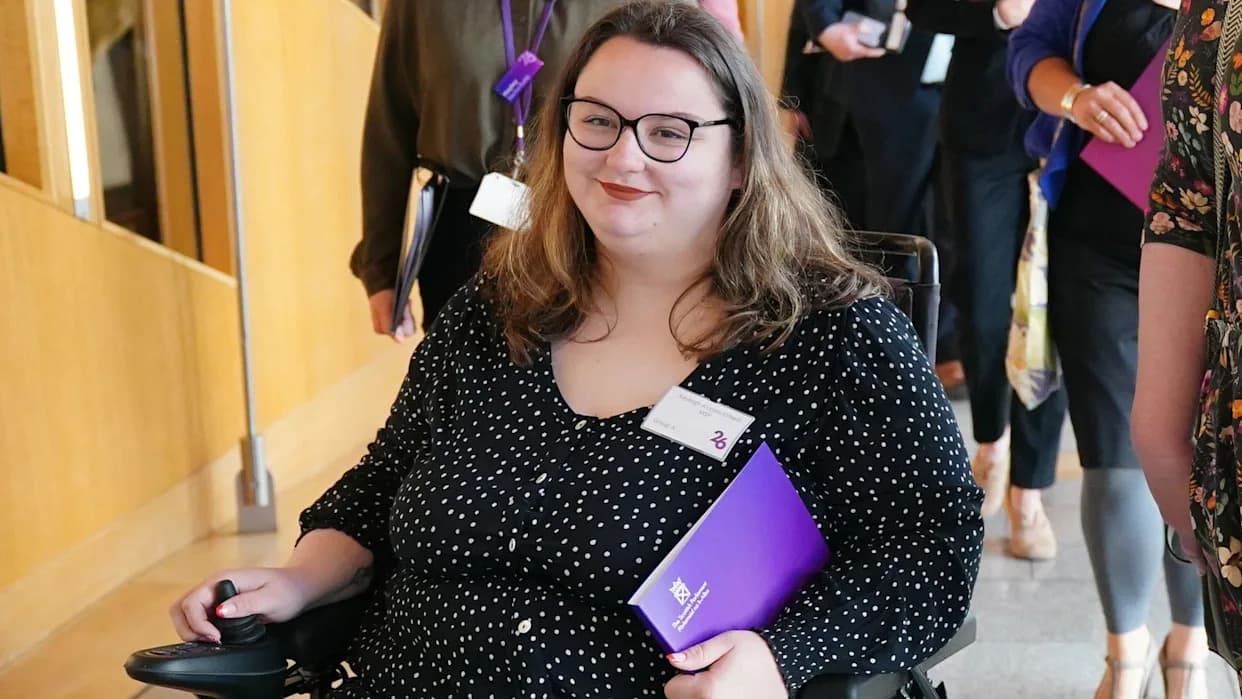
Kayleigh Kinross-O'Neill says it is important to ensure disabled people remain in Holyrood [PA Media]
Scotland's new parliament includes a record nine Members of the Scottish Parliament (MSPs) who identify as disabled — an increase from six in the previous session — yet campaigners say the assembly still falls short of reflecting the population it serves.
The Numbers
The 2022 Census found about 1.3 million people in Scotland (roughly 24% of the population) reported a long-term health problem or disability that limits daily activities. By contrast, only around 7% of MSPs identify as disabled. While the recent election improved representation, advocates stress that more progress is needed to match civic leadership with population diversity.
Practical Improvements at Holyrood
Some concrete accessibility changes at the parliamentary estate have helped recent arrivals. New Scottish Greens MSP Kayleigh Kinross-O'Neill, a wheelchair user, says staff consulted her before her first day and implemented practical adjustments such as an evacuation plan, remote-voting accommodations and automatic doors to her office. She describes those measures as "fundamental adjustments" that make a real difference to daily working life.
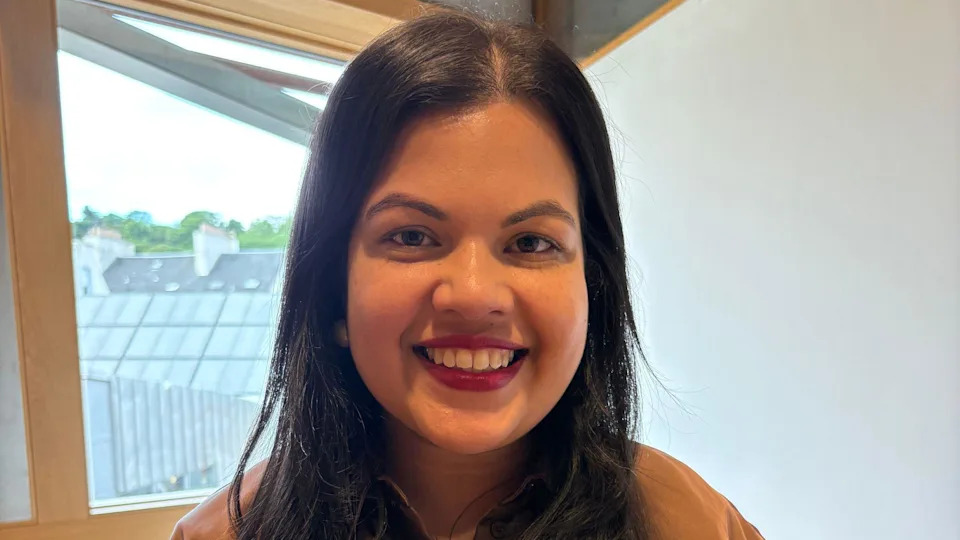
Simita Kumar says there is more to do for disabled MSPs [BBC]
Recognising Hidden Disabilities
Campaigners emphasise that not all disabilities are visible. SNP MSP Katie Hagmann, who has dyslexia, says parliamentary accessibility must account for hidden conditions as well as physical barriers. Hagmann received support from the Access to Elected Office Fund and uses adaptive reading software to cope with the large volumes of paperwork and communications that come with political office.
The Access To Elected Office Fund
Scotland was the first country to enshrine in law a fund to help election candidates with disabilities — the Access to Elected Office Fund. During the most recent campaign cycle, 22 people received support from the fund and five of those recipients went on to be elected as MSPs. The fund can cover extra transport, interpreters, support workers, guides and other disability-related costs incurred while campaigning.
Equalities Minister Simita Kumar said the Scottish Government remains committed to widening access to politics: 'I agree, we have to do more in this space.' She also called for other governments across the UK to consider similar measures so elected bodies better reflect the populations they serve.
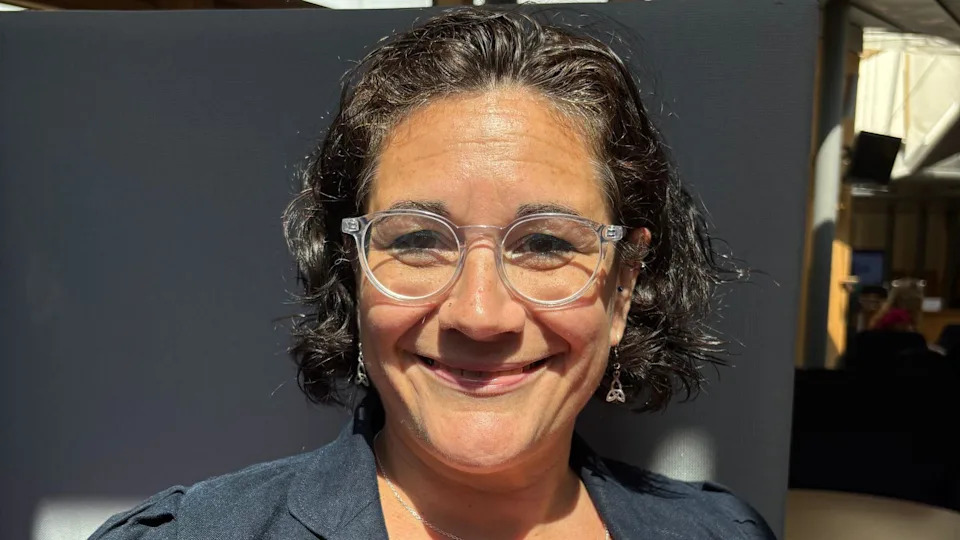
Katie Hagmann wants parliament to do more for people with hidden disabilities [BBC]
Ongoing Work And Remaining Challenges
Holyrood's facilities team reports that accessibility work continues to evolve beyond ramps and doors: attention is being paid to lighting, acoustics and the experience of people with neurodiverse conditions. Alan Durward, head of facilities management, said these details can be vital to making the workplace inclusive.
Heather Fisken, chief executive of Inclusion Scotland, welcomed the increase in disabled MSPs but warned that disabled people are still under-represented relative to their share of the population: 'It's a bit of an improvement, but we've still got a long way to go.' Advocates call for sustained workplace adjustments, better awareness of hidden disabilities, and continued funding to remove the extra costs that can prevent disabled people from standing for election.
As Scotland celebrates a record number of disabled MSPs, the focus is shifting from access to retention: ensuring that people with disabilities not only win seats but can build long, sustainable careers in politics.
Help us improve.