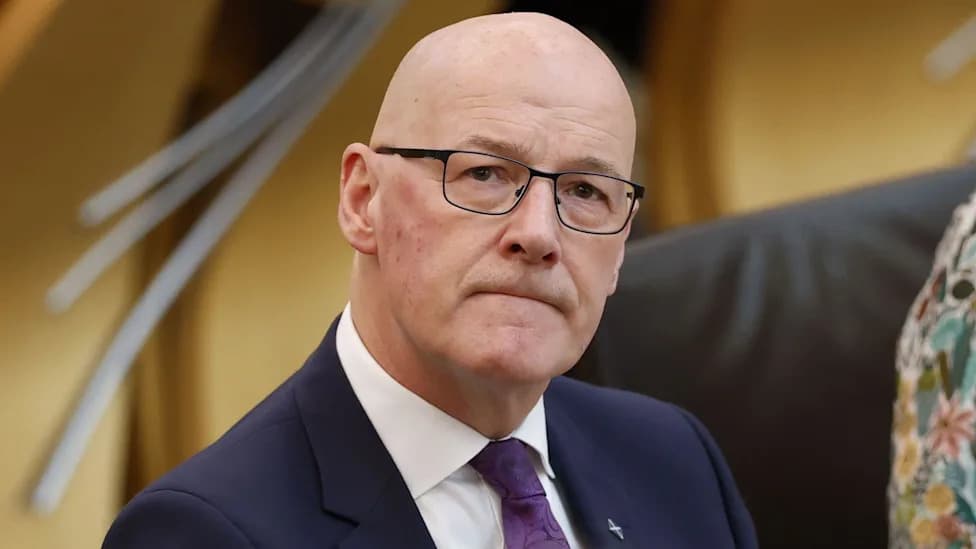
First Minister John Swinney has set out his aim to hold a second Scottish independence referendum before the current Holyrood term ends in 2031, after meeting nationalist counterparts in Cardiff.
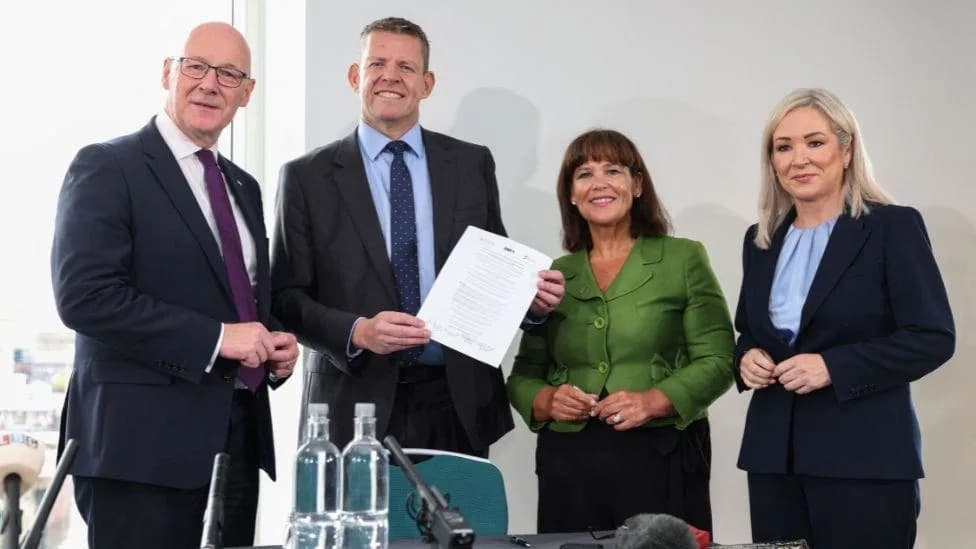
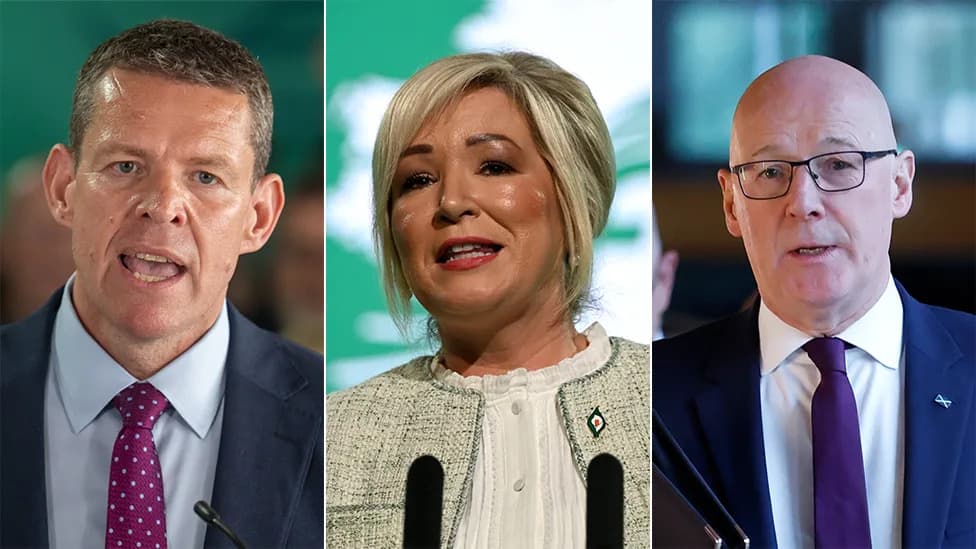
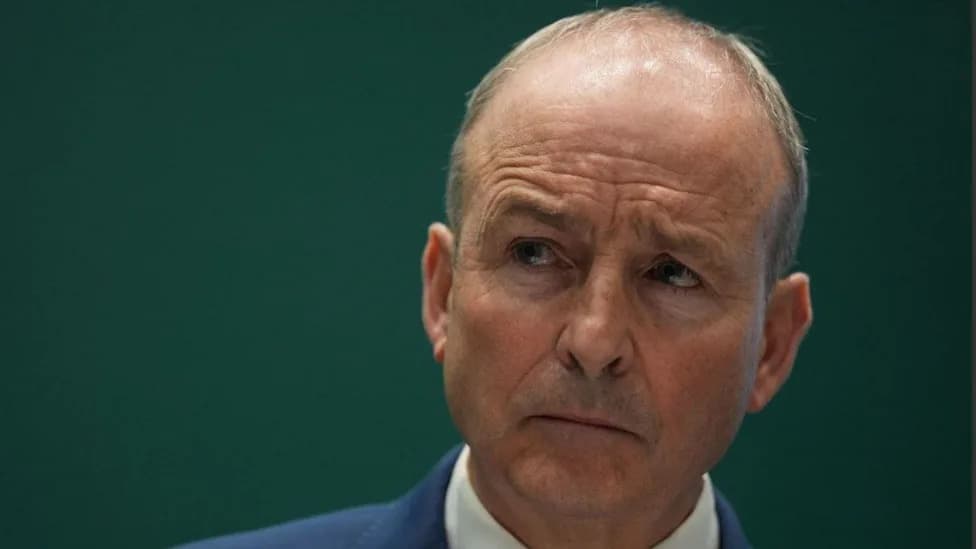
At a summit attended by the leaders of the SNP, Plaid Cymru and Sinn Féin, the four signatories issued a joint declaration asserting that "Westminster's time is coming to an end" and that each nation has the right to determine its own future through democratic means. Mr Swinney repeated his belief that, if given the choice, a majority of Scots would vote for independence and even predicted that Andy Burnham would be the last prime minister of the United Kingdom.
What Was Agreed In Cardiff
The Cardiff meeting produced a declaration and a compact — the Cardiff Agreement — under which Scotland and Wales pledged to cooperate on constitutional matters, child poverty, the cost of living, and international engagement. The leaders said there must be "no obstacles" to peoples expressing their right to self-determination, while acknowledging each nation will pursue its own path.
Numbers, Polls And Political Context
Mr Swinney pointed to a record number of pro-independence MSPs in Holyrood — 73 when SNP and Scottish Greens are combined — and recent opinion polls that have shown a narrow lead for independence in some surveys. Combined SNP and Green vote share fell to roughly 41% in May, however, and the SNP lost seats in that election.
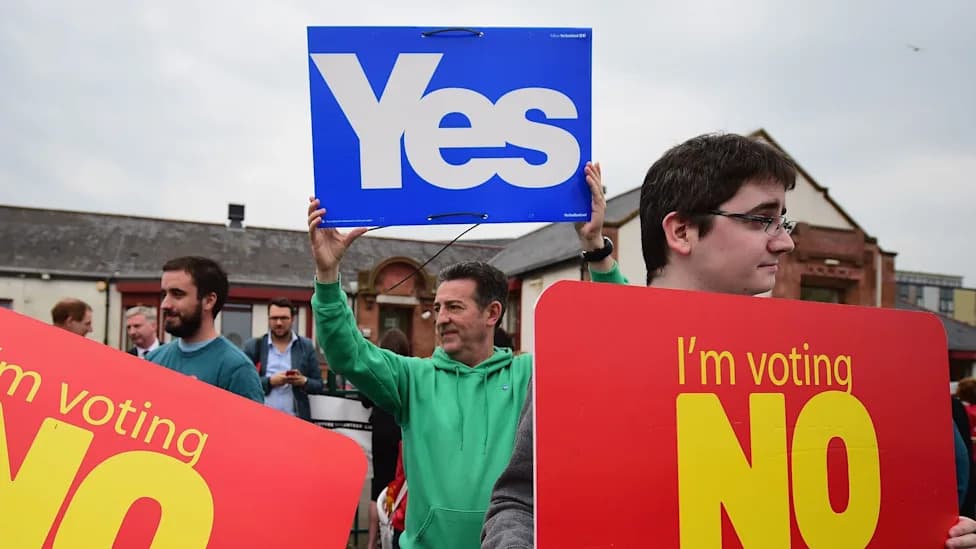
Scotland previously voted to remain in the UK in 2014 by 55% to 45%. Pressure for a second referendum intensified after the 2016 Brexit vote, but the UK Supreme Court ruled in 2022 that the Scottish Parliament cannot lawfully hold an independence referendum without Westminster's consent. Mr Swinney has suggested a vote could be possible as early as 2028, though legal and political mechanisms for delivering such a referendum remain unresolved.
Responses And Reactions
Prime Minister Andy Burnham and senior UK ministers have dismissed plans for a new referendum as "off limits." A Downing Street spokesman said the prime minister is focused on easing the cost-of-living crisis and strengthening economic security rather than engaging in constitutional debates. Labour has reiterated its manifesto opposition to another referendum, and Burnham said there will not be a vote until there is "majority public support."
Conservative and other unionist voices criticised the Cardiff meeting. Scottish Secretary Douglas Alexander called independence and a referendum "off limits," warning it would distract from economic priorities. Reform UK Scotland leader Malcolm Offord described the plans as "fantasy politics," while Scottish Conservative leader Russell Findlay said many Scots would recoil at the SNP forming a partnership with Sinn Féin. Liberal Democrat MSP David Green suggested the summit should have focused on devolving power to local communities.
Analysis
The Cardiff summit is symbolically significant: for the first time, the first ministers of Scotland, Wales and Northern Ireland are all from parties that favour leaving the UK. But symbolism does not remove the legal and political hurdles that remain. Any route to a lawful referendum without Westminster's consent is unclear, and reaching sustained majority support for independence would likely be necessary before a credible vote could be held.
Mr Swinney's timeline — a referendum within this Holyrood term — is ambitious. Political commentators say it would require a sustained increase in public backing for independence and a clear legal pathway. The summit sends a stronger signal to unionist leaders that they must address public concerns about living standards and constitutional reform if they wish to shore up support for the Union.
Where Things Stand
The leaders' pledge in Cardiff marks a renewed campaign for independence in parts of the UK, but immediate change is unlikely while legal constraints and political opposition at Westminster persist. The coming years will test whether this cross-party coordination can translate into a viable, lawful route to another referendum.