Monsignor Stephen Rossetti was removed as the Archdiocese of Washington's official exorcist after suggesting in a public video that many UFO sightings could be demonic. A licensed psychologist who has led hundreds of sessions and cultivated a large social media following, Rossetti apologized and remains a priest but was criticized for making speculative claims outside formal Church teaching. The episode highlights tensions between hierarchical authority and clergy who build influence through attention-driven online content, especially on unsettled topics like UFOs.
Washington Exorcist Removed After Saying UFOs Are 'Demonic' — The Real Story Behind the Fallout
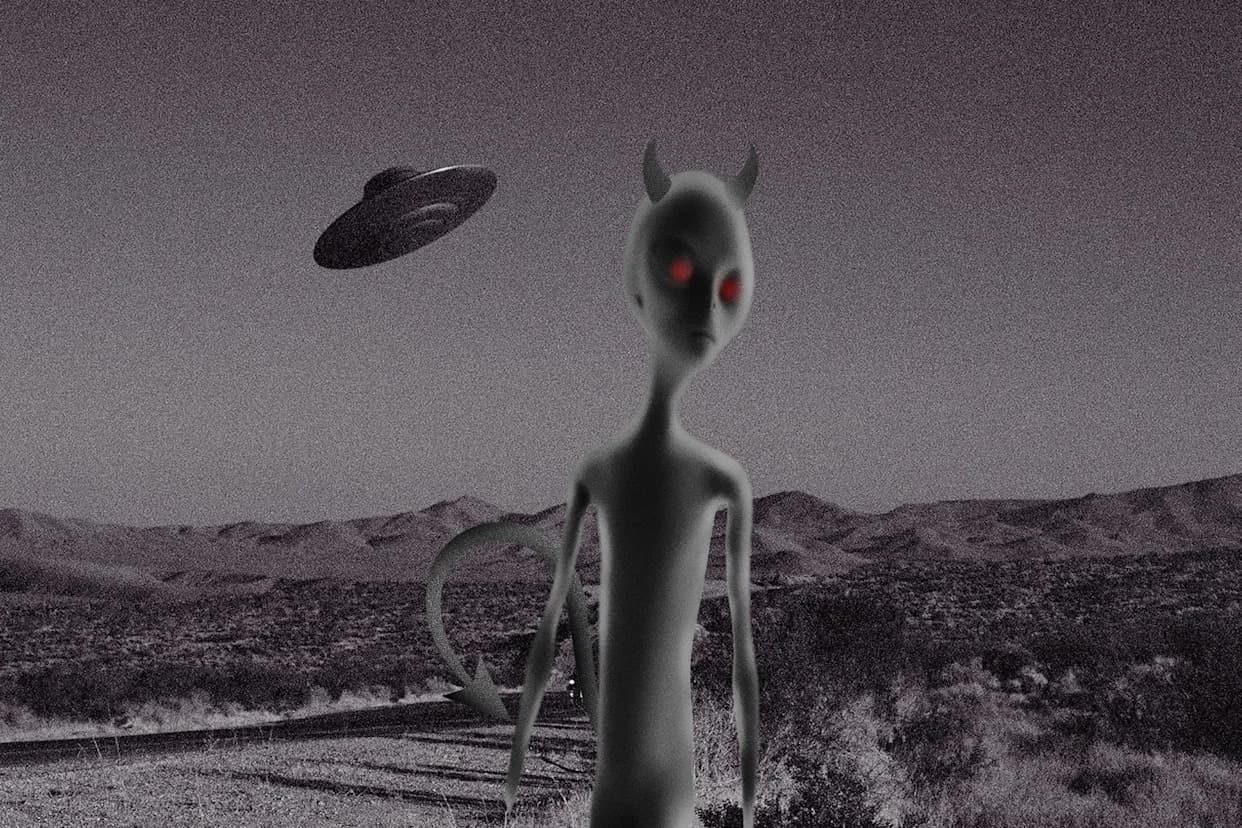
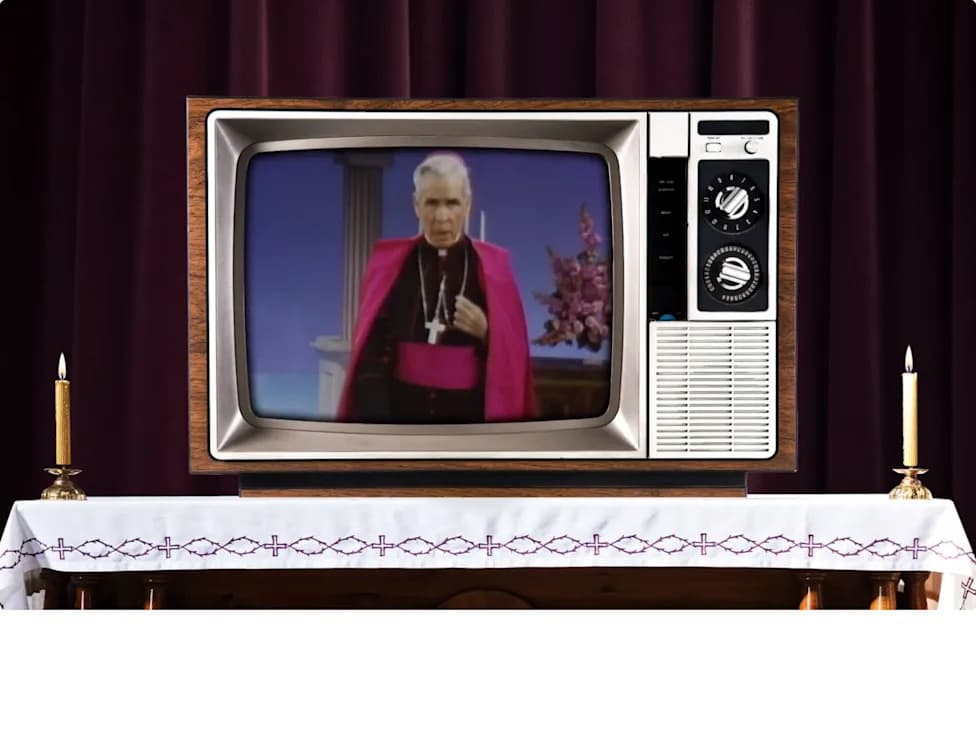
Monsignor Stephen Rossetti, an appointed exorcist in the Archdiocese of Washington, was removed from that role after saying many UFO sightings were likely demonic in a May 29 video. The decision — and the debate around it — highlights tensions between church authority and the incentives of social media.
What an Exorcist Does
Exorcists are designated priests within the Catholic Church tasked with investigating alleged cases of demonic influence. When someone reports possible possession, diocesan authorities typically require a careful process: medical, psychological and psychiatric evaluations followed by a canonical review. Only after those steps — and when natural explanations are reasonably excluded — will a trained cleric perform the Rite of Major Exorcism in a discreet setting using prayers, holy water, imposition of hands and other liturgical actions.
The Rossetti Case
Monsignor Stephen Rossetti, a licensed psychologist who has worked in the Archdiocese of Washington for roughly 15 years and who, according to his nonprofit, has "led hundreds of exorcism and deliverance sessions," publicly suggested in a May 29 Facebook video that "many if not most" UFO sightings are demons. Cardinal Robert McElroy announced that he had removed Rossetti from the official exorcist role, saying Rossetti's remarks "gravely undermine the Church's very precise teaching on the devil, demons and exorcism." Rossetti remains ordained and continues his duties as a priest.
Why the Church Responded
The archdiocese cited both the substance of Rossetti's UFO claims and his recent use of social media as reasons for the removal. Church leaders favor careful, theologically grounded instruction from authorized teachers; sensational, algorithm-friendly content that ventures into speculative territory can be seen as misleading or destabilizing to the faithful. Rossetti has a large online presence — tens of thousands of followers across platforms — and many of his posts are formatted to perform well with social algorithms.
Influencer Priests and Institutional Tension
Rossetti is part of a small but visible cohort of priests and exorcists who have built audiences online by discussing demons and spiritual warfare. The Vatican and many bishops advise discretion: exorcists traditionally work confidentially and coordinate with other clergy. But some clergy have embraced public platforms, sometimes layering political commentary into spiritual claims. Scholars such as Andrew Chesnut note that prominent American exorcists often hold conservative theological and political views, and examples have emerged where exorcism rhetoric has intersected with partisan disputes.
Broader Context: UFOs, Doctrine and the Attention Economy
The Catholic Church has no settled doctrinal position on UFOs or extraterrestrial life; that vacuum allows for a wide range of personal speculation. In the digital era, algorithms reward frequent, attention-grabbing posts, while ecclesiastical authorities prioritize doctrinal precision and pastoral prudence. The clash over Rossetti's comments therefore reflects a larger institutional struggle: controlling theological messaging in an environment where individual clergy can reach large audiences directly.
Aftermath
Rossetti issued a statement asking forgiveness "for any ways that I have not been faithful to the teachings of the Church's Magisterium, particularly in the cited video on 'aliens and the demonic.'" The episode did not center on allegations of misconduct in sacramental ministry; rather, it focused on public communications and fidelity to official teaching. It underscores how the Church is adapting to new public spheres and how clergy influence can outpace local oversight.
In short: the incident is less a mystery of extraterrestrials than a clash between hierarchical oversight and influencer-style clerical communication in the age of social media.
Help us improve.