Professor Richard Scolyer, a prominent Australian cancer expert, has died aged 59 after a three‑year battle with glioblastoma. He underwent a world‑first pre‑surgery combination immunotherapy and a personalised tumour vaccine developed with Professor Georgina Long. Early scans showed immune activity in his brain and spurred a small US clinical trial. Scolyer publicly chronicled his treatment, received national honours in 2024, and called for continued support for scientific research.
Professor Richard Scolyer Dies After Pioneering World‑First Brain Tumour Treatment
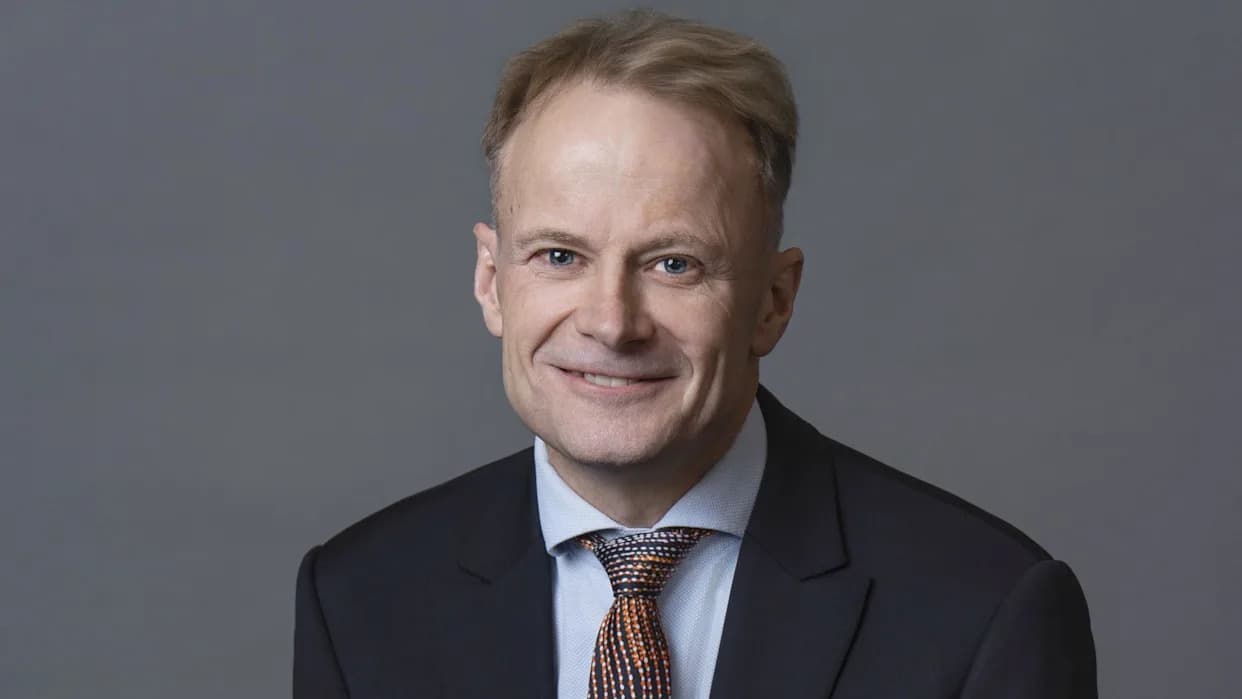
Richard Scolyer is globally recognised for his pioneering work on melanoma treatment [Tim Bauer]
Professor Richard Scolyer, a leading Australian cancer specialist and trailblazer in melanoma research, has died at 59, three years after being diagnosed with an aggressive glioblastoma.
Scolyer made international headlines when he chose to become the first patient to receive a world‑first experimental approach for glioblastoma: pre‑surgery combination immunotherapy paired with a personalised vaccine designed to target his tumour. The treatment, overseen by his colleague and friend Professor Georgina Long, built on breakthroughs the pair achieved in melanoma immunotherapy.
From Melanoma Breakthroughs to Bold Brain Cancer Treatment
As co‑directors of the Melanoma Institute Australia, Scolyer and Long helped transform outcomes for advanced melanoma patients through combination immunotherapy. Their work helped raise the proportion of patients effectively cured from under 10% to roughly half. Motivated by those results, they adapted the approach to Scolyer's glioblastoma in 2023 with the goal of stimulating an immune response in the brain before surgery.
What the Treatment Involved
The experimental protocol combined multiple immune‑boosting drugs given before surgery, together with a personalised vaccine tailored to the tumour's genetic profile. Although both Scolyer and Long acknowledged the chances of a cure were small, early post‑treatment scans showed signs consistent with an immune response in the brain. Those encouraging signals have prompted a small, early‑stage clinical trial in the United States to try to replicate the results.
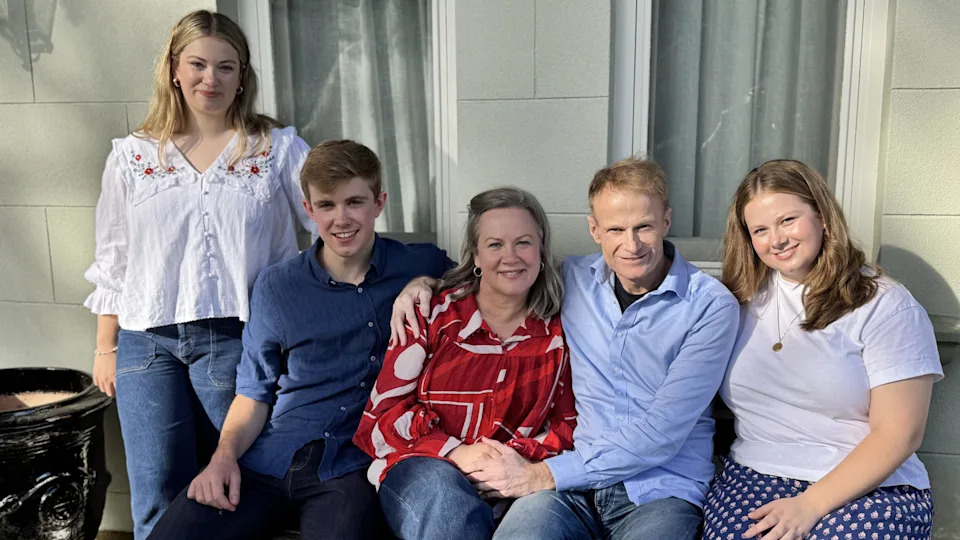
[Supplied]
"I wanted to keep contributing, even in my darkest hour," Scolyer wrote in an open letter announcing his death. "I pen this letter as a final goodbye to all those I have had the immense privilege of loving... and sharing life's adventures with."
Reactions, Recognition and Legacy
Prime Minister Anthony Albanese described Prof Scolyer as "one of our brightest lights and one of our biggest hearts," praising the courage with which he shared his journey. Colleagues remembered him as a brilliant scientist, a dedicated mentor to younger pathologists and a humble clinician who put patients first. In 2024 Scolyer and Long were jointly named Australian of the Year in recognition of their contributions.
Scolyer publicly documented his treatment, candidly sharing the highs and lows with the community. In his final letter he thanked his family and the Australian public for their support and urged continued investment in scientific innovation: "We can and should continue to push boundaries to propel the cancer field forward."
He is survived by his wife, fellow pathologist Katie Nicholl, and their three children.
What Comes Next
The small trial in the US aims to test whether the combination of pre‑surgery immunotherapy and personalised vaccines can produce reproducible benefit for other patients with glioblastoma. While glioblastoma remains a difficult diagnosis with historically poor outcomes, Scolyer's case has helped catalyse new research and renewed hope for approaches that harness the immune system against brain tumours.
Help us improve.