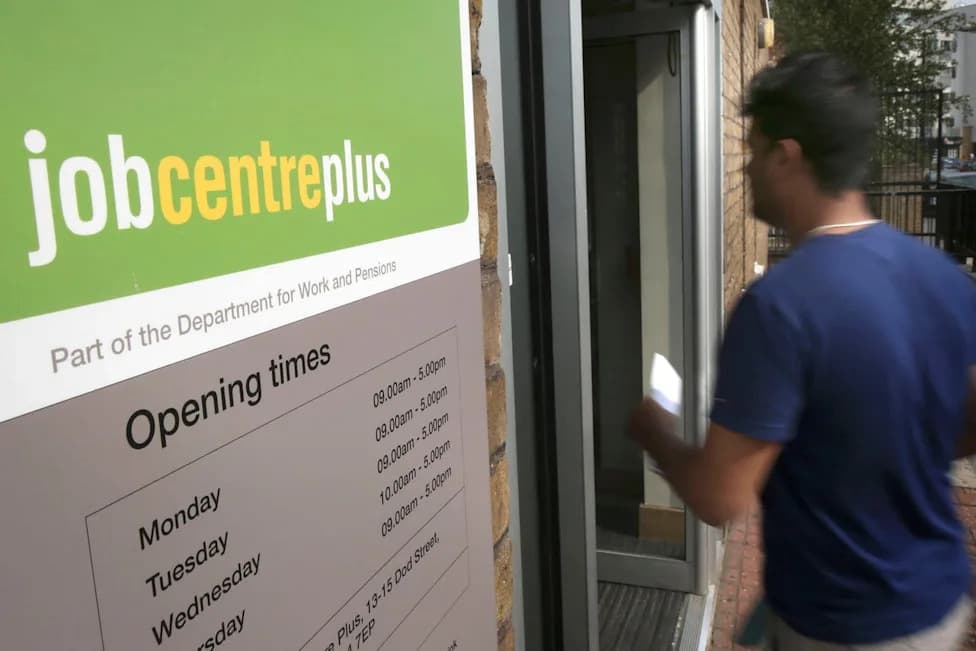
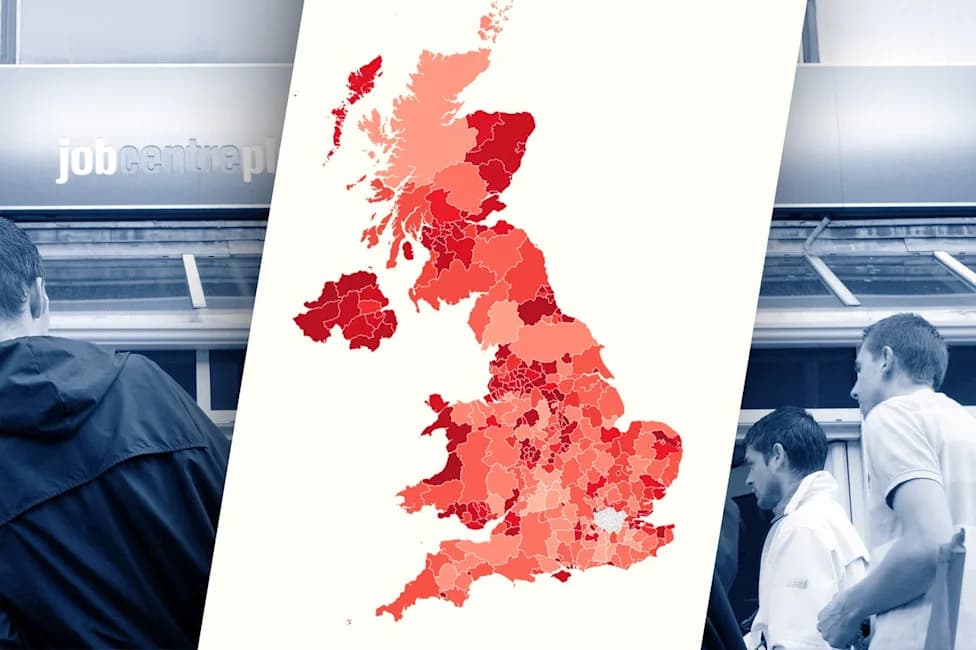
The UK faces a youth engagement crisis: nearly one in eight 16–24-year-olds are NEET, and a review warns numbers could rise without action. The Netherlands — with a 4.9% NEET rate for 18–24-year-olds versus 15.1% in the UK — follows a "No Dead Ends" approach that keeps young people in education or training until 18 and channels them into vocational and academic tracks. Strong employer partnerships, work-study apprenticeships, close attendance monitoring and funded local support services help prevent disengagement. The Dutch model isn’t perfect, but its mix of legal requirements and practical pathways offers lessons the UK could adapt.
No Dead Ends: What the UK Can Learn From the Dutch Success on Youth Engagement

[Anthony Devlin/Getty Images]
A landmark report warned that Britain faces a youth engagement crisis: nearly one in eight 16–24-year-olds are not in education, employment or training (NEET), and the situation could worsen unless urgent action is taken. The review’s author, former health secretary Alan Milburn, suggested the Netherlands offers useful lessons: the Dutch NEET rate for 18–24-year-olds is just 4.9%, compared with 15.1% in the UK.
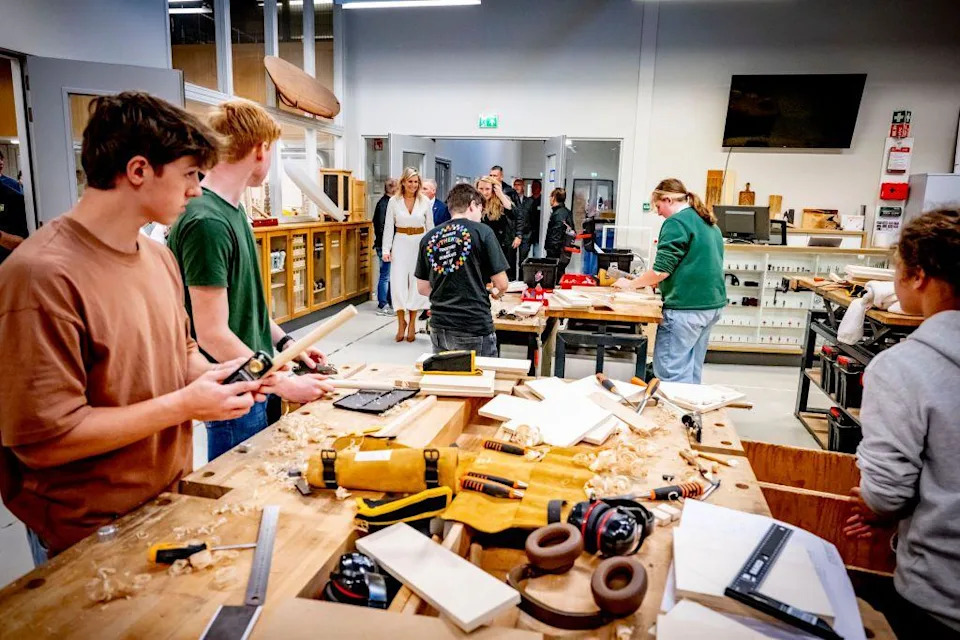
Queen Máxima of the Netherlands visits the Wood and Furniture college in Rotterdam [P van Katwijk/Getty Images]
“No Dead Ends”: The Guiding Principle
At the heart of Dutch policy is the maxim "No dead ends": every stage of a young person’s education and training is designed to lead to a next step. Dutch law requires attendance at school from ages five to 16, and young people must then remain in education or training until they either gain a qualification or reach 18. One key legal tool is the kwalificatieplicht (qualification requirement), which aims to reduce school dropouts and keep pathways open.

Initially, Amelie didn't feel she connected with any of the options available to her [BBC]
Early Streaming and Vocational Routes
From around age 12, pupils are steered into one of three secondary tracks based on teacher recommendations and primary-school assessments:

Teacher Asja van der Helm says the Dutch "look at the industry, and see where we need workers, and the education system prepares them and fills the gaps" [BBC]
- VMBO — Practical/vocational route, typically leading to vocational training.
- HAVO — General route, often leading to universities of applied sciences.
- VWO — Academic route to research universities.
This early streaming is controversial: critics say it risks cementing disadvantage and harming self-esteem. Supporters argue it enables focused, work-relevant learning and stronger links with employers.

Destiny found her path from education into work through a beauty therapy course [BBC]
Work-Study Pathways and Employer Partnerships
The Netherlands creates practical, workplace-linked routes such as the beroepsbegeleidende leerweg (vocational training pathway), where students aged 16+ commonly work most of the week and study one or two days. Employers can co-design college programmes and offer apprenticeships; payment and prospects after graduation vary by trade. Many Dutch vocational roles — electricians, carpenters, technicians — are well-paid and socially respected, making vocational futures aspirational.
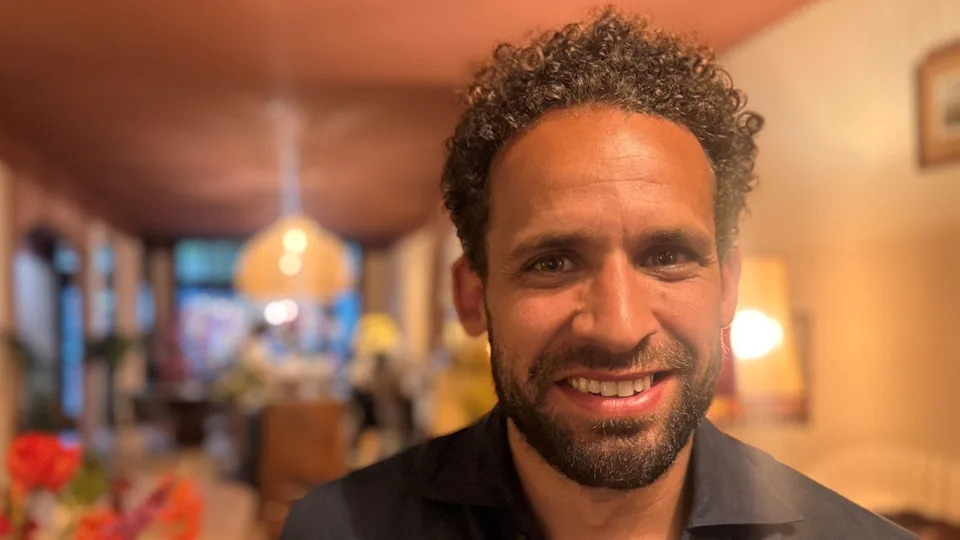
Alexander's organisation offers students personal attention and tailored guidance [BBC]
“Many skilled tradespeople ... are earning excellent incomes and are desperately needed by society,” says Asja van der Helm, a vocational teacher in The Hague.
Safety Nets, Early Intervention And Local Support
Schools receive targeted funding for health and wellbeing and can commission specialist providers. Attendance is carefully monitored: every absence is logged, repeated lateness prompts conversations, and municipal attendance officers are notified. For students disengaging from formal learning, local organisations provide alternatives. Alexander Koppelle of Mooi Jong describes a "spider's web" of interventions designed to fill every gap where a young person might fall out of the system.
When pupils step away from education because of illness or mental-health problems they may be classified as thuiszitters (literally, "people sitting at home"); schools still receive funding that can be used for external support while referrals are processed. Unexplained truancy can lead to sanctions including fines or community measures — similar powers exist in England, though the enforcement landscape differs across the UK.
Real-Life Journeys
Personal stories show the system’s strengths and limits. Amelie, advised early to follow VMBO, found practical classes later that suited her, but struggled to complete a fashion internship and briefly stepped away from study. Because leaving education outright was not an option, she remained connected to pathways that eventually led her to train as a teaching assistant. Destiny, who moved from Bonaire, used a beauty-therapy course and an internship to secure paid work in a salon — an example of the system moving young people smoothly into employment.
Limits And Recent Challenges
The Dutch model is not flawless. Youth unemployment has risen recently, prompting reforms to simplify benefit access and strengthen support through the Employee Insurance Agency (UWV), which provides welfare payments, job-matching and guidance. Critics also caution against early academic stratification and the potential for unequal outcomes.
Lessons For The UK
The Dutch combination of legal expectations, employer-linked vocational pathways, proactive local interventions and sustained funding creates multiple entry points back into learning or work — minimising true "dead ends." While structural and cultural differences mean the UK cannot simply copy the model, targeted reforms to expand high-quality apprenticeships, tighten transitions between education and work, and strengthen early intervention could reduce NEET rates and help more young people find secure, rewarding routes into adulthood.
Bottom line: The Netherlands shows that a system focused on practical pathways, early support and employer engagement can keep more young people connected to education and employment — but it requires active investment and continuous reform to sustain those gains.
Help us improve.