The National Science Foundation will "descope" the Ocean Observatories Initiative, removing more than 900 sensors from sites off Oregon, Washington, Alaska, North Carolina and Greenland by 2027. The OOI — which has supported 500+ scientific papers — was designed for 25–30 years but has collected roughly a decade of data to date. Scientists warn the cuts will reduce critical subsurface observations just as a strong El Niño approaches, though a seafloor cable in the Pacific Northwest will remain operational.
NSF to Dismantle Ocean Observatories Initiative — Scientists Warn of Lost Data Ahead of El Niño
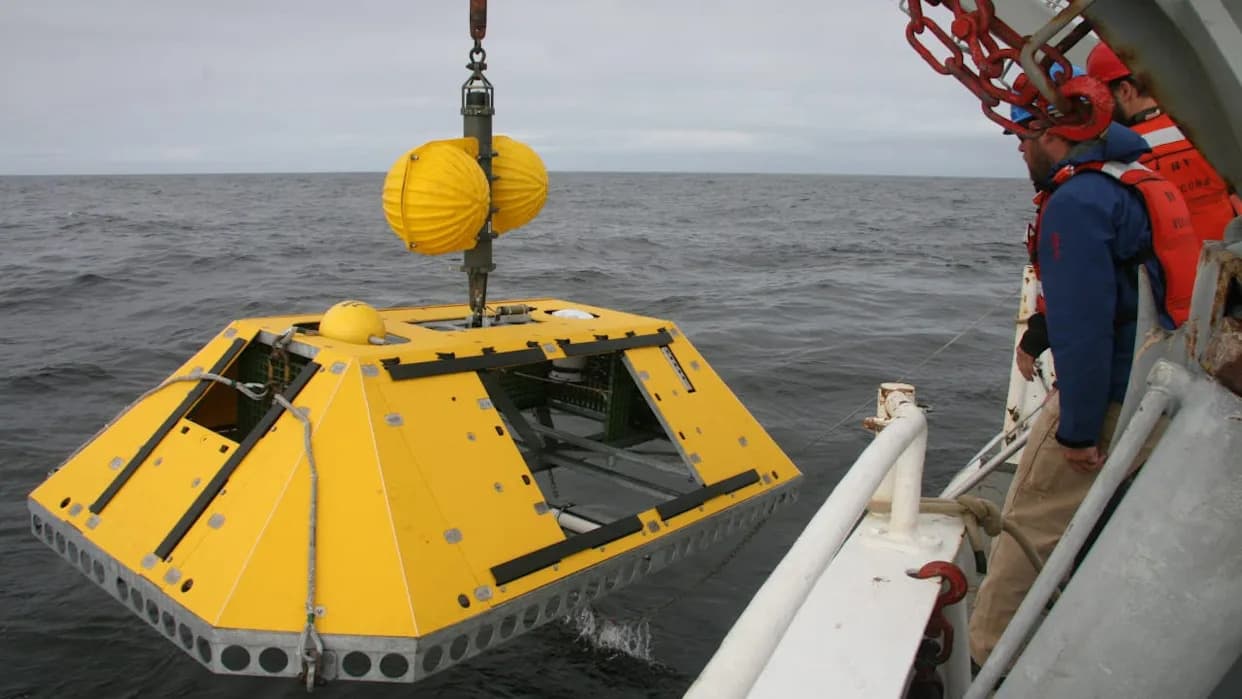
Ocean Observatories Initiative technicians ensure equipment is correctly deployed (Credit: Craig Risien, Oregon State University)
The National Science Foundation (NSF) has announced plans to "descope" the Ocean Observatories Initiative (OOI), removing instruments from multiple ocean sites by 2027. The decision ends operations that were expected to continue for another 15–20 years and has prompted concern from researchers who rely on long-term, subsurface ocean observations.
What Happened
In May, the NSF said it will remove OOI instruments from locations off the coasts of Oregon, Washington, Alaska and North Carolina, as well as from Greenland, completing the work by 2027. The agency described the move as part of a broader strategy to reprioritize resources and manage the lifecycle of research infrastructure.
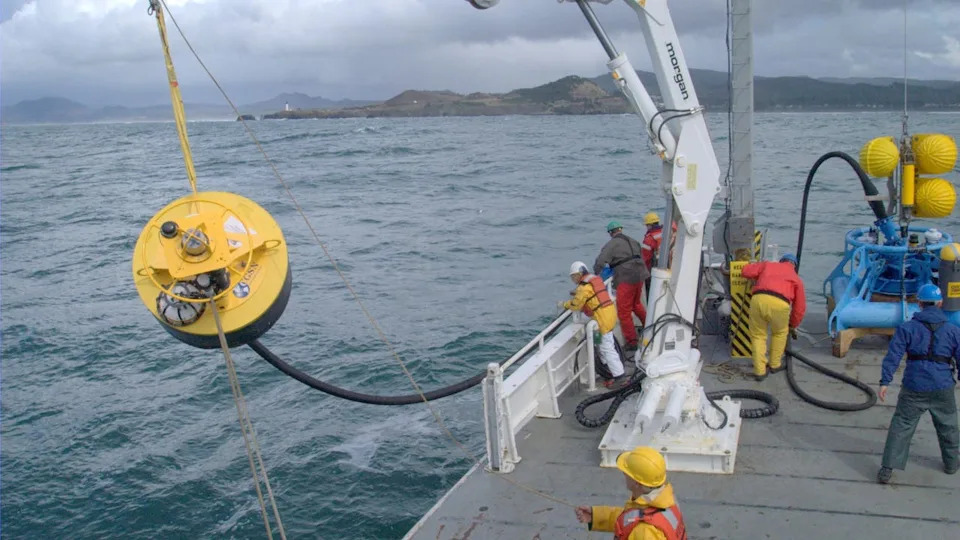
Ocean Observatories Initiative crew deploys buoys. Credit: Craig Risien, Oregon State University
What Is Unclear
NSF spokespeople have not publicly identified which office or decision process led to the descoping. Scientists had been alarmed by the Trump administration’s proposed 2026 budget, which included a 55% cut to NSF funding — a signal, they say, that large research programs could be at risk.
Why This Matters
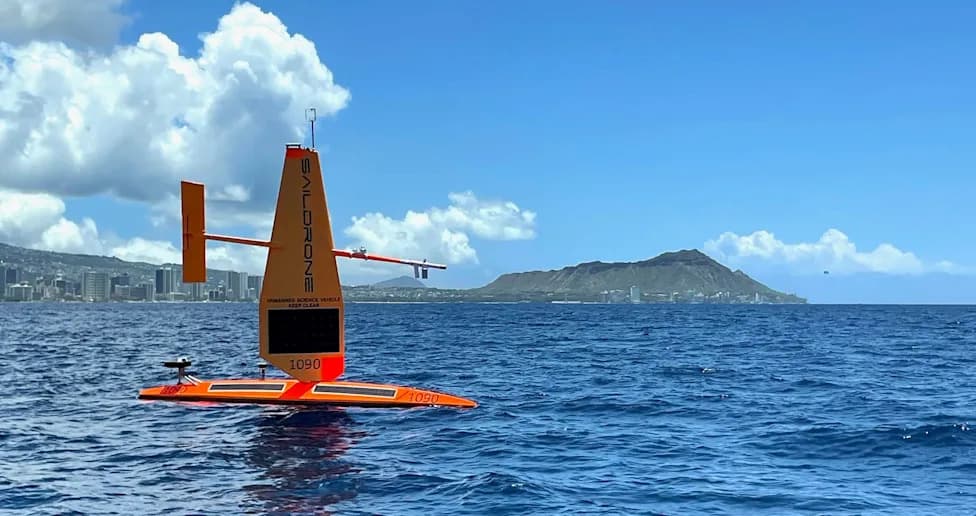
The OOI is a network of more than 900 sensors — moorings, underwater gliders, buoys and other instruments — that monitor ocean circulation, chemistry, biological productivity and other key variables. Its freely available data have supported over 500 scientific publications. Researchers emphasize that many critical ocean signals occur below the surface and cannot be detected by satellites, including low-oxygen zones and subsurface temperature and nutrient changes.
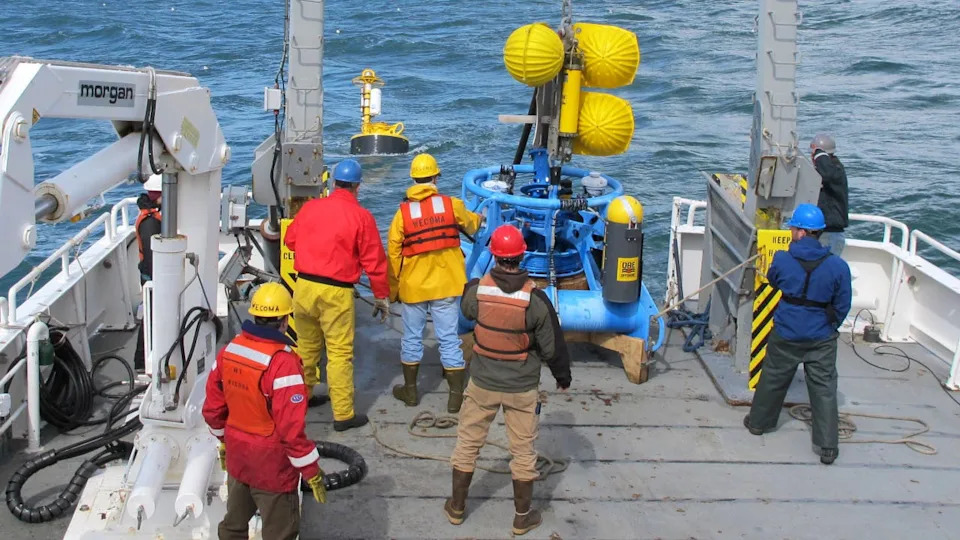
Ocean Observatories Initiative crew prepares to deploy equipment that allows for sensor placement. Credit: Craig Risien, Oregon State University
"It’s a crippling loss of information," said Ed Dever, a professor at Oregon State University who helped run OOI operations in the Pacific Northwest. He warned that the timing is especially harmful as scientists prepare for a strong El Niño event that could bring major changes to Pacific coastal conditions.
What Will Remain
Some assets will stay online. Notably, a University of Washington–managed seafloor cable network in the Pacific Northwest will continue to provide seismic and volcanic data. However, the removal of moorings and glider arrays will reduce researchers’ ability to monitor subsurface processes over time and space.
Background And Scale
OOI began operations in 2015 after more than a decade of planning and construction. It was designed as a 25–30 year project because detecting meaningful climate trends often requires decades of continuous data; OOI has amassed roughly a 10-year record so far. The initiative’s annual operating budget was about $48 million (exclusive of research vessel costs), and roughly 60–70 staff worked directly on the project across partner institutions.
Broader Context
Researchers say this move is part of a broader pattern of reductions to federal research infrastructure and funding. NSF officials characterize the decision as a strategic reallocation to prioritize emerging scientific needs and technologies, while critics argue it undermines long-term observations essential for understanding climate change and ocean health.
Sources
This report draws on statements from the National Science Foundation, reporting by The New York Times and The Associated Press, and information from the Ocean Observatories Initiative website.
Help us improve.