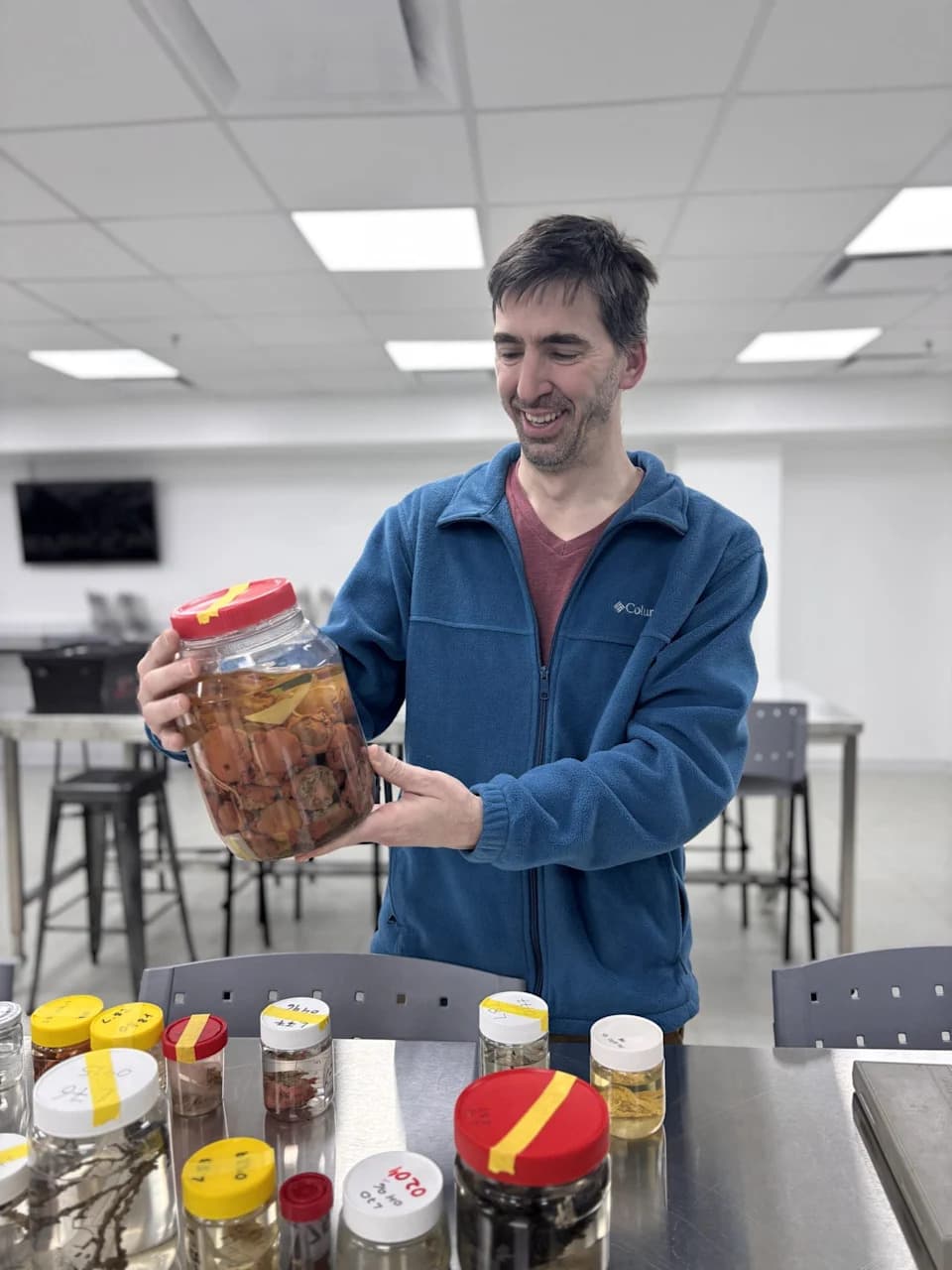
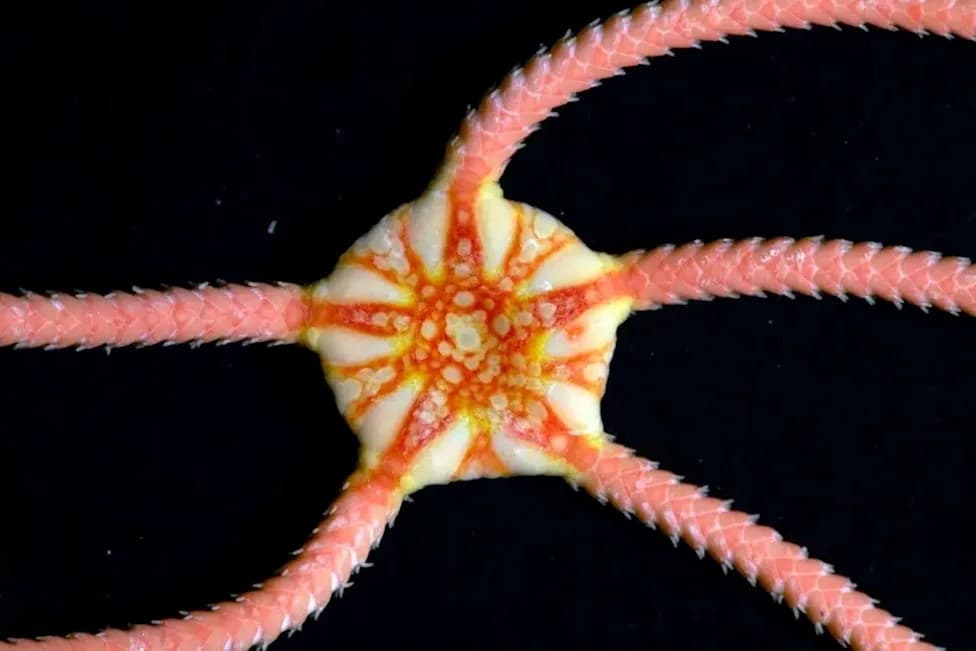
The Nippon Foundation–Nekton Ocean Census and partners documented 1,121 previously unknown marine species across 13 expeditions in one year. Notable finds include a ghost chimaera in the Coral Sea, symbiotic worms on Japanese seamounts and a ribbon worm with potent chemical defenses. By rapidly publishing records to the open NOVA platform, Ocean Census aims to shorten the decades-long lag between collection and description and supply timely data for conservation and policy. The program now connects over 1,400 scientists worldwide and seeks further funding to pursue a goal of cataloging 100,000 new species.
Scientists Document 1,121 Previously Unknown Ocean Species in One Year as Ocean Census Accelerates Discovery
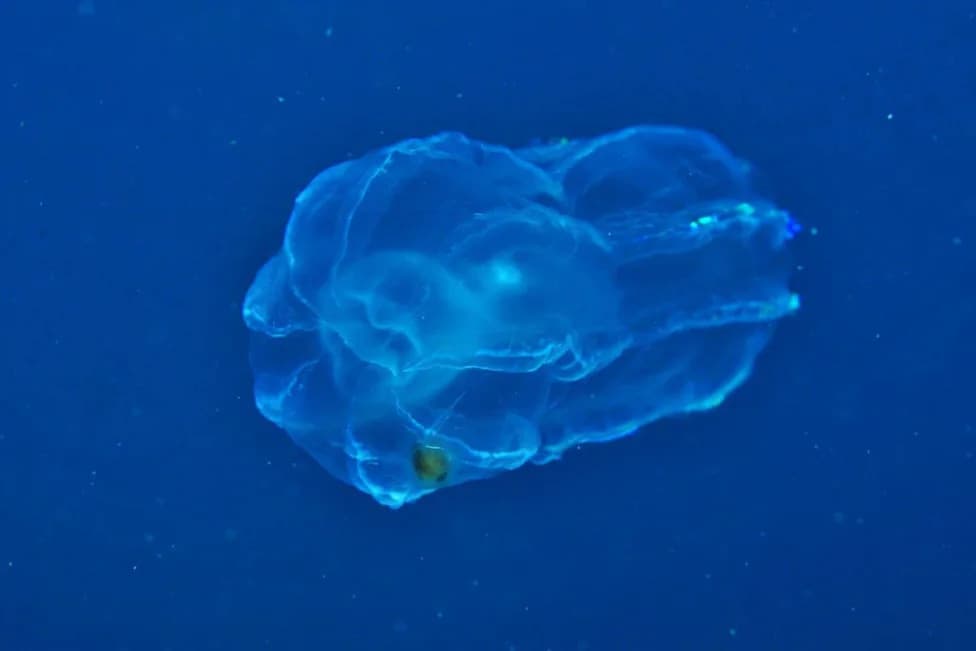
Unknown Marine Species© iStock.com/spiderment
In a single year, the Nippon Foundation–Nekton Ocean Census and its partners documented 1,121 previously unknown marine species, following 13 expeditions to some of the planet’s most remote and least studied ocean regions. The effort—now in its third year and conducted with institutions such as JAMSTEC, CSIRO and the Schmidt Ocean Institute—aims to catalog ocean life rapidly so conservation and policy actions can follow before species are lost.
©Yetugraphic/Shutterstock.com
Notable Discoveries
Among the newly recorded species are:
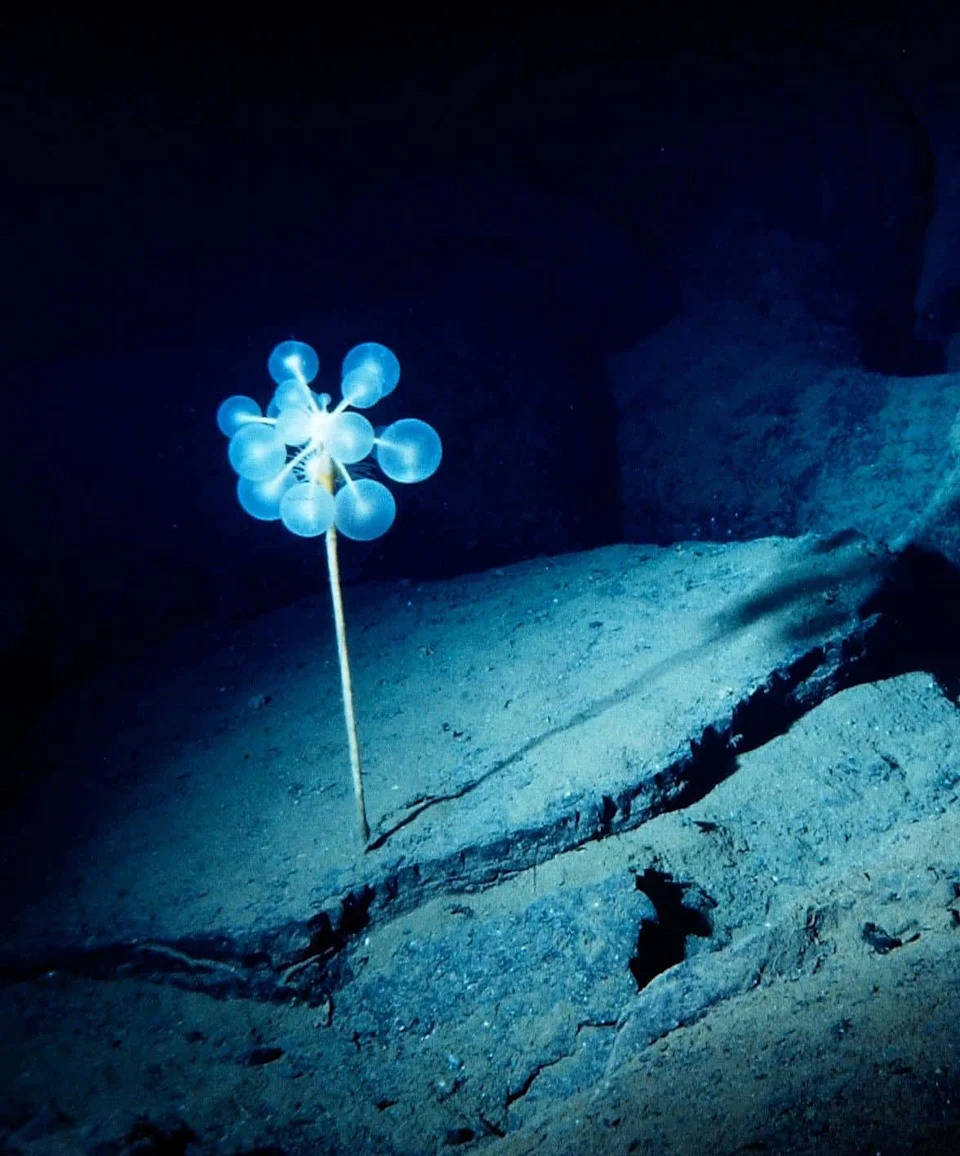
©"Campagne GEOCYARISE – Eponge carnivore Chondrocladia lampadiglobus (Ifremer 00703-81529)" by null is licensed under BY 4.0. –Original/License
- Ghost chimaera (a deepwater relative of sharks and rays) discovered in Australia’s Coral Sea; its lineage diverged from sharks and rays nearly 400 million years ago.
- Symbiotic worms living inside the glass-like skeletons of deep-sea sponges near volcanic seamounts off Japan.
- A brightly colored ribbon worm under 3 cm long whose pigments and chemical defenses could have biomedical potential for conditions such as Alzheimer’s and schizophrenia.
- A pale, anatomically unusual shrimp found in a Marseille sea cave, suggesting previously unknown ecological strategies along the Mediterranean coast.
- Taxonomic advances including the new genus Meteoronia (two deepwater shrimp species associated with bivalve hosts) and a study describing 50 new terebrid (venomous sea snail) species from material dating back to 1986.
Why Speed Matters
Scientists estimate up to 90% of ocean species remain undescribed, and many could disappear before being recorded. Historically, the average interval from specimen collection to formal description was about 13.5 years, a delay that can hinder timely conservation. To shorten that gap, Ocean Census now considers a specimen 'discovered' once it is uploaded to NOVA, their open-access digital platform—making data available within days or weeks rather than years.
©Dennis Jarvis from Halifax, Canada / CC BY-SA 2.0 –Original/License
"For too long, thousands of species have remained in a scientific 'limbo' because the pace of discovery couldn't keep up. We are now breaking that bottleneck," said Dr. Michelle Taylor, Head of Science at Ocean Census.
Tools, Collaboration and Impact
The initiative leverages genetic barcoding, high-resolution imaging and rapid data sharing to accelerate identification and integrate findings into policy. Ocean Census connects more than 1,400 scientists from 660 institutions across 85 countries, and its NOVA platform is designed to feed discoveries into national and international frameworks, including negotiations under the High Seas Biodiversity Beyond National Jurisdiction (BBNJ) Treaty and the Kunming–Montreal Global Biodiversity Framework.
Funding and Ambition
Founders note that, while billions finance missions to the moon and Mars, comparatively modest investment in ocean exploration could deliver outsized returns for life on Earth. Nekton, an Ocean Census co-founder, is seeking an additional $100 million to unlock $75 million already pledged by partners, advancing toward a bold goal: cataloging 100,000 new marine species.
Conclusion
Beyond expanding species lists, these discoveries reshape how scientists understand marine biodiversity and ecosystem function. The Ocean Census model—rapid, open sharing of high-quality data—offers policymakers and conservationists the timely information they need to protect fragile marine life before it is too late.
Help us improve.