The slow, opaque ballot count in Los Angeles has reignited 2020-style fears despite no evidence of fraud. Delays and poor communication undermine public confidence and feed partisan mistrust. The piece argues the problem reflects a broader erosion of social trust, complicating local governance and enabling more extreme political currents if left unaddressed.
LA Ballot-Count Chaos: How Slow Results Erode Trust—and What’s At Stake
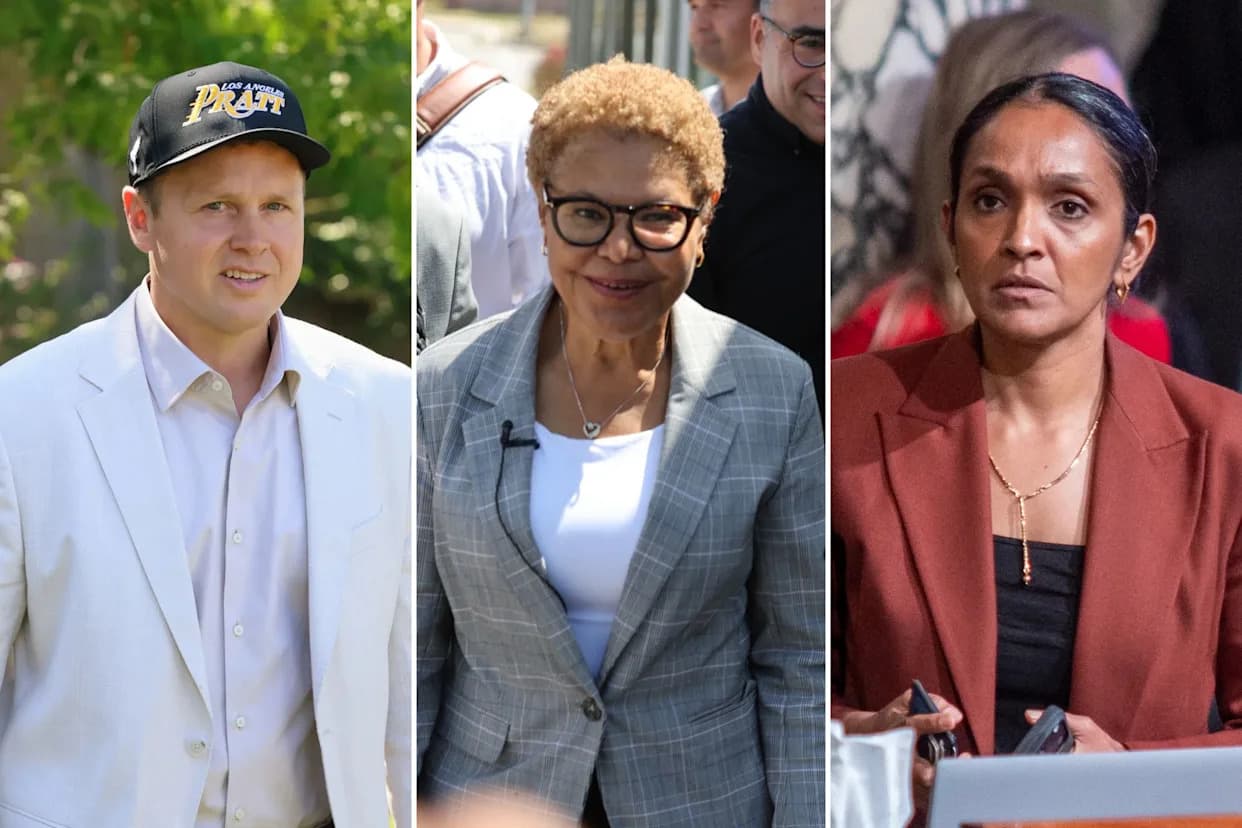
An image collage containing 3 images, Image 1 shows Spencer Pratt seen in Los Angeles, California, Image 2 shows Karen Bass smiling and wearing a plaid blazer while visiting Pann's Restaurant, Image 3 shows Nithya Raman at a City Council meeting
Half the nation is watching Los Angeles as ballots are tallied with an uncomfortable sense of déjà vu: candidates who led on election night have slipped behind as mail-in and provisional ballots were processed. That pattern—seen after the 2020 election—reawakened fears of fraud, even though there is no evidence that wrongdoing occurred in 2020 or in Los Angeles now.
Still, opacity and delay matter. A slow, poorly explained counting process fuels public mistrust, and reassurances from incumbents that “everything is fine” often deepen suspicion rather than calm it.

If Raman does qualify for the general election ahead of Spencer Pratt, it would have been better to know that on election night — not several days after the fact. BACKGRID
Local dynamics and shifting races. As I wrote before Election Day, it was plausible that progressive Nithya Raman could overtake Pacific Palisades fire survivor Spencer Pratt for second place. My auto-racing analogy — that Raman might be “drafting” behind Pratt, letting him do the early, visible front-line campaigning while she picked up voters reluctant to back the incumbent Karen Bass or a Trump-style Republican — proved a useful way to think about voter behavior in this contest.
If Raman does indeed advance to the general election ahead of Pratt, many voters and observers would have preferred to know that outcome on election night rather than days later. Perceptions matter: if fraud had occurred, this kind of reversal would look exactly like it. Again, there is no proof of fraud now, but the absence of transparency leaves room for doubt. Defenders of California’s slower counting methods have not clearly explained why other Democratic-led states typically report results faster.
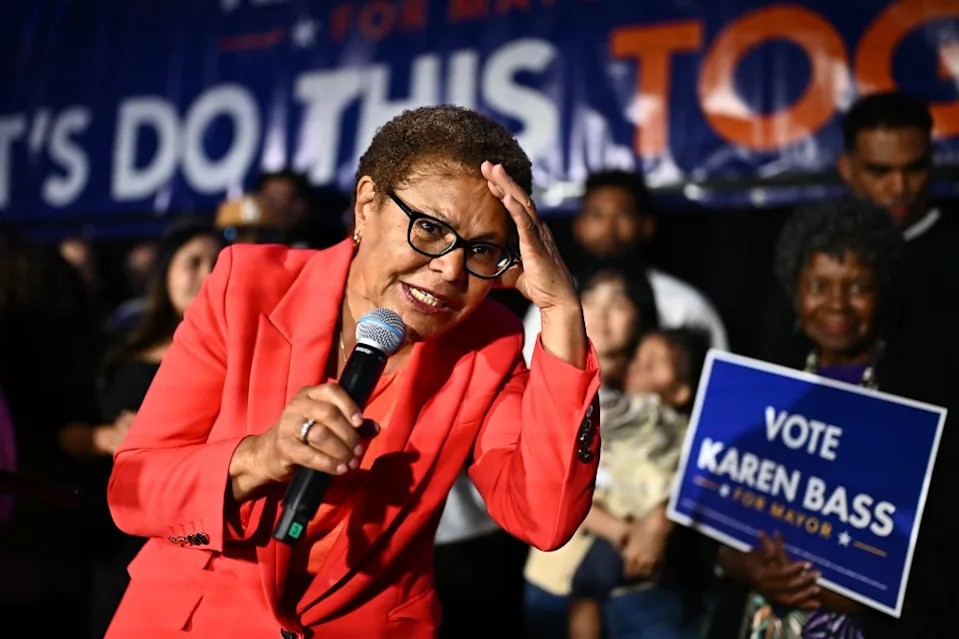
In 2022, Pacific Palisades voted for Rick Caruso over incumbent Mayor Karen Bass. AP Photo/William Liang
Trust and the social compact. The California count is a symptom of a larger problem: an erosion of social trust. Democracy depends not only on majority rule but on a tacit agreement that different groups will take turns governing. When communities or political minorities feel systemically excluded or neglected, that compact frays and democratic legitimacy weakens.
Service failures and political consequences. Take the Pacific Palisades example. In 2022, voters there backed Rick Caruso over Karen Bass. Caruso’s mall survived last year’s fire, in part because he deployed private firefighters to protect his property while much of Bass’s municipal responsibility area burned. Whether or not voters view these incidents as fair, such outcomes shape perceptions of governance and accountability. Pratt’s defeat—liked or disliked—signals a political response from voters who felt their services and safety were inadequate.
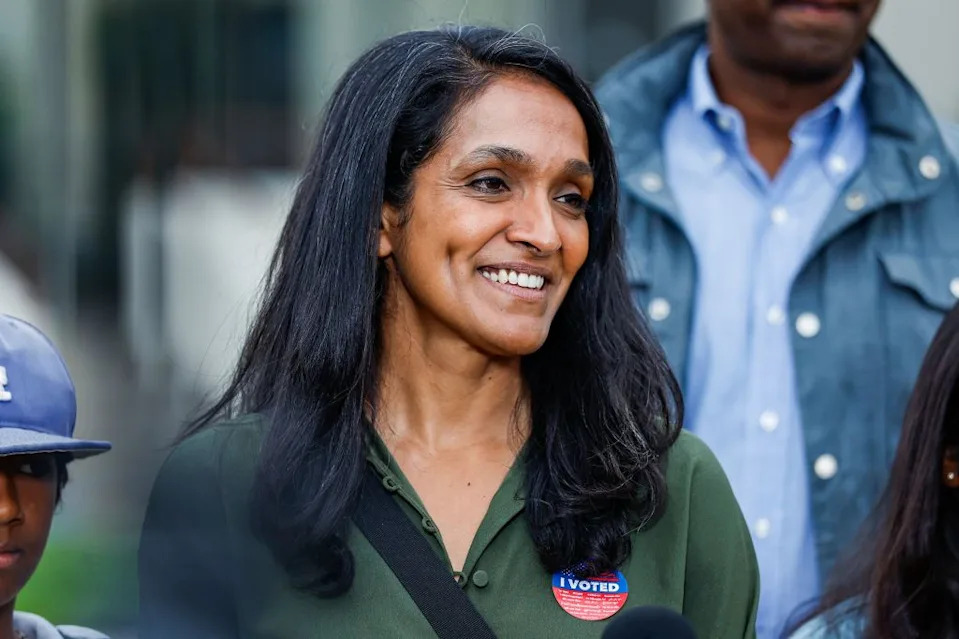
It’s not clear what Raman offers the community. CHRIS TORRES/EPA/Shutterstock
National context: shifting party dynamics and controversial nominees. Across the country, critics argue that some Democratic-run cities have trended left after perceived managerial failures. Chicago replaced Lori Lightfoot with Brandon Johnson in 2023; critics blame missteps on the new administration. New York’s election of Zohran Mamdani drew praise from some and criticism from others for his priorities amid rising antisemitic incidents and homelessness challenges. Supporters point to falling crime rates and budget balances; critics warn that some fiscal fixes rely on accounting measures rather than long-term solutions.
Within party coalitions, uncomfortable facts about candidates sometimes get downplayed. Examples cited in political commentary include allegations about congressional hopefuls—claims that in some media reports remain unproven or disputed. In Maine, reports about Graham Platner’s tattoos and alleged abusive behavior have spurred debate; supporters and opponents trade competing narratives about culpability, context and electability.
Why this matters. Many voters and party strategists prioritize winning after years out of power, but electability alone does not resolve questions of governance, ethics or public trust. The broader risk is that if citizens lack confidence in the mechanics and transparency of elections, political polarization will deepen and space will open for more extreme actors to gain influence.
Conclusion. The Los Angeles vote-counting saga is not just a local story about delayed tallies. It is a warning about how procedural opacity can corrode trust, amplify partisan narratives, and create openings for political instability. Better communication, faster processing where possible, and clearer explanations of counting procedures would help restore confidence. Without that, democracy’s ability to manage disagreements peacefully will be weaker.
Joel Pollak is Opinion Editor of the California Post.
Help us improve.