Attorney General Keith Ellison denounced a short, roughly 10-second moment of silence for Derek Chauvin at the Minnesota GOP state convention as “an act of profound cruelty,” saying it dishonors George Floyd and wounds his family. The tribute came days after the sixth anniversary of Floyd’s death and prompted renewed debate about remembrance and accountability. Chauvin remains imprisoned on state and federal sentences and continues to pursue post-conviction relief, which courts have repeatedly denied.
Keith Ellison Condemns Derek Chauvin Tribute As "Profound Cruelty" After Minnesota GOP Moment Of Silence
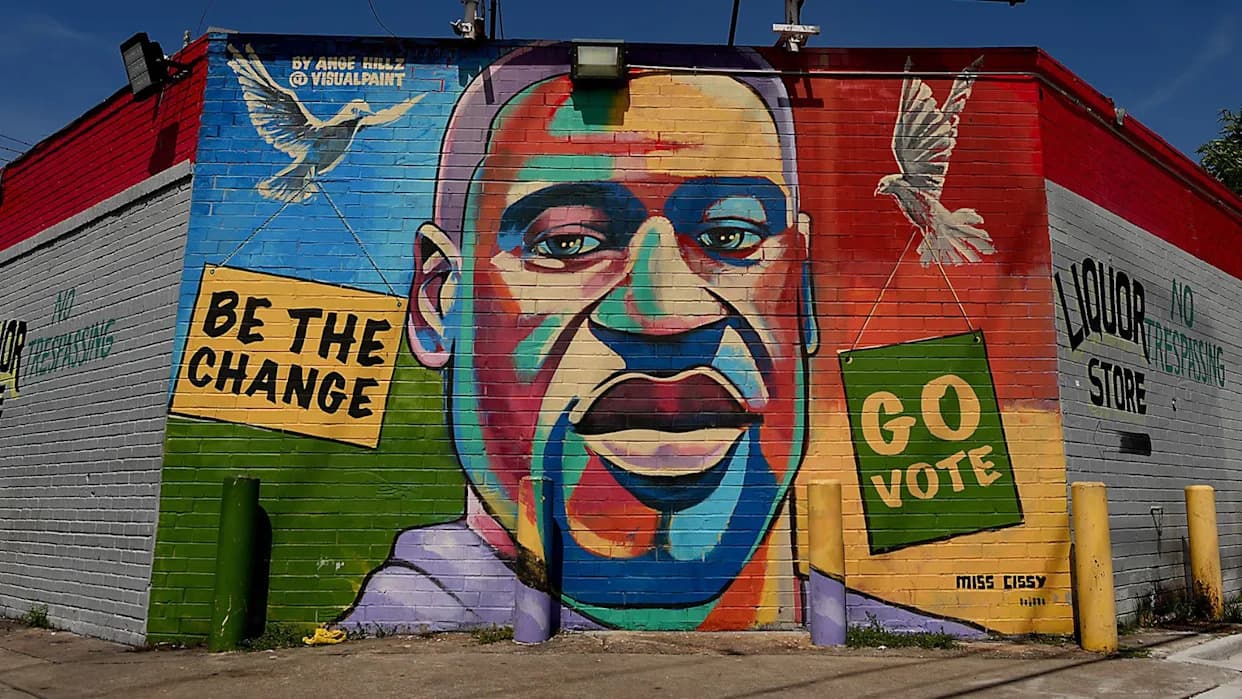
Elizabeth Conley/Houston Chronicle via Getty Images
A brief moment of silence observed for convicted former Minneapolis police officer Derek Chauvin at the Minnesota Republican Party’s state convention in Duluth drew sharp criticism from Minnesota Attorney General Keith Ellison, who led the prosecution that secured Chauvin’s murder conviction in the death of George Floyd.
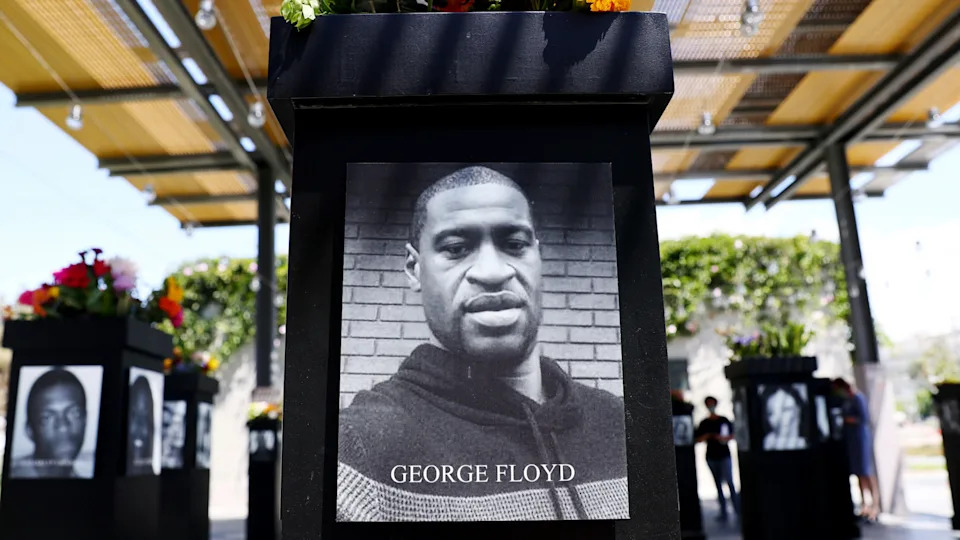
Derek Chauvin Seeks New Trial in George Floyd Murder Case
What Happened
Delegates at the convention reportedly paused for roughly 10 seconds after a request from the floor, according to The Guardian. The gesture took place days after the sixth anniversary of Floyd’s death, a date that remains deeply significant to Minneapolis and to communities across the country.
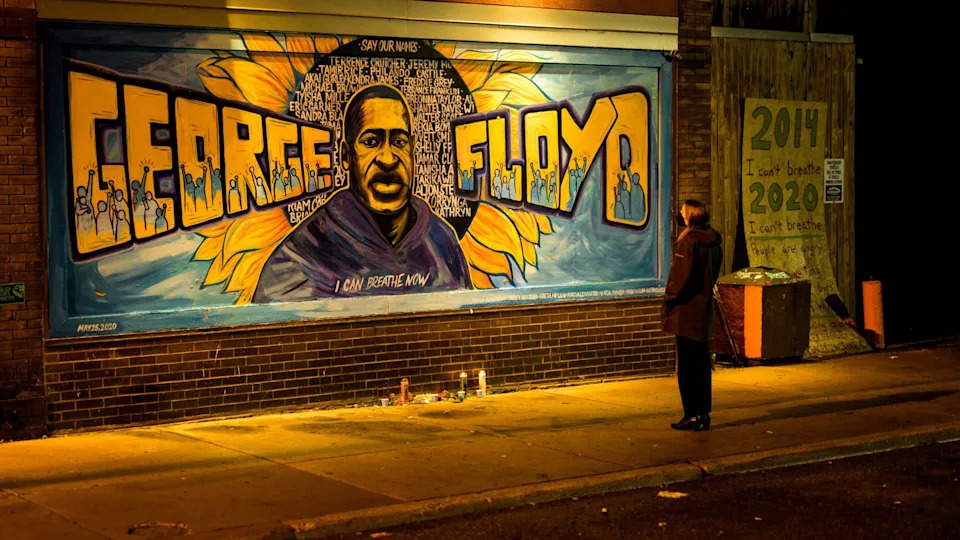
Six Years After George Floyd’s Killing, Family Says 'Not Enough Has Changed'
Official Response
“This decision dishonors the memory of George Floyd and wounds his loved ones all over again,”
Ellison issued a strongly worded statement saying the tribute ignored the lasting harm Floyd’s death inflicted on his family and community. He called the moment of silence “an act of profound cruelty” and added that recognizing Chauvin in that way was disrespectful to law enforcement officers who serve honorably.
DL Hughley Rips Tony Hinchcliffe Over George Floyd Jokes at Kevin Hart Roast
Family Reactions And Ongoing Debate
Floyd’s relatives have used the anniversary to reflect on the progress — or lack thereof — since his death. His uncle Selwyn Jones told local media there has been “not enough change,” and his aunt Angela Harrelson urged that George Floyd Square be preserved as a place of remembrance rather than opened to commercialization.
Legal Status And Context
Chauvin remains incarcerated, serving a 22.5-year state sentence following his 2021 conviction for second-degree murder and a concurrent federal sentence for violating Floyd’s civil rights. Floyd died on May 25, 2020, after Chauvin pressed his knee on Floyd’s neck and back for 9 minutes and 29 seconds while Floyd was handcuffed and lying face-down on a Minneapolis street; bystander video of the encounter sparked global protests and renewed debate over policing and racial justice.
Chauvin has continued to pursue legal challenges, most recently filing for post-conviction relief that alleges problems with trial testimony and other claims. Courts have repeatedly denied his appeals, including reviews by Minnesota’s highest courts and the U.S. Supreme Court. Ellison defended the prosecution’s result, noting that “the jury heard all the evidence. The appeals courts reviewed every claim. Justice was rendered according to our system of law.”
Why It Matters
The brief tribute has reignited conversations about how public institutions and political groups acknowledge highly charged events and individuals. For many, the gesture reopened wounds tied to Floyd’s death and the broader movement for police accountability; for others, it highlighted deep partisan divides over memory, justice and law enforcement.
Help us improve.