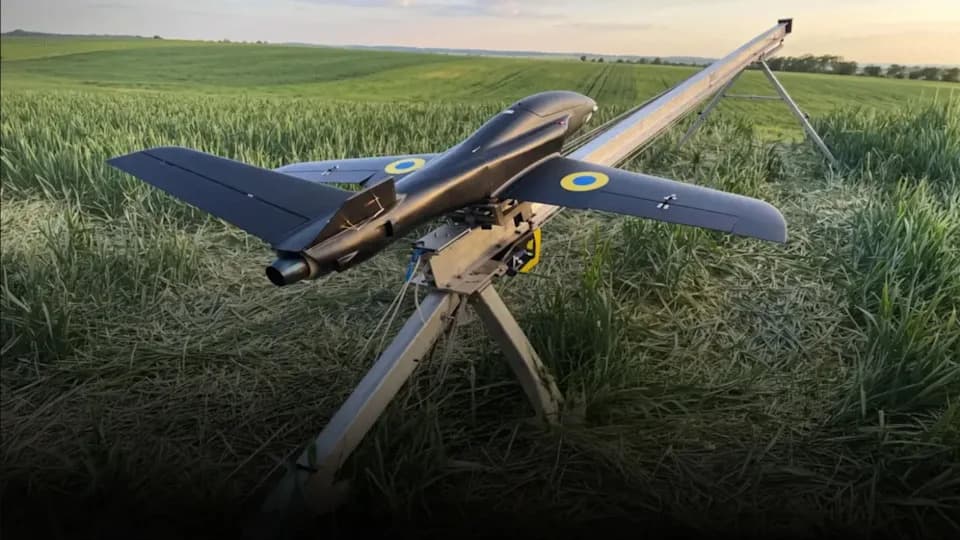
Kuwait has requested a $1.98 billion U.S. package of counter‑drone systems, including Anduril’s Roadrunner‑M interceptor and Anvil kinetic quadcopter, to bolster its air defence against recurring Iranian drone and missile strikes. The systems are designed to be reusable or low‑cost, enabling mass defensive launches against swarms of inexpensive drones. The move complements Kuwait’s existing Patriots, Skyguard/Aspide batteries and fighter jets, which are effective but costly for routine C‑UAS missions.
Kuwait Orders $1.98B Low-Cost Counter-Drone Package to Reinforce Air Defenses
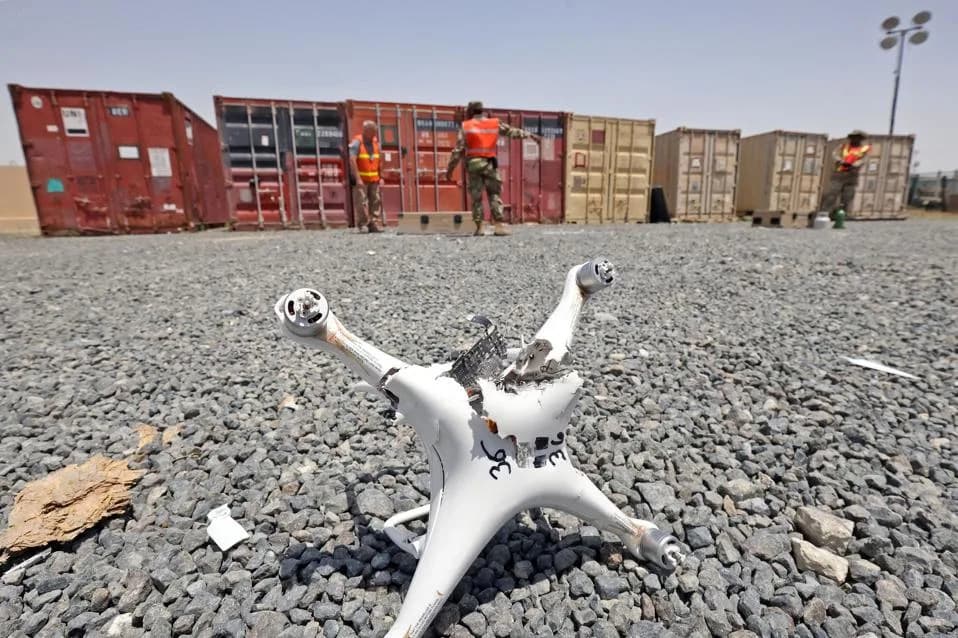
A damaged drone is pictured during a military drill at the US Camp Arifjan in Kuwait City, on May 4, 2023. (Photo by Yasser Al-Zayyat / AFP) (Photo by YASSER AL-ZAYYAT/AFP via Getty Images)AFP via Getty Images
The State of Kuwait has formally requested a $1.98 billion package of counter-unmanned aerial systems (C-UAS) from the United States as it seeks cheaper, scalable defenses against recurring Iranian missile and drone strikes. The request — disclosed in a U.S. State Department press release — specifies Anduril Industries’ Roadrunner‑M interceptor and Anvil kinetic quadcopter, plus supporting platforms and personnel training.
What Kuwait Requested
The announced package names the Roadrunner‑Munition (Roadrunner‑M) and Anvil‑Kinetic systems, both developed by U.S. defense technology firm Anduril Industries. According to Anduril, the Roadrunner family includes jet‑powered, VTOL autonomous vehicles; the Roadrunner‑M is an interceptor variant intended for ground‑based air defence that the company says can be recovered and reused at "near‑zero costs." Anduril describes Anvil as an autonomous quadcopter that identifies hostile drones and, if authorized, intercepts them by ramming at speeds of up to 200 mph to neutralize threats with minimal collateral damage.
Why Low-Cost Interceptors Matter
Kuwait’s move reflects a growing realization across the Gulf that sophisticated missile systems are effective but often uneconomical for routine counter‑drone work. Patriot PAC‑3 interceptors, for example, cost roughly $4 million apiece — an impractical expense to use against drones that can cost as little as tens of thousands of dollars. Reusable or inexpensive interceptors allow forces to launch in greater numbers, increase redundancy, and engage simultaneous threats more affordably.
Existing Defences and Cost Comparisons
Kuwait already fields advanced assets such as the MIM‑104 Patriot PAC‑3, which has successfully intercepted incoming ballistic missiles. It also operates Skyguard / Spada 2000 systems firing Aspide 2000 missiles, which cost an estimated ~$100,000 per round — significantly cheaper than Patriot interceptors but still more costly than the smallest attack drones. Kuwait’s air force also flies F/A‑18 Hornets and Eurofighter Typhoons that can intercept aerial threats, though using manned fighters for routine C‑UAS missions is costly.
Recent Attacks Highlight the Threat
Despite a ceasefire that took effect on April 8, Iranian forces and allied militias have continued strikes across the Gulf. Incidents affecting Kuwait in recent months include militia‑launched drones from Iraq that struck border posts in late April; late‑May ballistic missiles targeting Ali Al Salem Air Base (satellite imagery later showed damage there and two MQ‑9 Reapers were badly damaged); a deadly drone attack on Kuwait International Airport that left one dead and 63 injured; and an earlier strike on an operations site at Shuaiba port that killed six U.S. service members.
Operational Implications
It is not yet publicly disclosed how many Roadrunner‑M or Anvil units Kuwait has ordered, but the $1.98 billion price tag suggests a sizeable procurement that could meaningfully expand point‑defence capacity. If the systems perform as advertised — reusable interceptors and low‑cost kinetic solutions — they could complement existing high‑end systems by handling swarms and routine threats more cheaply, reserving Patriots and fighters for higher‑value targets.
Outlook
Layered air defence — combining high‑end missile systems with large numbers of inexpensive, reusable C‑UAS interceptors — is emerging as a practical model for Gulf states facing asymmetric aerial threats. Kuwait’s request follows similar interest across the region in cost‑effective counter‑drone tools, and highlights the shifting economics of air defence in the era of cheap attack drones. This article was originally published on Forbes.com.
Help us improve.