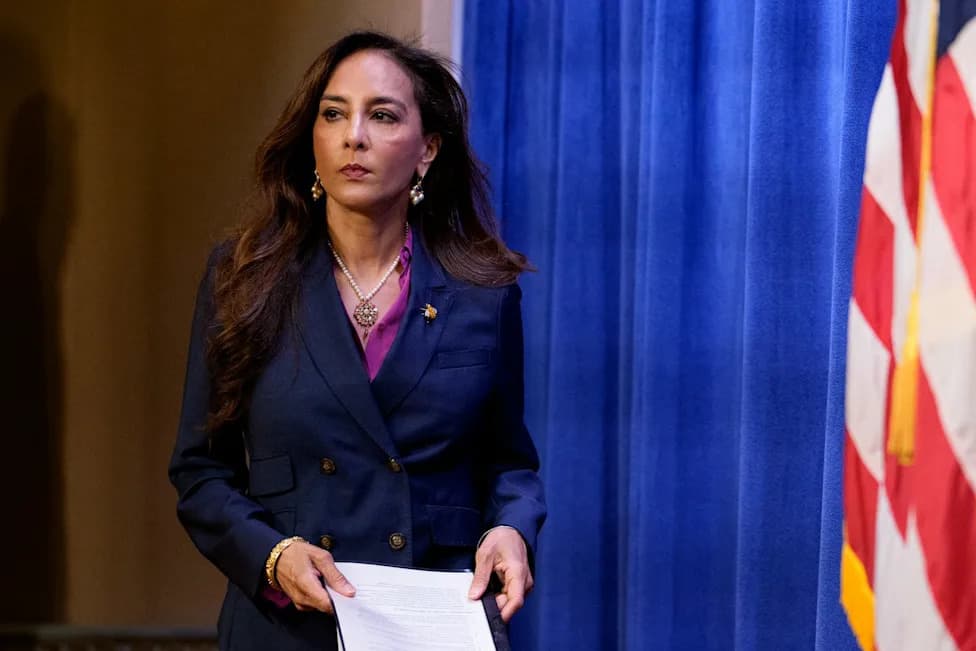
Eight years after the Kavanaugh confirmation battle, several Democratic leaders and commentators who urged believing accusers have reacted more skeptically to allegations against Maine candidate Graham Platner. Figures who once insisted on believing Christine Blasey Ford have publicly downplayed or dismissed reporting in The New York Times about Platner. Critics say the contrast suggests partisan inconsistency — that political calculations are overriding previously stated commitments to take allegations seriously.
Eight Years After Kavanaugh, Democrats Face Charges Of Partisan Inconsistency On Claims Of Abuse
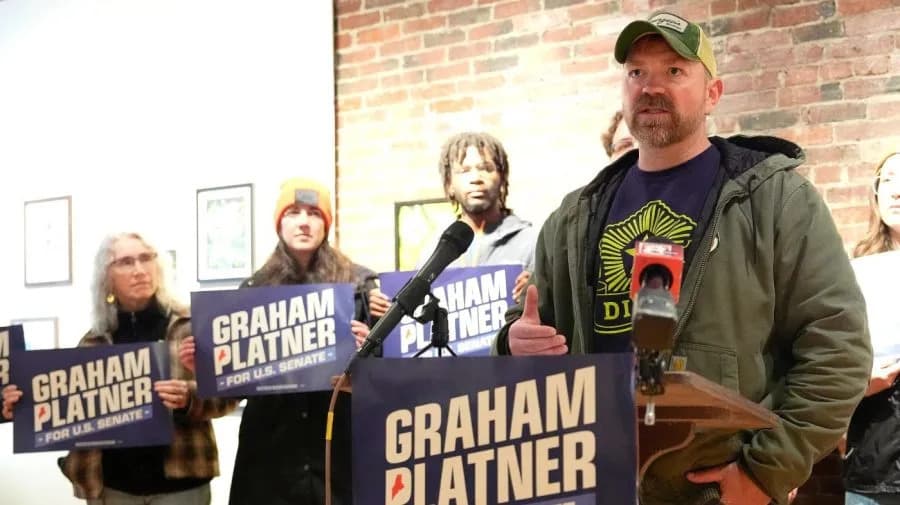
Eight years after the contentious Supreme Court confirmation fight over Brett Kavanaugh, many Democrats who once insisted on believing accusers are being accused of a partisan double standard in the wake of allegations against Maine Senate candidate Graham Platner.
In 2018, Sen. Elizabeth Warren captured the anger felt by many on the left when she declared, “It’s clear the fix is in,” as she opposed Kavanaugh’s confirmation. Democrats and progressive commentators rallied behind Christine Blasey Ford’s account and argued broadly that survivors who come forward deserve to be believed and investigated — a posture framed as a moral and political imperative.
That posture included intense scrutiny of Kavanaugh’s background, public questioning of gaps or denials, and sharp rebukes of senators and commentators who suggested caution in the absence of corroboration. As Ms. Magazine contributor Kathleen Turner wrote at the time, “Survivors who come forward break the rules of silence a sexist society demands, and society expects them to pay a price.”
Today, some of the same Democratic leaders and progressive voices have reacted differently to reporting about Platner. The New York Times published accounts from multiple women alleging physical and mental abuse and other troubling behavior. Several prominent Democrats have publicly downplayed or dismissed those accounts.
Sen. Sheldon Whitehouse (D–R.I.) — who in 2018 urged that credible allegations be investigated and said, “We must believe survivors” — has been quoted minimizing the Platner reporting and criticizing one accuser's ties to conservative organizations. Commentators such as Krystal Ball, who previously criticized those who would not believe Christine Blasey Ford, have likewise described the Times coverage as uncorroborated and questioned the credibility of some sources.
One woman who spoke to the Times, Lyndsey Fifield, has publicly contested how the paper presented her account, saying reporters omitted corroboration she supplied and failed to note that she previously told friends about Platner’s behavior.
Other Democrats who were outspoken in 2018 have sounded more measured or quiet now. Rep. Ro Khanna (D–Calif.), who said in 2018, “I believe Dr. Christine Blasey Ford,” campaigned for Platner this week. Senate Minority Leader Chuck Schumer and Sen. Kirsten Gillibrand have emphasized electoral priorities and optimism about winning a key Senate seat in Maine rather than addressing the allegations at length.
Platner also faces additional allegations and past comments — including reportedly offensive posts on a deleted Reddit account and other disturbing remarks — that critics say would disqualify many candidates. Still, Democratic leaders appear to be weighing those allegations against the party’s immediate political goals.
The contrast between 2018 rhetoric and the current responses has prompted charges of partisan inconsistency: critics say that a principle — believing and supporting survivors — is being subordinated to strategic calculations in a tight Senate race.
The episode recalls a moral dilemma dramatized in Robert Bolt’s play A Man for All Seasons, where a character asks, "For Wales? Why, Richard, it profits a man nothing to give his soul for the whole world ... but for Wales!" Critics argue Democrats may be sacrificing consistency for political advantage in Maine.
About the author: Jonathan Turley is a law professor and the author of Rage and the Republic: The Unfinished Story of the American Revolution.
Help us improve.