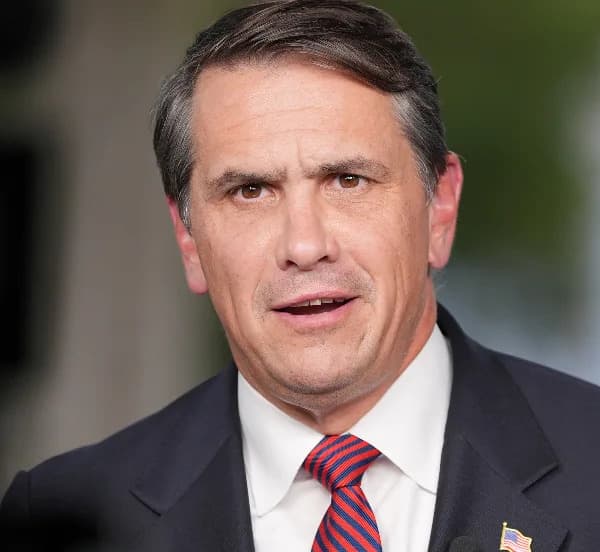
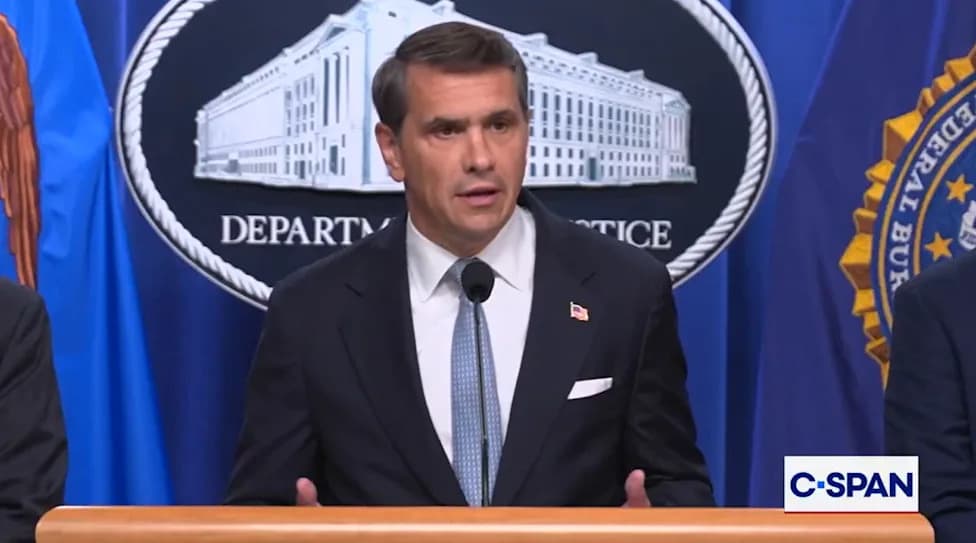
The Department of Justice told a federal court that the proposed $1.776 billion "Anti‑Weaponization Fund" is "not going forward," arguing a lawsuit challenging the plan is moot. DOJ attorney Andrew Block asked a judge to deny an injunction request, saying plaintiffs lack standing and there is no live controversy. Acting AG Todd Blanche told Congress the department is not pursuing the fund but would not confirm that in writing, while President Trump expressed uncertainty and continued support for compensating some Jan. 6 participants.
DOJ Says $1.776B 'Anti‑Weaponization Fund' Is "Not Going Forward," Urges Court To Dismiss Lawsuit
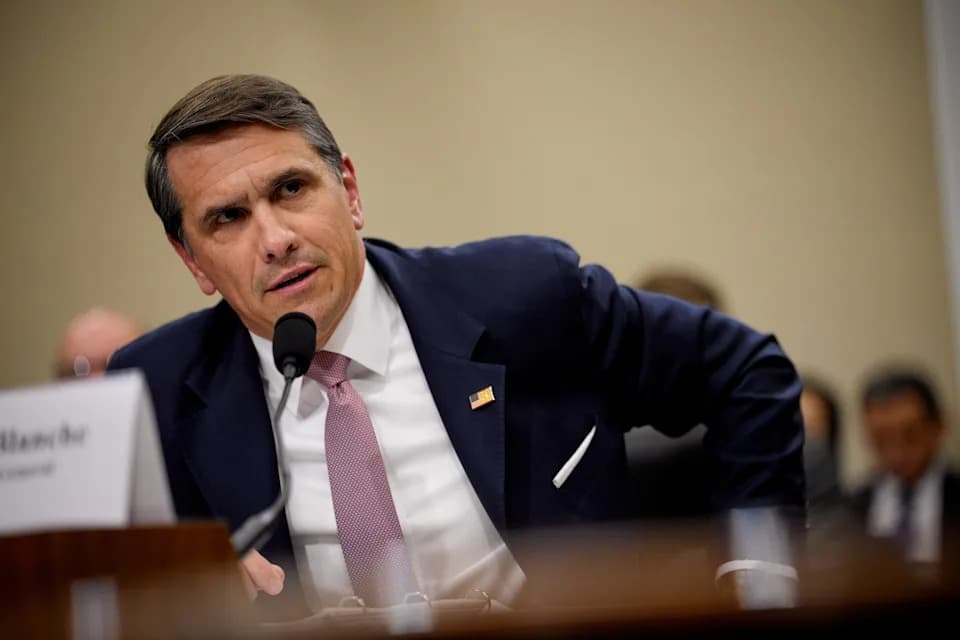
Andrew Harnik/Getty Images - PHOTO: Acting Attorney General Todd Blanche appears during a House Committee on Appropriations, Subcommittee on Commerce, Justice, Science, and Related Agencies hearing in the Rayburn House Office Building, June 2, 2026, in Washington, D.C.
The Department of Justice told a federal court on Friday that the proposed $1.776 billion "Anti‑Weaponization Fund" is "not moving forward," and argued that a lawsuit challenging the fund is therefore moot.
In a filing, Andrew Block, senior counsel to the Associate Attorney General, asked the judge to deny a plaintiffs' request for an injunction because the fund "has not been set up and is now not going forward." The plaintiffs had sought to block transfers into the fund; a judge last week issued a temporary order preventing any money from being moved while the litigation proceeds.
Background
The fund was announced last month as a mechanism to compensate people who say they were improperly targeted during the Biden administration. The proposal was linked to an agreement in which President Donald Trump would drop a $10 billion lawsuit against the IRS and two civil claims totaling $230 million related to the Russia-collusion probe and the 2022 Mar‑a‑Lago search. Critics from both parties accused the plan of creating the appearance of self‑dealing and of using taxpayer dollars to compensate political allies, including some individuals involved in the Jan. 6, 2021, Capitol attack.
Legal Argument And Reactions
Block contended that, because the fund is not being established, there is no longer a live controversy to sustain the lawsuit. He further argued that the plaintiffs lack standing and that additional injunctive relief is unnecessary.
"The equities and the public interest do not favor this Court interjecting itself in a political process to shut down a Fund that is already not going forward. As noted above, the Fund has been the subject of vigorous public debate. That process may seem messy. But the push-and-pull of such debate is a feature of our constitutional republic," Block wrote.
Acting Attorney General Todd Blanche told a House Appropriations subcommittee earlier in the week that the Justice Department is not "moving forward with the fund," though he declined to provide that assurance in writing. President Trump later told reporters that he was unsure whether the fund was dead and reiterated his view that people involved in Jan. 6 should be eligible for compensation.
The so‑called "anti‑weaponization fund" has prompted at least four federal lawsuits seeking to halt its creation. The controversy has included public debate inside the Justice Department — including reports that a senior official deleted a post proposing alternate approaches to compensating alleged victims of government "weaponization."
What Comes Next
The court will decide whether the plaintiffs have standing and whether the case remains justiciable now that DOJ says the fund is not proceeding. If the judge accepts DOJ's position, the lawsuit could be dismissed as moot; if not, litigation will continue while the temporary transfer ban remains in place.
Help us improve.