Europe's energy crunch has shifted from an economic problem to a public‑health emergency as power and gas prices hit record highs before winter. Vulnerable groups — low‑income households and elderly rural residents — face dangerous trade‑offs between heating and mobility, while hospitals, ambulances and supply chains are stretched. The crisis stems from long‑term policy choices and market vulnerabilities, and requires urgent action to stabilise prices, diversify supply and protect at‑risk households.
Europe's Energy Crisis Has Become a Public‑Health Emergency — Vulnerable Households Are Suffering
Europe's Energy Crisis Has Moved Past Economics — The Human Cost Is Starting to Show
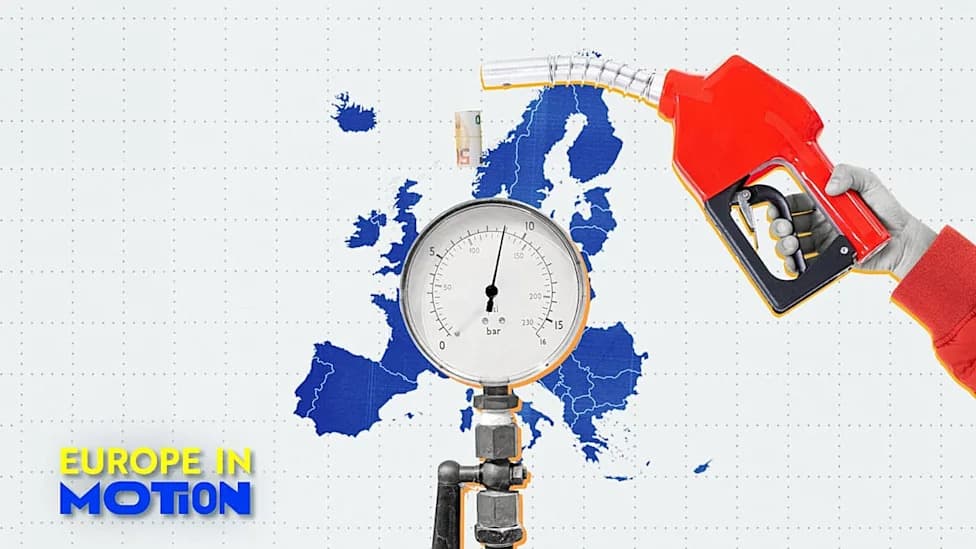
Europe's energy crunch has rapidly shifted from an economic story into a public‑health crisis as electricity and natural gas reach record prices ahead of the cold season. For many households the consequences are immediate: choices between heating and mobility are becoming life‑threatening, and the downstream strain on essential services is growing.
Households and Personal Mobility
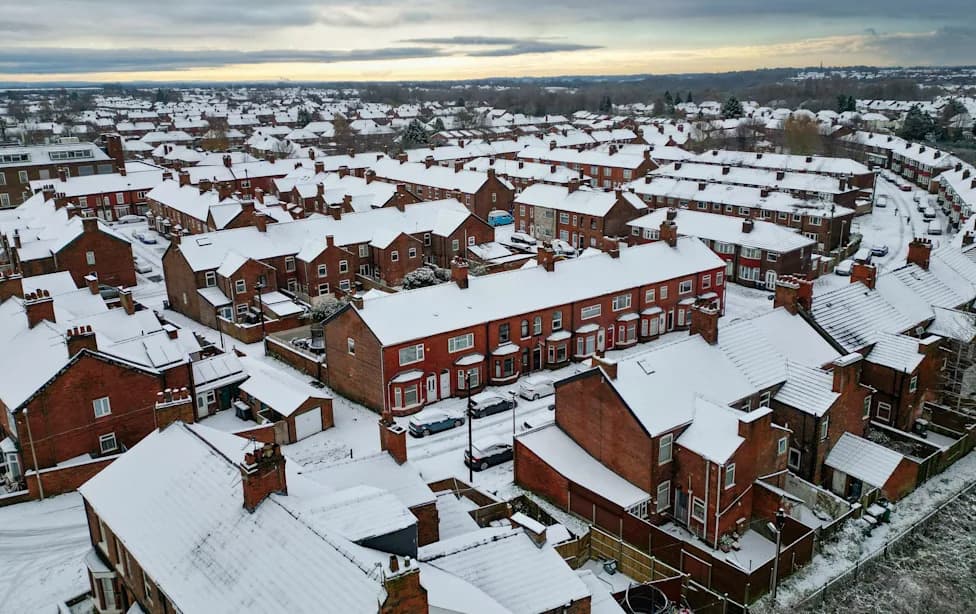
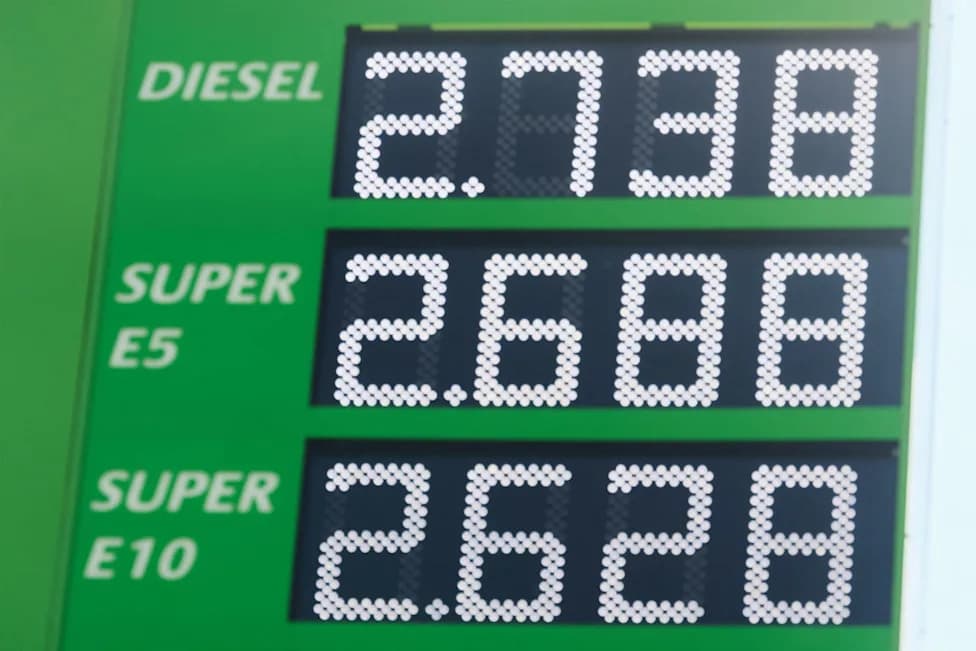
Heating fuel and vehicle fuel now compete directly in household budgets. For low‑income families and pensioners on fixed incomes — particularly in rural areas with limited public transport — the decision to turn down the thermostat or drive less can mean missed medical appointments, social isolation and increased risk of hypothermia and other cold‑related illnesses.
Health Services and Emergency Response
Hospitals, ambulance services and non‑emergency patient transports all depend on reliable vehicle fleets. Rising fuel bills tighten operating budgets and reduce flexibility, slowing response times and increasing risks for patients who need timely care. These pressures compound existing staff and capacity challenges in health systems across the region.
Supply Chains and Food Security
Energy volatility raises the cost and reduces the reliability of food distribution, agricultural operations and other critical supply chains. When fuel prices spike, logistics margins are squeezed, deliveries are delayed, and the price of essential goods can rise — hitting the same vulnerable households already struggling to keep warm.
Policy Choices and Systemic Vulnerabilities
These outcomes are the result of decisions made over years: rapid disinvestment in some fossil‑fuel capacities, dependence on single‑source natural‑gas supplies, and optimistic expectations that intermittent renewables would always bridge gaps. These were policy choices, not inevitabilities.
Implications For The Automotive Transition
The shift to electric vehicles (EVs) rests partly on the assumption that electricity will be cheaper and more stable than liquid fuels. When power prices are volatile, that economic case is weakened in the short term. More importantly, personal mobility — whether powered by electricity or petrol — is essential for many people. Energy policy that treats transport as a luxury to be rationed will produce clear human costs.
What Needs To Be Done
Policymakers and industry leaders must integrate social and health impacts into energy and transport planning. Priorities should include stabilising prices through diversified supply and strategic reserves, targeted financial support for the most affected households, guarantees for critical health and emergency services, and ramped‑up investment in flexible, dispatchable power and energy efficiency for homes.
Addressing these problems will require coordinated action across governments, utilities and the private sector to prevent avoidable illness and hardship as winter approaches. Subscribe to our newsletter for ongoing coverage and policy analysis.
Help us improve.