The Ninth Circuit held that FMCSA Hours-Of-Service regulations preempt California's meal and rest break requirements for bus drivers. Relying on a 2018 FMCSA finding and the 2021 Teamsters precedent, the court concluded federal HOS rules govern duty and off-duty timing for passenger-carrying drivers. The opinion also found California's MRB rules would impose significant operational burdens on bus operations.
Ninth Circuit: Federal HOS Rules Preempt California Meal and Rest Breaks For Bus Drivers
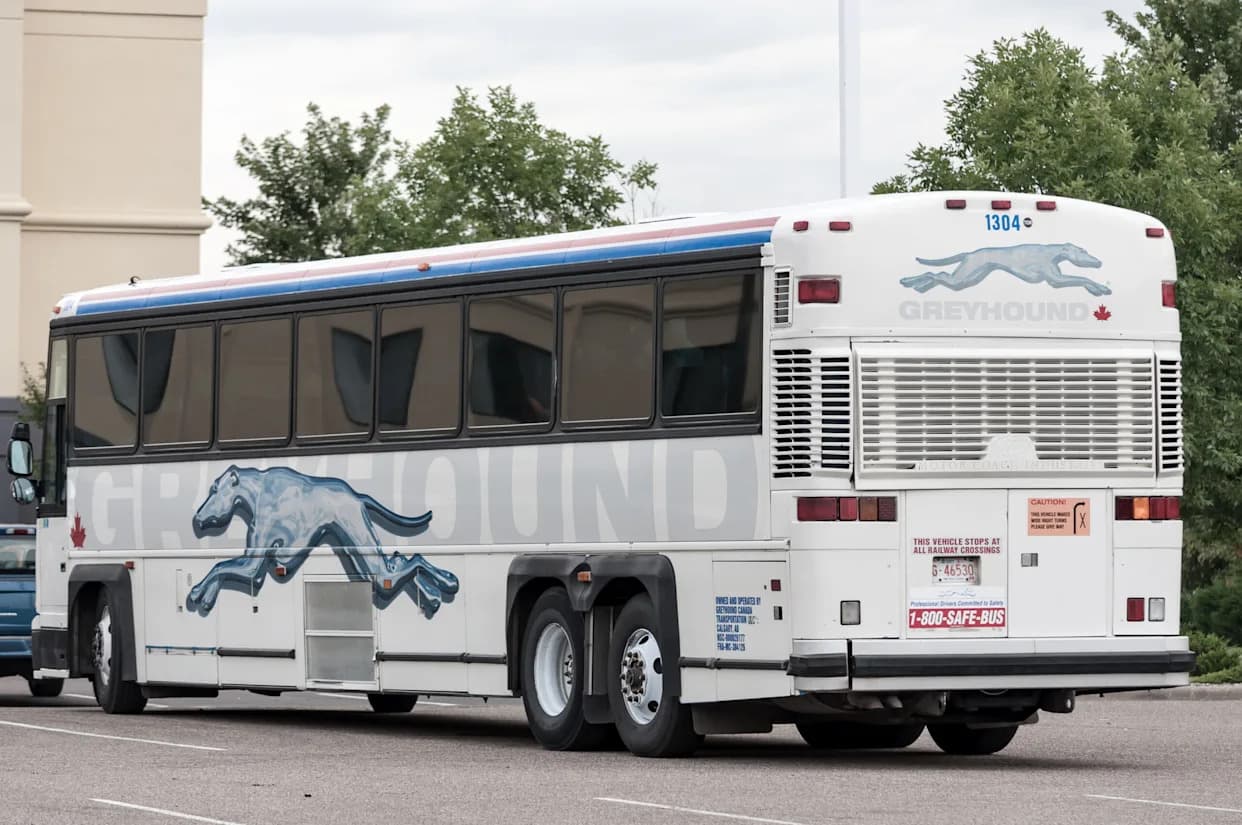
A federal court has knocked down California HOS-related rules that impact bus drivers. (Photo: Shutterstock)
California's bid to impose state meal and rest breaks on bus drivers has been rebuffed by the Ninth Circuit Court of Appeals. The court held that the Federal Motor Carrier Safety Administration's (FMCSA) Hours-Of-Service (HOS) regulations for passenger-carrying commercial motor vehicle drivers preempt California's meal and rest break (MRB) requirements for bus operators.
How Federal And State Rules Differ
Federal HOS rules for passenger-carrying drivers differ from those that govern truck drivers. Under federal rules a passenger-carrying commercial motor vehicle driver is limited to no more than 10 consecutive hours of driving and a 15-hour maximum on-duty period. By contrast, HOS rules for many truck drivers allow up to 14 hours on duty, with as many as 11 driving hours and a rule that a driver may not drive more than eight consecutive hours without a 30-minute break.
The California Rule And The Court's Reasoning
The California regulation at issue requires that an employee working more than five hours be provided a meal period of not less than 30 minutes, and the law can also mandate a second meal break and 10-minute rest periods. California argued these MRB requirements do not conflict with federal HOS standards because federal rules do not expressly require a mid-shift break for passenger-carrying drivers.
The Ninth Circuit disagreed. It relied on a prior 2021 decision in the Teamsters litigation and on FMCSA's 2018 finding that federal HOS rules preempted California's truck-driver MRB rules. The court explained that even if federal HOS regulations do not specifically mandate a mid-shift break for bus drivers, they still prescribe how long drivers may remain on duty before off-duty time is required, and that state MRB rules would conflict with that federal scheme.
Operational Burden And Administrative Record
The court also concluded California's MRB rules would impose a significant operational burden on passenger-carrying operations. The administrative record, the opinion said, included extensive commentary describing the rules as disruptive and costly and identified difficulties in maintaining scheduled operations if the state rules applied.
Implications
Because the State of California was the petitioner in this case, the decision represents a direct rebuff of state regulatory efforts to layer MRB requirements onto federally regulated HOS standards for bus operators. Transit agencies, private bus carriers, and labor advocates will likely weigh the ruling's operational and labor implications. The decision follows the established federal preemption line on HOS and may limit future state-level efforts to impose additional scheduling mandates on passenger-carrying commercial drivers.
Help us improve.