This article identifies six U.S. states where fewer than half of adults say global warming is caused mostly by human activities, based on Yale Climate Opinion Maps 2024. Belief in human-driven warming in these states ranges from 49.6% (Kentucky) to 43.3% (West Virginia). Most of the states rely more heavily than the national average on higher-emitting fuels—especially coal—suggesting regional energy economies may shape public opinion. Data sources include the Yale Program on Climate Change Communication and the U.S. Energy Information Administration.
Where Doubt Persists: 6 U.S. States With Fewer Than Half Saying Humans Mainly Drive Climate Change
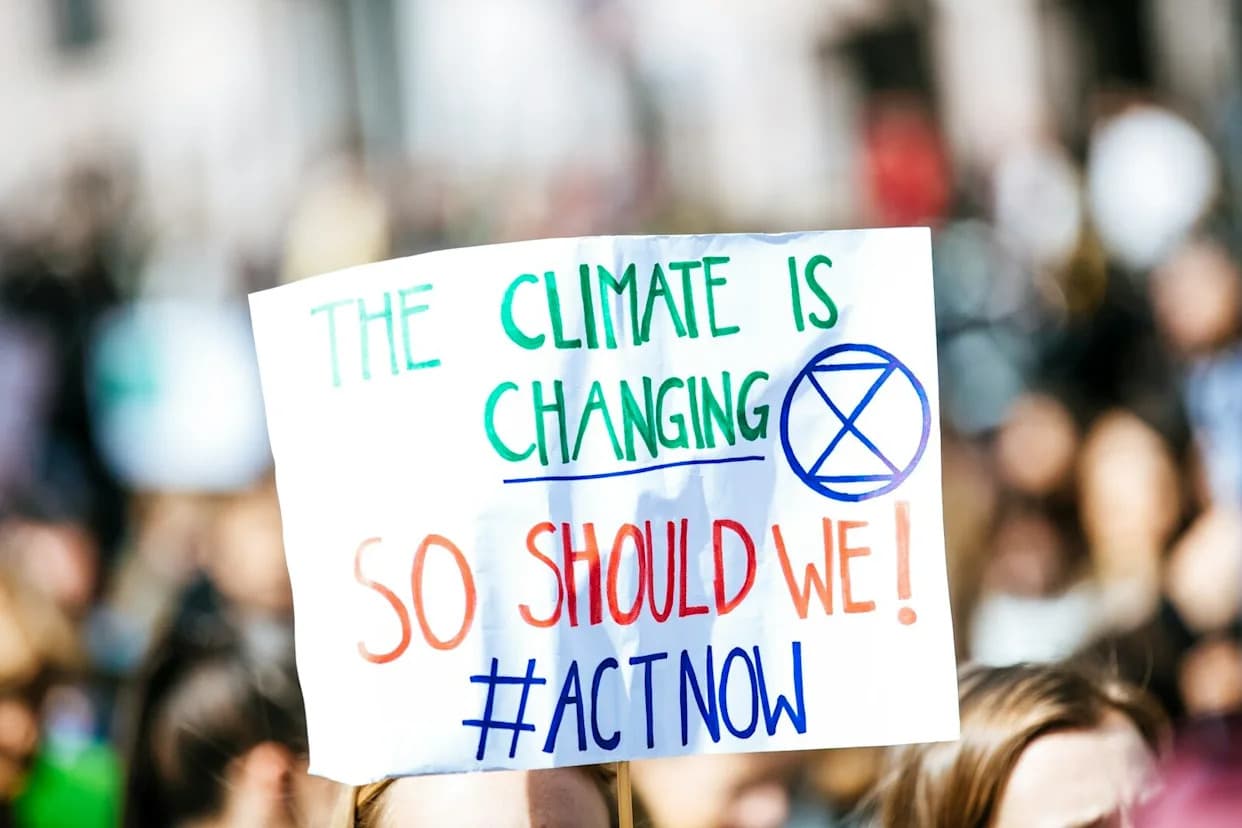
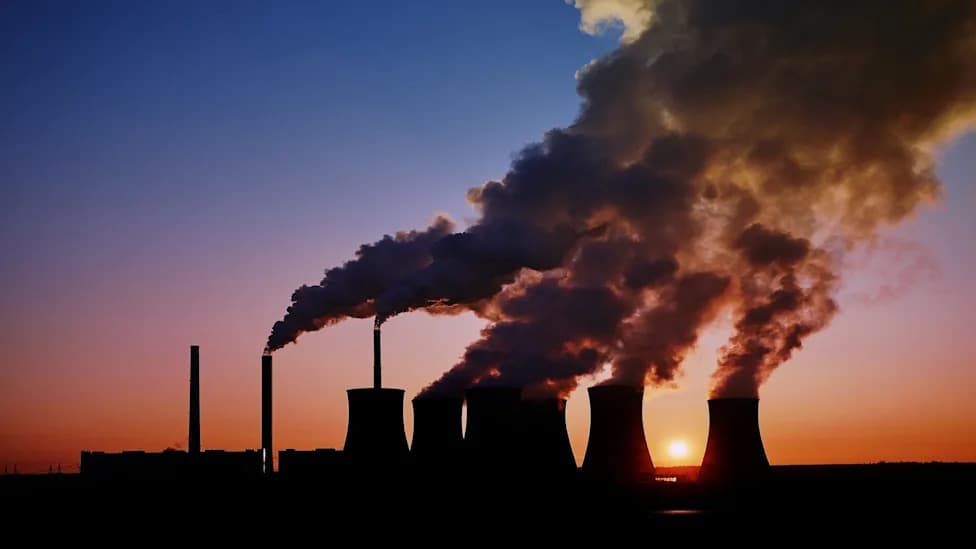
Photo by Markus Spiske on Unsplash
Since the Industrial Revolution, greenhouse gas emissions from human activities—chiefly carbon dioxide and methane—have risen sharply. These gases accumulate in the atmosphere, trap additional heat and contribute to a warming planet. The U.S. Environmental Protection Agency reports atmospheric greenhouse gas concentrations are higher now than at any time in at least the past 800,000 years, and scientific consensus estimates the probability that human-driven pollution is the principal cause of recent warming at over 95%.
Despite this strong scientific agreement, public opinion varies widely across the United States. A 2024 survey by the Yale Program on Climate Change Communication (YPCCC) found that roughly 59% of U.S. adults say global warming is caused mostly by human activities. In several states, however, fewer than half of adults hold that view.
This report uses the YPCCC's Yale Climate Opinion Maps 2024 and energy data from the U.S. Energy Information Administration (EIA) to identify and profile the six states where under 50% of adults say humans are mainly responsible for global warming. The states are listed from the highest to lowest share of adults who do believe human activity is the main driver. The Yale Program on Climate Change Communication provided the data; analyses and interpretation here are by Climate Crisis 247.

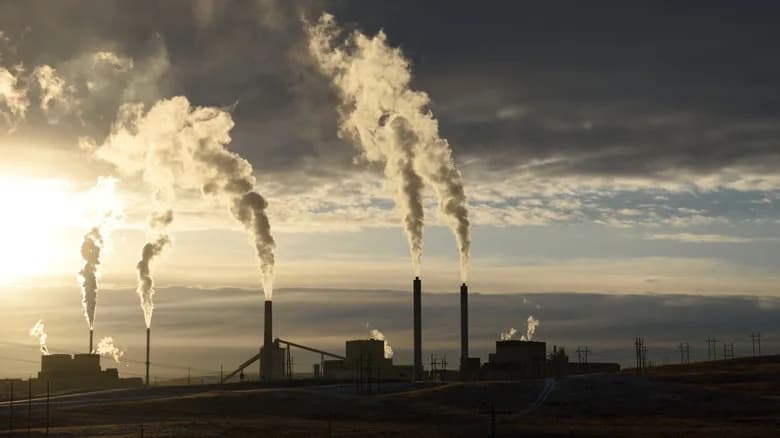
Photo byTasos NikonPexels
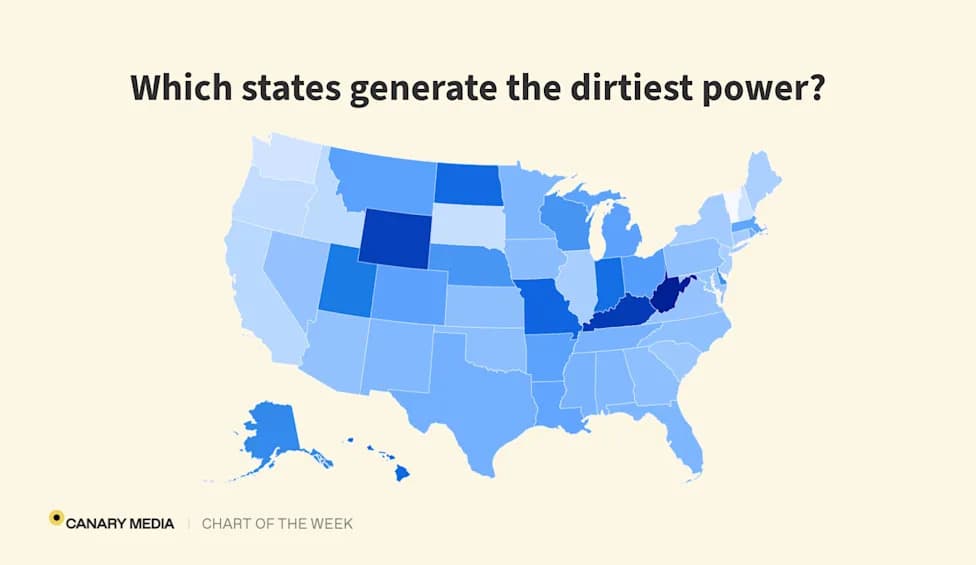
Key pattern: These six states rely more heavily than the national average on higher-emitting energy sources, especially coal. Nationally, coal supplies about 9% of total energy consumption; in five of the six states below, coal represents 15.6%–50.1% of energy use according to the EIA.
6. Kentucky
Estimated Share Who Say Humans Mostly Cause Warming: 49.6%
Largest Power Source: Coal (31.8% of energy consumption)
Second Largest: Natural Gas (24.5%)
Adult Population: 3,487,980
5. Louisiana
Estimated Share Who Say Humans Mostly Cause Warming: 49.4%
Largest Power Source: Natural Gas (51.3%)
Second Largest: Hydrocarbon Gas Liquids (15.0%)
Adult Population: 3,532,365
4. Arkansas
Estimated Share Who Say Humans Mostly Cause Warming: 49.3%
Largest Power Source: Natural Gas (34.6%)
Second Largest: Coal (15.6%)
Adult Population: 2,326,772
3. North Dakota
Estimated Share Who Say Humans Mostly Cause Warming: 45.7%
Largest Power Source: Coal (40.2%)
Second Largest: Natural Gas (27.3%)
Adult Population: 594,567
2. Wyoming
Estimated Share Who Say Humans Mostly Cause Warming: 43.4%
Largest Power Source: Coal (50.1%)
Second Largest: Natural Gas (24.8%)
Adult Population: 447,401
1. West Virginia
Estimated Share Who Say Humans Mostly Cause Warming: 43.3%
Largest Power Source: Coal (46.4%)
Second Largest: Natural Gas (30.3%)
Adult Population: 1,425,052
What This Means
Regional differences in energy mix, local economies and political attitudes help explain why belief in human-caused climate change differs across states. Areas with larger coal and fossil-fuel industries may have stronger economic and cultural ties to those sectors, which can influence public perceptions. The data highlight a persistent gap between scientific consensus and public opinion in certain parts of the country.
Methodology note: Percentages of adults who attribute global warming mostly to human activity come from Yale Climate Opinion Maps 2024. Energy-source shares and consumption figures are drawn from the U.S. Energy Information Administration. The Yale Program on Climate Change Communication provided the underlying data; the ranking and interpretation here are the responsibility of Climate Crisis 247.
Help us improve.