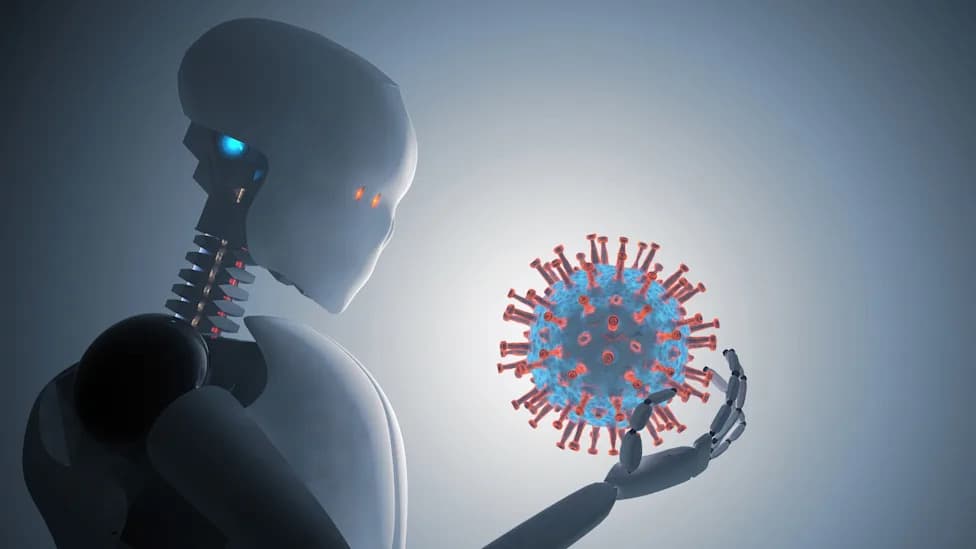
The University of Cambridge used artificial intelligence to design a synthetic "super-antigen" aimed at protecting across the coronavirus family. The AI-designed antigen is the first of its kind to be tested in humans, with an initial safety trial of 39 volunteers and a planned follow-up of about 200. Early results reported a modest immune response, but experts say the approach is promising and may accelerate development of broad, pandemic-preventing vaccines.
AI-Designed 'Super-Antigen' — World-First Vaccine Component Tested In Humans

[Getty Images]
Researchers at the University of Cambridge have used artificial intelligence to design a novel vaccine antigen intended to provide broad protection across the coronavirus family. The AI-crafted "super-antigen" is the first vaccine component designed entirely by machine learning to be tested in people.
The Cambridge team analysed genetic sequences from a wide range of coronaviruses collected by surveillance programmes. An AI system processed those sequences and generated a synthetic antigen intended to teach the immune system to recognise features shared across many coronaviruses — including variants of SARS-CoV-2 and coronaviruses circulating in animals that could spill over into humans and spark future outbreaks.
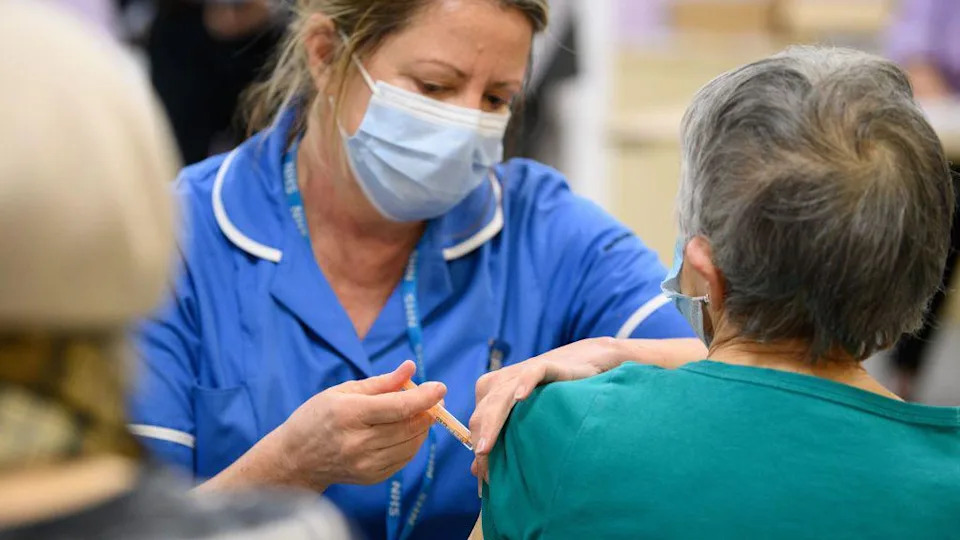
Vaccines played a crucial role in the pandemic, but needed to be designed from scratch and then updated as the virus mutated [Getty Images]
Early Human Testing And Next Steps
The initial human trial involved 39 volunteers and was designed to assess safety. Results reported in the Journal of Infections described the immune response observed so far as "modest," and a larger follow-up study of about 200 participants is planned to evaluate how effectively the candidate trains the immune system.
Why This Matters
Traditional vaccines are typically based on a current circulating strain and can lose effectiveness as viruses mutate. The AI approach aims to "get ahead of the curve" by designing antigens that elicit cross-protective immunity across a viral family, potentially reducing the need for frequent updates and improving preparedness for future pandemics.
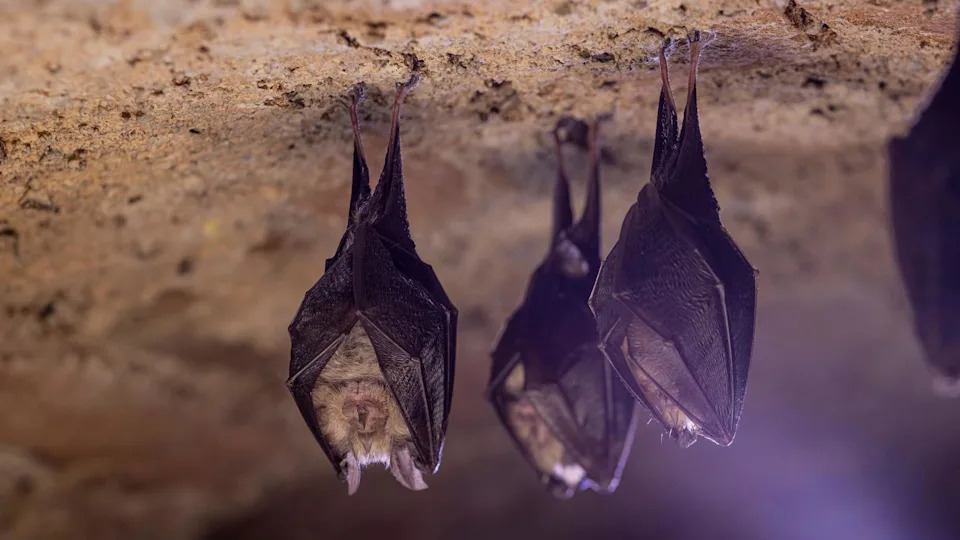
Bats are one source of coronaviruses [Getty Images]
Prof Jonathan Heeney (University of Cambridge): "This is about making vaccines that protect us, not just from today's viruses, but from what can cause the next outbreak or disease. This is a fundamental shift in how we prepare for pandemics."
Independent experts welcomed the innovation while urging caution. Prof Saul Faust (University of Southampton), who helped run some trial sites, called the approach "promising" and "really exciting." Prof Andy Pollard (Oxford Vaccine Group) described the animal data as compelling but reminded readers that human immune systems are shaped by decades of prior infections and require careful assessment.
Broader Programme
Cambridge researchers are already applying the same AI-driven design method to develop candidates for seasonal influenza that might not require annual reformulation, an H5N1 bird-flu vaccine in case that virus acquires widespread human transmissibility, and vaccines for viral haemorrhagic fevers such as Ebola. Some of this work remains at the animal-research stage.
While the first-in-human data are preliminary, the study demonstrates a new pathway for vaccine design. If further trials show stronger, durable immune responses, AI-designed antigens could become an important tool in preventing and preparing for future pandemics.
Help us improve.