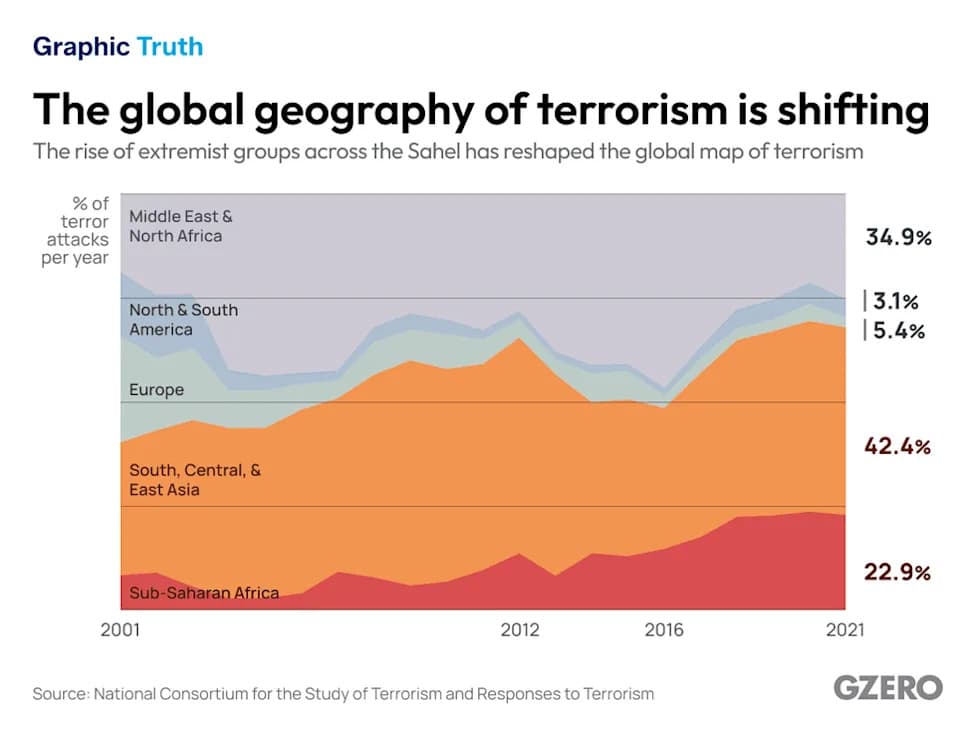
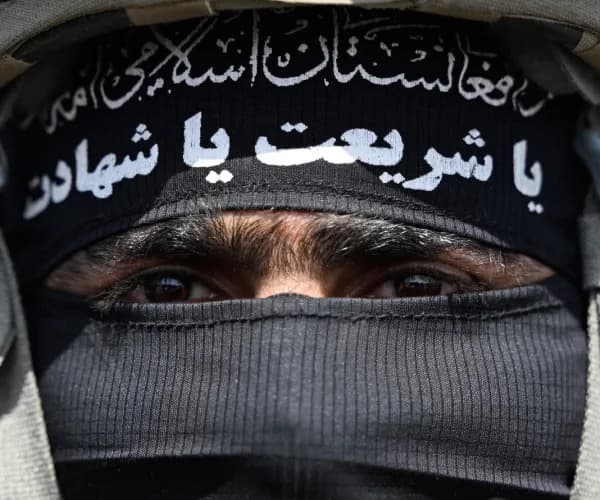
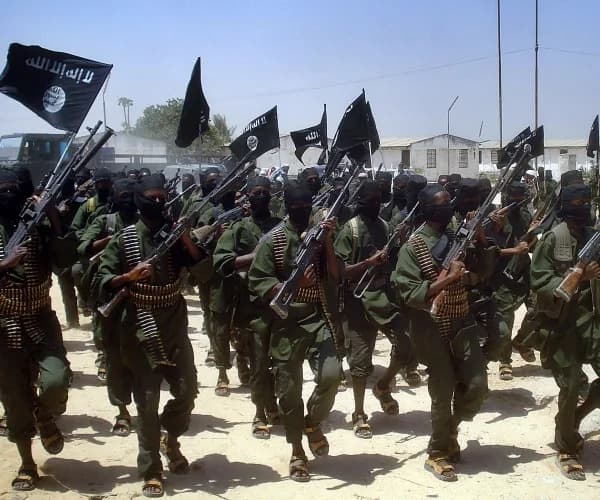
CSIS’s Global Terrorism Threat Assessment 2026 warns that jihadist groups across Africa are growing stronger, aided by larger forces, more funding and the increasing use of drones and AI. The report identifies Al Shabaab as the continent’s most capable group, while ACLED data shows nearly 80% of ISIS activity in early 2025 occurred in Africa — up about 50% year-on-year. Analysts caution that a roughly 75% reduction in U.S. forces has created intelligence gaps that complicate counterterrorism responses.
Jihadist Networks Gain Ground Across Africa as U.S. Military Footprint Shrinks, CSIS Warns
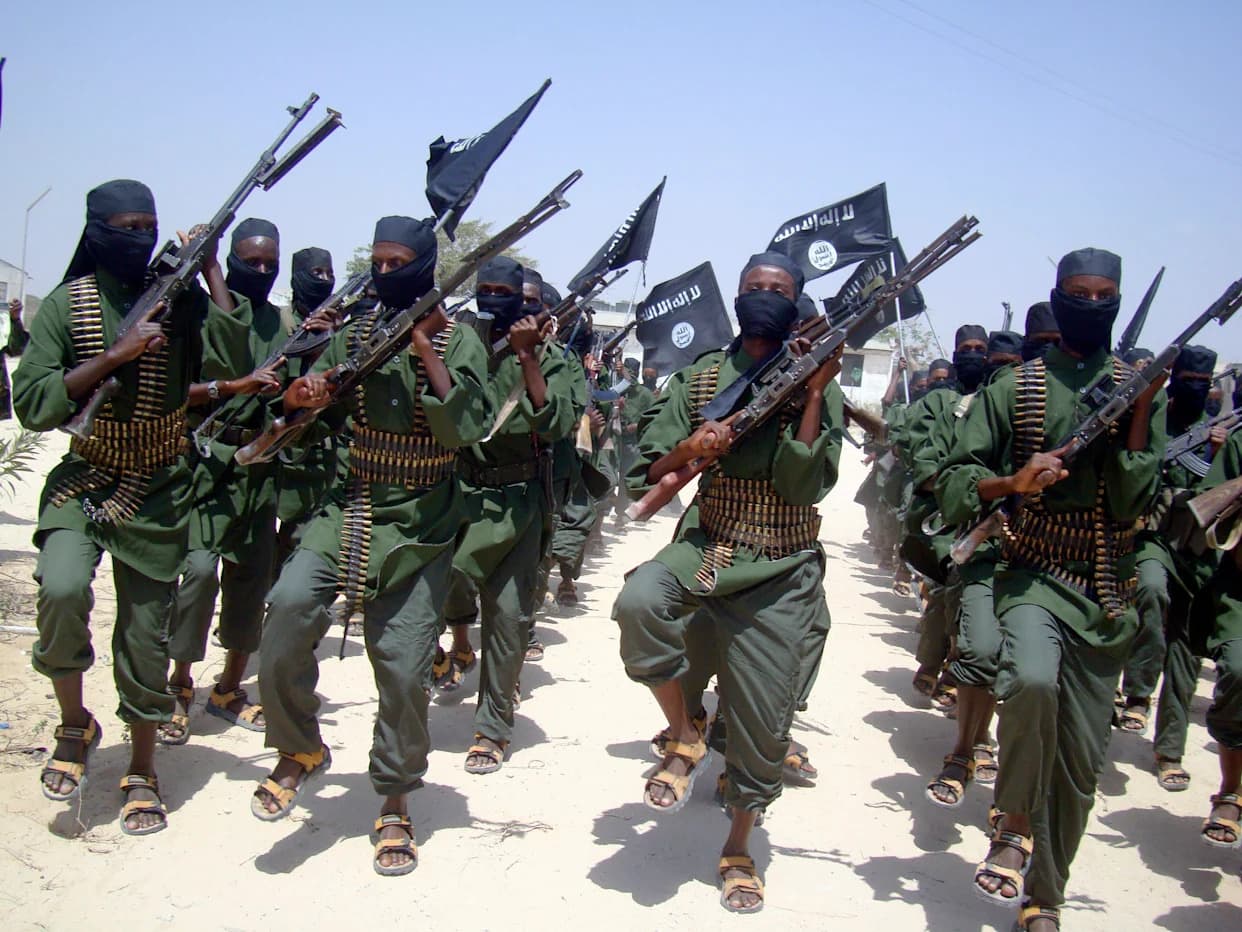
In this Thursday, Feb. 17, 2011 file photo, al-Shabab fighters march with their weapons during military exercises on the outskirts of Mogadishu, Somalia. (AP Photo/Mohamed Sheikh Nor, File)(Mohamed Sheikh Nor)
The Center for Strategic and International Studies (CSIS) warns in its Global Terrorism Threat Assessment 2026 that jihadist fronts are expanding across Africa — from the Horn to the Sahel — and gaining strength through improved finances, larger forces and new technologies.
Key Findings
Rising Capabilities: CSIS highlights that al-Qaida and Islamic State affiliates in Africa have grown more capable and mobile, operating across wide swaths of territory with greater reach and resources.
Technology and Tactics: Many groups are exploiting unmanned aerial systems (UAS/drones) and advances in artificial intelligence to improve reconnaissance, targeting and remote coordination.
"These new capabilities unlock new forms of operation, facilitation, and inspiration for international terrorists...the future of how terrorists and counterterrorists will act against each other is increasingly unclear." — CSIS
Al Shabaab: The Somalia-based al-Qaida affiliate is identified as Africa’s most capable — and likely largest — terrorist organization, with the clearest demonstrated intent to target U.S. interests, though CSIS judges an immediate mass-casualty attack on the U.S. homeland to be unlikely given the group’s regional focus.
ISIS Activity Concentrated in Africa: Data from ACLED shows that nearly 80% of recorded ISIS activity during the first 11 months of 2025 occurred on the African continent, a roughly 50% increase year-on-year.
ISWAP’s Growing Role: The Islamic State West Africa Province (ISWAP) in the Sahel is expanding as a regional hub for intelligence, logistics and operational coordination among Islamic State branches. CSIS reports that ISWAP has benefited from external trainers helping to develop UAS capabilities, advanced explosive assembly, and battlefield tactics.
U.S. Force Reductions and Intelligence Gaps: These trends coincide with a significant reduction in U.S. military presence in Africa — roughly 75% fewer personnel — which Gen. Dagvin Anderson, commander of U.S. Africa Command (AFRICOM), says has created an "intelligence black hole" and constrained the command’s ability to respond to crises. U.S. efforts remain concentrated on Somalia and Nigeria, including air and drone strikes and limited training deployments.
Implications
The report underscores deep uncertainty: expanding militant capabilities, technological adoption, and reduced on-the-ground intelligence complicate counterterrorism planning. Policymakers and partners face the urgent challenge of adapting strategies and technology to close intelligence gaps and limit militants’ ability to coordinate regionally.
Help us improve.