The Trump administration’s MFN push pairs a CMS Medicaid demonstration (GENEROUS) with a consumer portal (TrumpRx) and confidential deals with 17 drugmakers. A White House estimate projects about $64 billion in ten-year savings, but assumptions and targeted drugs remain undisclosed. Practical limits—such as indexing hurdles for new launches, unchanged list-price incentives, and limited international cooperation—mean the initiative’s real-world impact on affordability may be modest.
Trump’s MFN Drug-Pricing Push: Ambitious Goals, Limited Real-World Impact

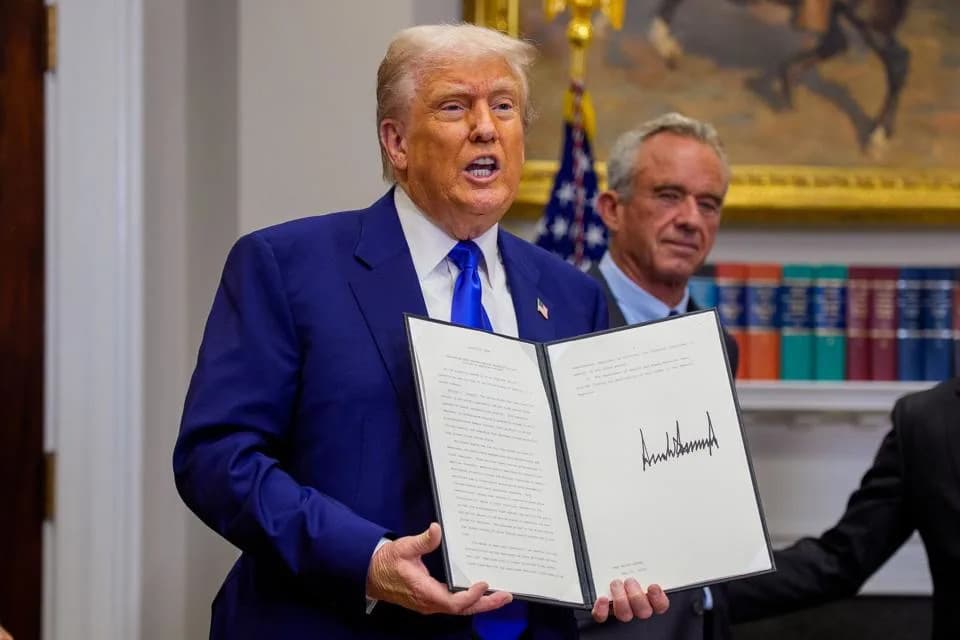
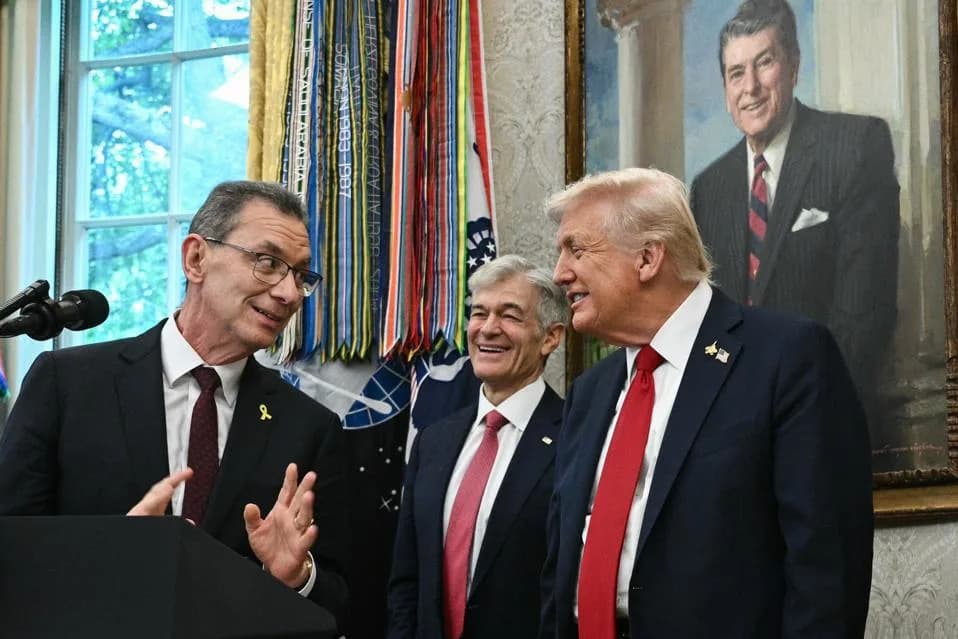
WASHINGTON, DC - NOV. 6, 2025: U.S. President Donald Trump, joined by members of the pharmaceutical industry and administration officials, takes questions from reporters as he delivers remarks on lowering drug prices in the Oval Office at the White House. Trump announced that his administration has reached agreements with drugmakers Eli Lilly and Novo Nordisk that would lower the prices of several GLP-1 weight loss medications to align with what's being paid for the products by other wealthy nations. (Photo by Andrew Harnik/Getty Images)Getty Images
Most Favored Nation (MFN) drug-pricing measures advanced by the Trump administration seek to narrow the gap between U.S. prescription drug prices and those paid in other high-income countries. The program combines a Medicaid demonstration called GENEROUS and a public portal, TrumpRx, together with confidential agreements struck with major manufacturers. While the initiative sets out bold goals to lower costs, key details are opaque and its practical effects appear constrained.
How The Plan Is Structured
The administration negotiated confidential agreements with 17 large pharmaceutical companies, offering a three-year reprieve from threatened tariffs in return for price commitments. For public programs, CMS designed the voluntary GENEROUS (GENErating Cost Reductions fOr U.S. Medicaid) demonstration so state Medicaid programs could access supplemental rebates informed in part by prices paid in comparator countries. Separately, TrumpRx is a federal portal that aggregates discounted cash prices and links to retailers and manufacturer programs.
Projected Savings And Transparency Gaps
The White House released a projection that an MFN framework in Medicaid could save roughly $64 billion over 10 years. However, the administration has not publicly disclosed the assumptions or the list of targeted drugs and discount depths. Those transparency gaps make independent evaluation difficult and raise questions about how much additional savings the negotiated MFN rates would produce given Medicaid’s existing mix of mandatory and supplemental rebates.
Practical And Structural Limits
Critics point out several practical constraints:
Indexing Limits: Constructing an MFN benchmark typically requires a drug to be available in at least two comparator countries, which is often not the case for new U.S. launches.
List-Price Power: The MFN approach does not directly restrict manufacturers’ ability to set high list prices in the U.S., which still matters for patients with coinsurance or those in deductibles.
Deal Duration: Many voluntary manufacturer agreements expire in less than three years while GENEROUS is slated for five years, creating uncertainty about long-term impact.
International Response
MFN depends on cooperation from comparator countries. To date, the United Kingdom is the only country reported to have negotiated a related arrangement with the U.S.—in that case tied to a change in the U.K.’s cost-effectiveness threshold for NHS reimbursement. Most European governments have not agreed to raise domestic prices, and independent corroboration for claims that leaders agreed to higher prices abroad is limited.
TrumpRx: Visible, But Limited
TrumpRx aggregates discount cash prices from manufacturers and third-party services and recently added more than 600 generic drugs. The portal can help uninsured and underinsured consumers find cheaper cash options, but the discounts often are not the lowest available in the U.S. and are frequently not honored at independent and many rural pharmacies—affecting a meaningful share of the population that relies on those local outlets.
What It Means For Patients
Longstanding evidence shows U.S. list prices are substantially higher than in peer nations. A recent AARP analysis found the 25 top-selling brand-name drugs rose by an average of ~81% in the U.S. while falling about 13% in comparable countries. Because patient cost-sharing is often tied to list price, high U.S. list prices still translate into affordability problems for Medicare beneficiaries and commercially insured people in deductible or coinsurance phases.
Conclusion
The administration’s two-pronged MFN effort—anchoring some Medicaid prices to peer-nation rates and offering a public-facing discount portal—is ambitious but faces real limitations: confidential deal terms, structural features of U.S. rebate systems, international cooperation challenges, and constrained consumer benefits. Those factors suggest the policy may yield modest savings and uncertain long-term effects on U.S. drug affordability unless transparency and structural reforms accompany it.
Help us improve.