CMS has issued interim guidance requiring Medicaid beneficiaries to work at least 80 hours per month to remain eligible in participating programs, with the rule effective Jan. 1, 2027. States must verify eligibility at least every six months, and self-attestation is permitted through 2027; beginning in 2028, documentation will generally be required. Exemptions include pregnancy, postpartum care, disability and medical frailty; SNAP work-compliant beneficiaries are also exempt. The federal government will provide $200 million in grants to help states implement the changes.
CMS Issues Interim Guidance On Medicaid Work Requirement — 80-Hour Rule Takes Effect Jan. 1, 2027

FILE PHOTO: Administrator for the Centers for Medicare & Medicaid Services Mehmet Oz speaks, after U.S. President Donald Trump signed an executive order about easing restrictions on mental health treatments, including, ibogaine, in the Oval Office of the White House in Washington, D.C., April 18, 2026. REUTERS/Nathan Howard/File Photo
The Centers for Medicare & Medicaid Services (CMS) on Monday released interim guidance for states on implementing new work requirements for Medicaid enrollees, outlining verification procedures, exemptions and a timeline for documentation.
What the Rule Requires
The regulation, adopted last year as part of legislation attached to President Donald Trump's tax and spending package, requires Medicaid beneficiaries to complete a minimum of 80 hours of work per month to remain eligible in participating programs. States must verify enrollee eligibility at least every six months or at plan renewal, though they may conduct checks more frequently.
Timeline and Verification
The rule takes effect on January 1, 2027. CMS officials said Medicaid members may self-attest that they meet the work requirement until the end of 2027; beginning in 2028, enrollees will generally be limited to a single self-attestation and will have to provide documentation supporting their claim.
Medicaid Director Dan Brillman said the agency aims to perform real-time verifications using existing electronic data sources, such as medical claims records, to confirm eligibility and medical exemptions where relevant.
Exemptions and Special Cases
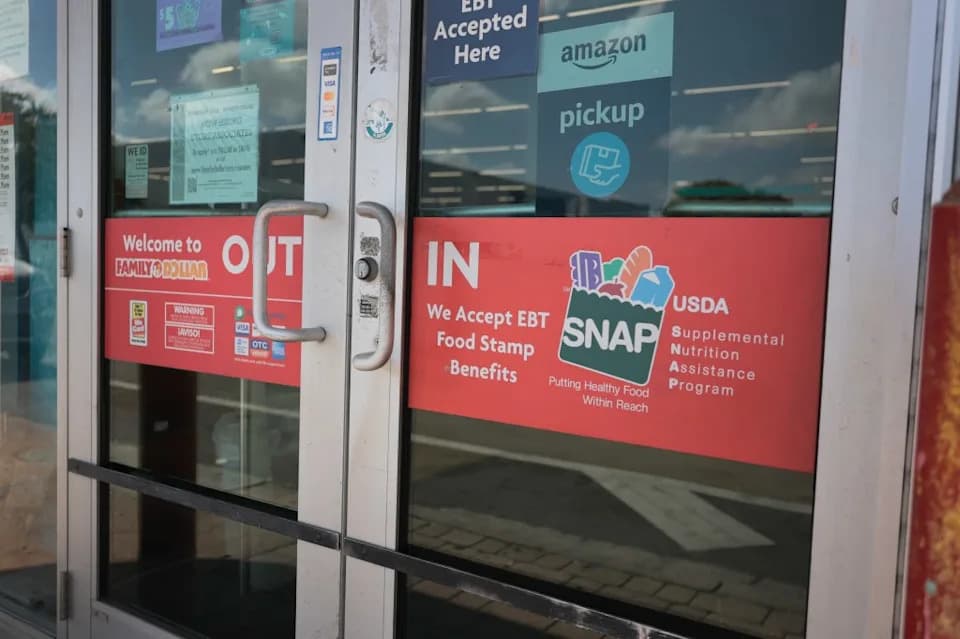
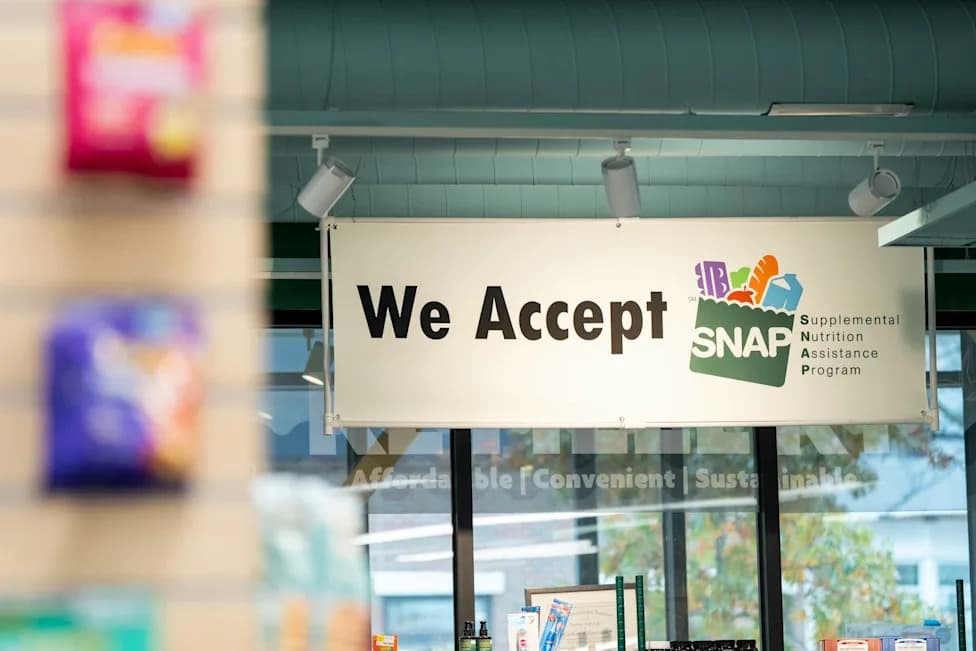
Certain groups are exempt from the work requirement: people who are pregnant or receiving postpartum care, individuals with disabilities, and those judged to be medically frail. Beneficiaries who already meet work requirements applicable under the Supplemental Nutrition Assistance Program (SNAP) are also eligible for exemption.
Funding and Administration
The federal government will provide a combined $200 million in grants to states to support implementation and administrative costs related to verifying enrollee status and building systems for electronic checks.
Reactions
"These folks are crowding out programs that were originally designed for those truly in need," said CMS Administrator Mehmet Oz, adding that the policy is intended to encourage able-bodied recipients to seek employer-sponsored coverage where possible and to "free up critical space in the program for our most vulnerable populations."
U.S. Representative Frank Pallone (D-N.J.) criticized the rule, saying: "People are already struggling to get by as prices on everyday expenses skyrocket, and now millions of Americans will lose their healthcare not because they're not working, but simply because they got buried in paperwork."
Enforcement
CMS warned that false self-attestations will carry consequences. Administrator Oz said the agency will coordinate with enforcement bodies to ensure people understand there are penalties for dishonesty and to preserve program integrity.
Reporting by Amina Niasse in New York; editing by Bill Berkrot.
Help us improve.